China’s recent trade data show a marked reorientation toward Asian neighbors, particularly the ASEAN economies. In January–April 2026, ASEAN became China’s largest export destination, with shipments to the bloc surging by nearly 30% year-on-year. This was far faster growth than to the United States (where higher tariffs have dampened demand). Indeed, Chinese exports to the EU and U.S. in that period were roughly $200.7 billion and $133.4 billion, respectively. Within ASEAN, Singapore, Thailand, Malaysia, and Indonesia took over $50 billion each. The reasons are structural: Chinese makers are increasingly supplying components and machinery to factories in Southeast Asia, which serve both regional and export markets.
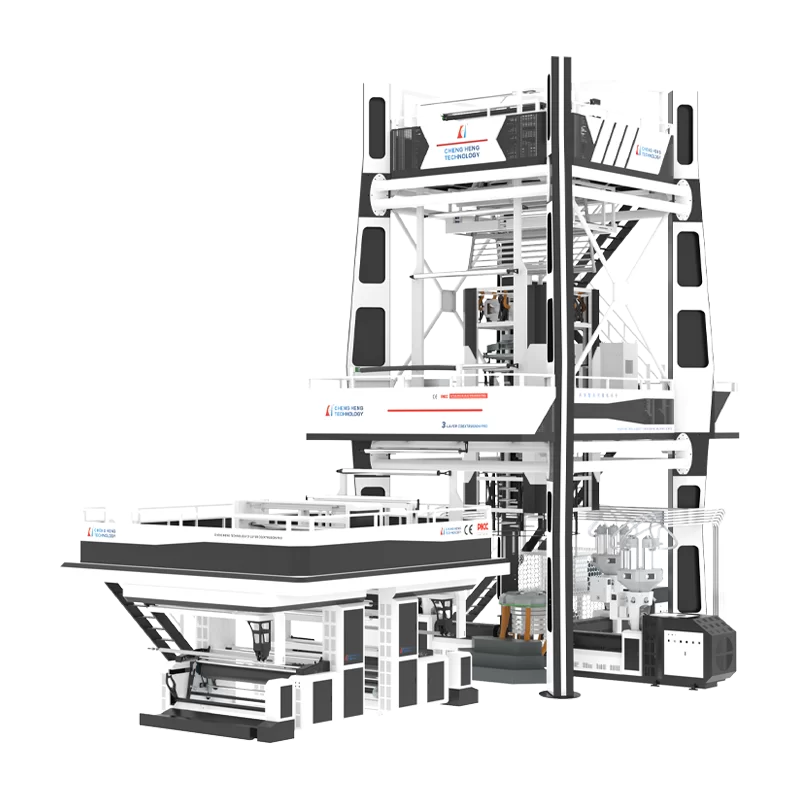
Automated assembly robots in a factory. Chinese manufacturers are investing in ASEAN (Vietnam, Thailand, Indonesia, etc.) to build or expand plants for regional assembly and export, feeding demand for machinery with local content.