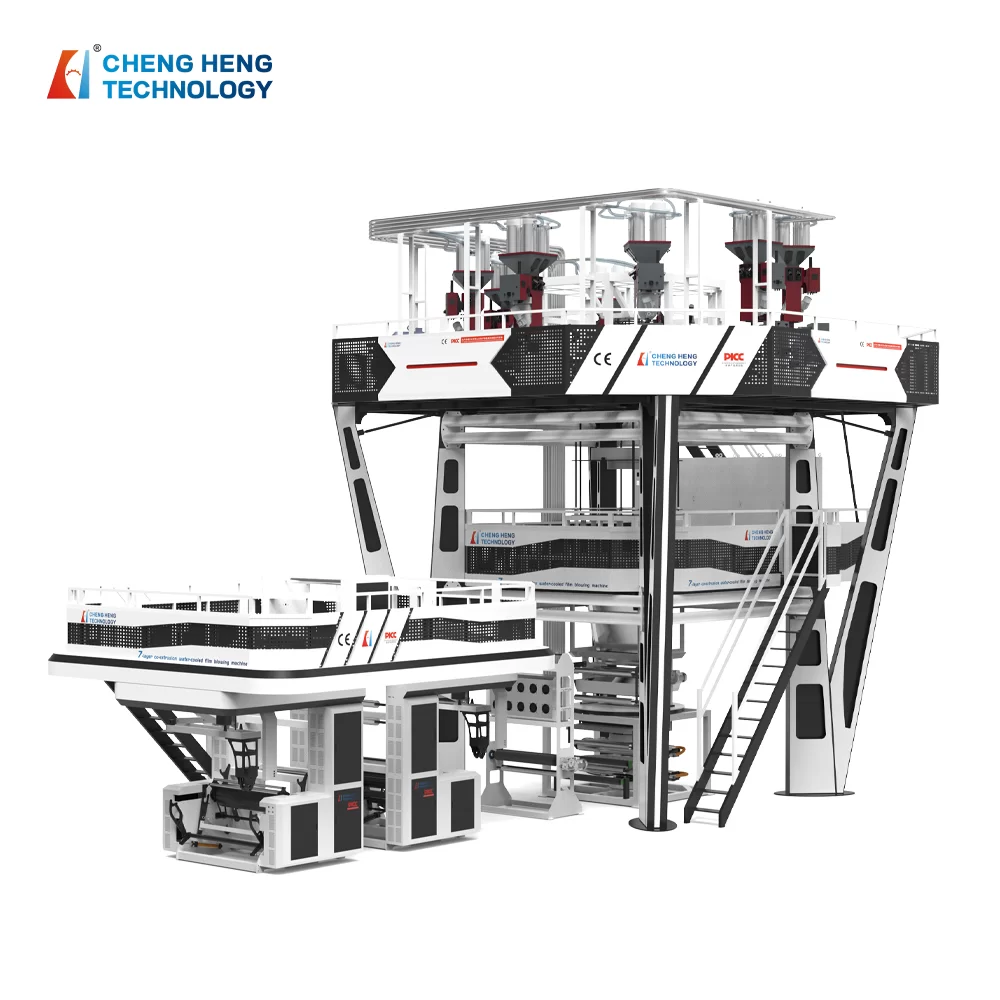
5-9 Layers Co-Extrusion Water-Cooled Blown Film Machine

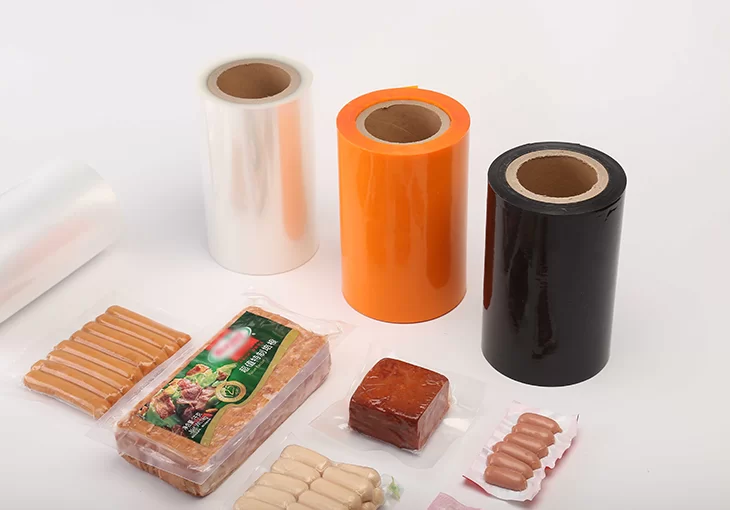
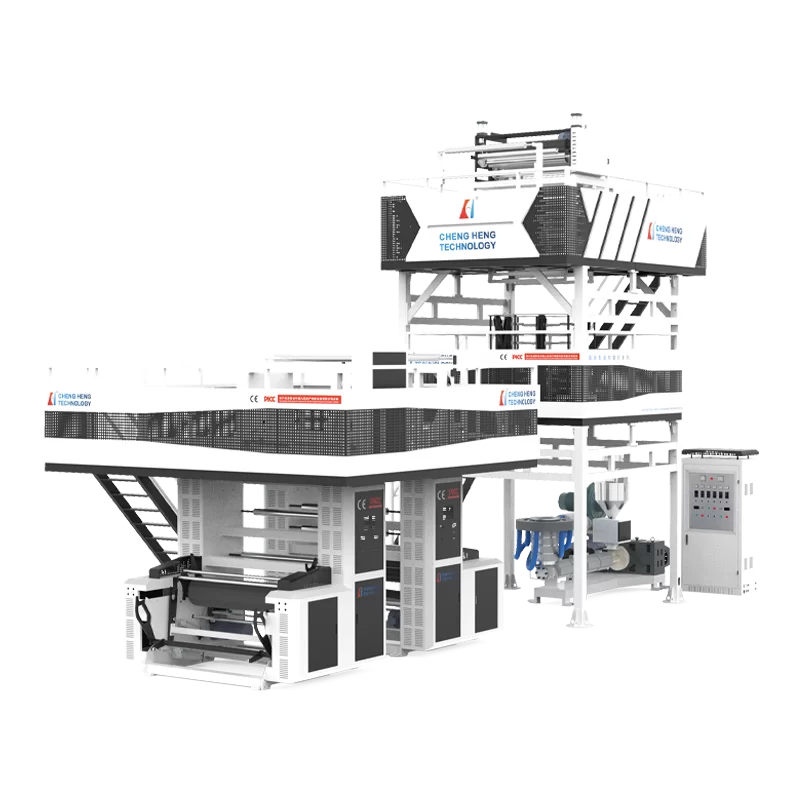
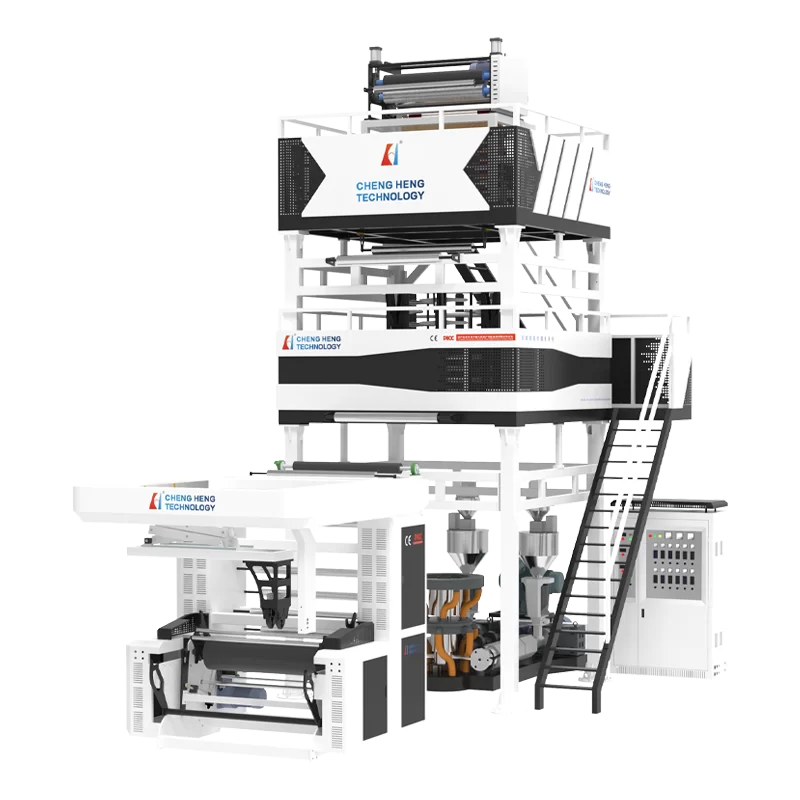
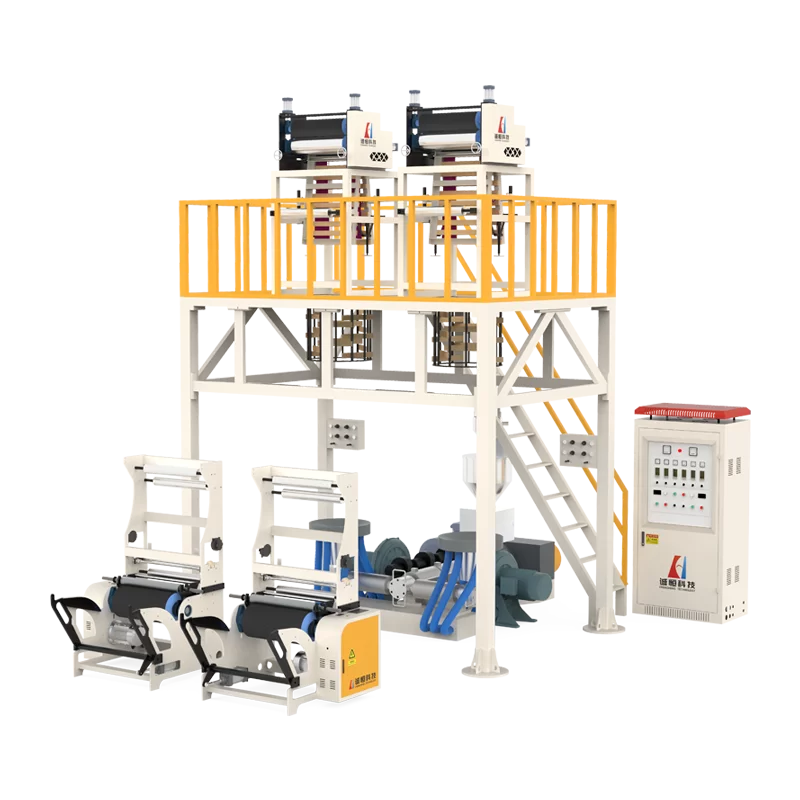
The multi-layer co-extrusion water-cooled bottom-blowing film blowing machine is a specially designed film blowing machine that utilizes a top-down (bottom-blowing) extrusion method combined with water cooling technology. It is primarily used to produce high-performance multi-layer composite films. Compared to the traditional top-blowing method, the bottom-blowing method is particularly suitable for the production of films requiring high transparency, high uniformity, and special cooling requirements, such as high-transparency packaging films, shrink films, and plastic wrap.
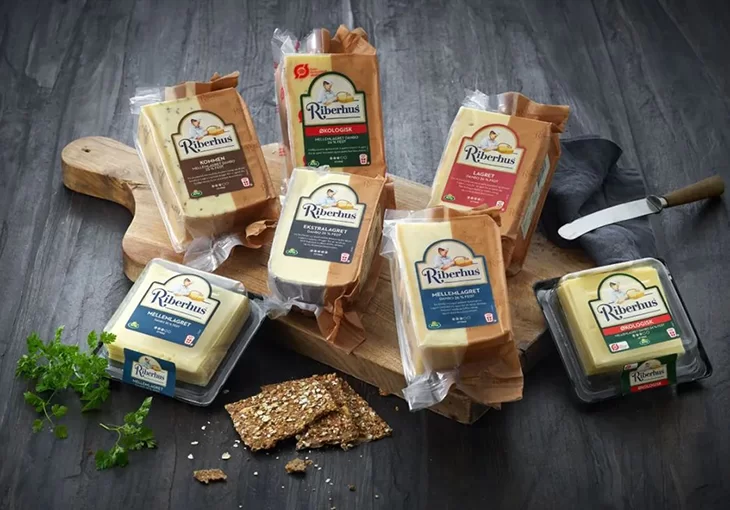
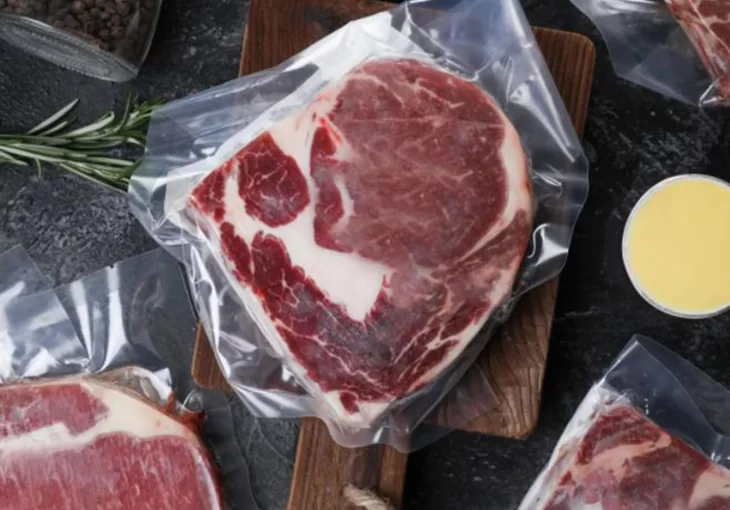
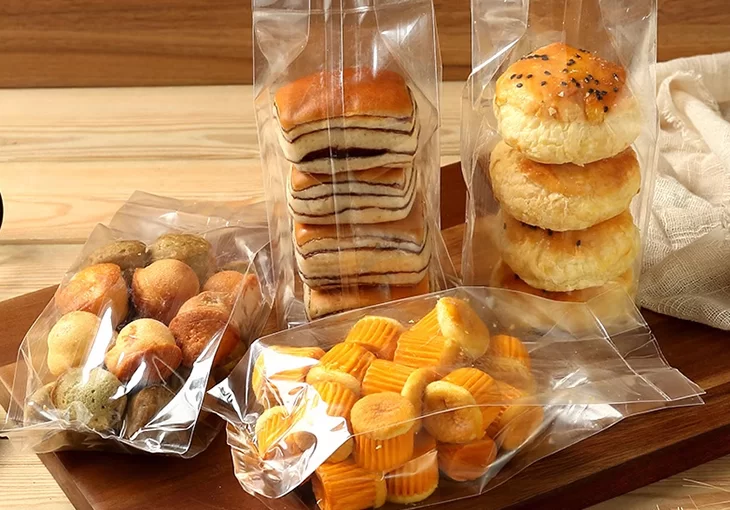
The multi-layer co-extrusion water-cooled film blowing machine is an advanced plastic film production machine. It uses co-extrusion technology to layer and laminate resin materials with different functionalities, and combines this with a water-cooling process to achieve efficient cooling and molding. It is primarily used to produce high-performance, multi-layer composite films, commonly used in food packaging, pharmaceutical packaging, agricultural films, industrial protective films, and other fields.
Multi-layer co-extrusion structure
Equipped with multiple extruders, raw materials with different properties (such as PE, PP, PA, EVOH, etc.) are melted and plasticized separately. Then, they are precisely compounded into a pre-defined multi-layer structure (such as AB, ABA, ABC, etc.) through a multi-layer composite die, achieving complementary material properties (such as barrier properties, strength, and chemical resistance).
Down-blowing
Unlike the "up-blowing" process (in which the bubble is upward), after the melt is extruded from the die, the bubble extends vertically downward, using gravity to assist in pulling the film and reduce bubble sway. This process is particularly suitable for producing thicker and more rigid films (such as industrial packaging films).
Water-Cooling System
After extrusion, the film bubble is cooled and set by an annular water jacket, water ring, or spray device, which directly contacts the bubble surface. The high thermal conductivity of water is utilized to rapidly cool the film. Compared to air cooling, water cooling is more efficient, effectively inhibiting high-temperature degradation of the raw material and improving the film's transparency, gloss, and mechanical stability.