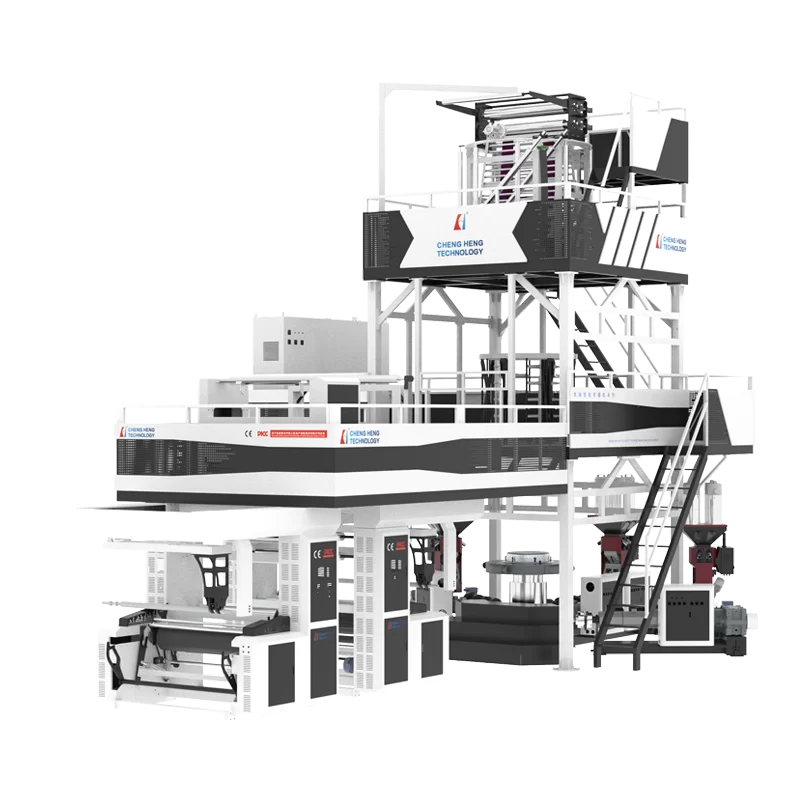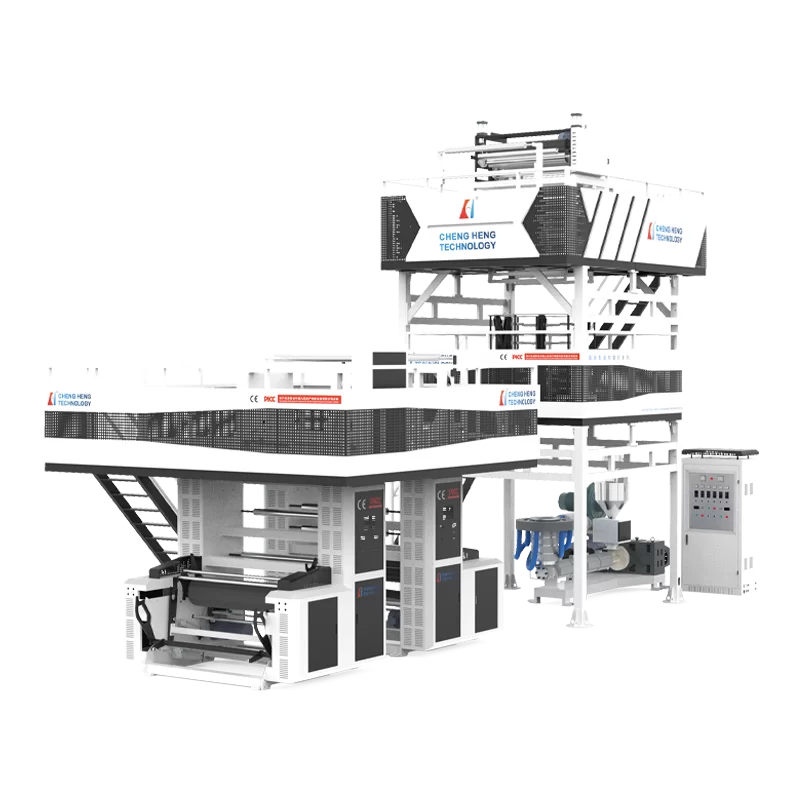
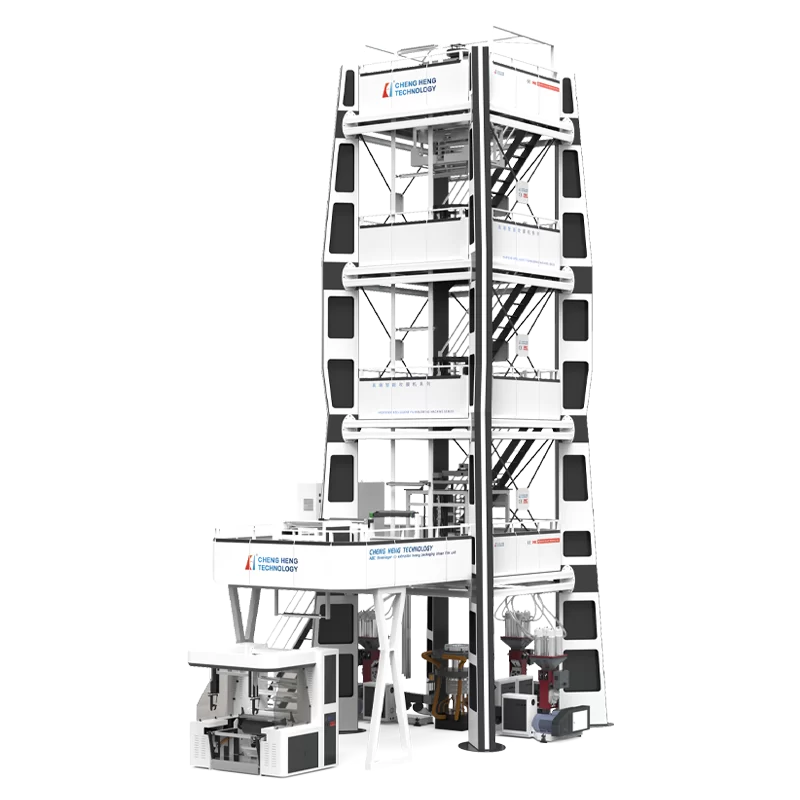
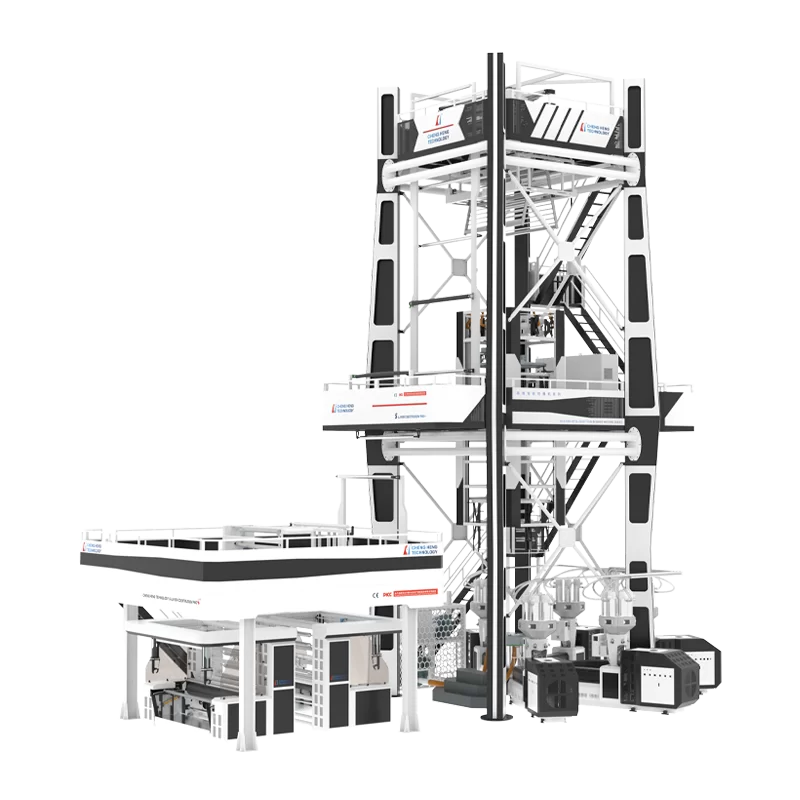
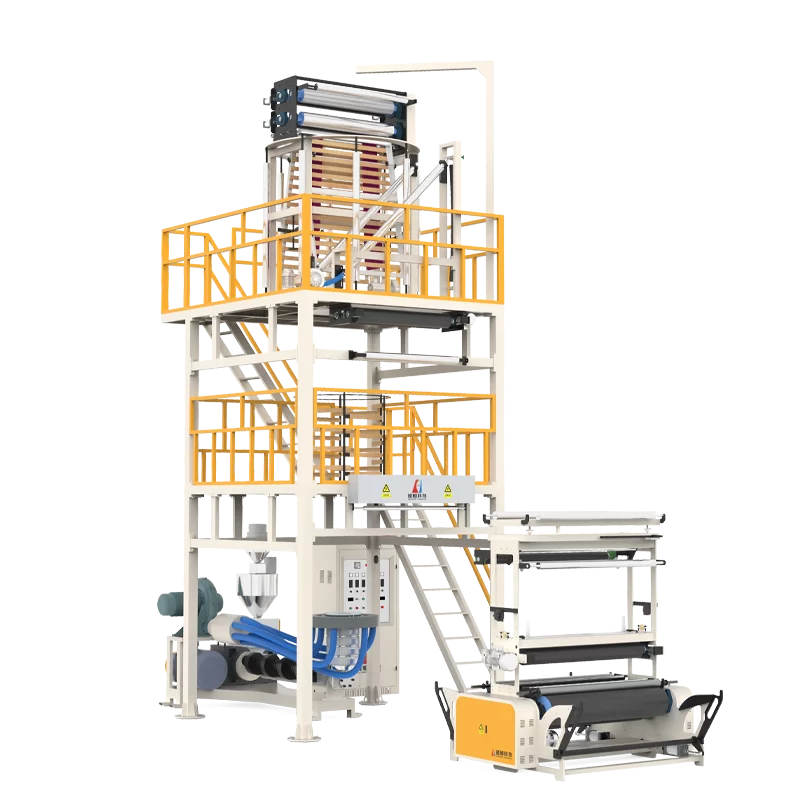
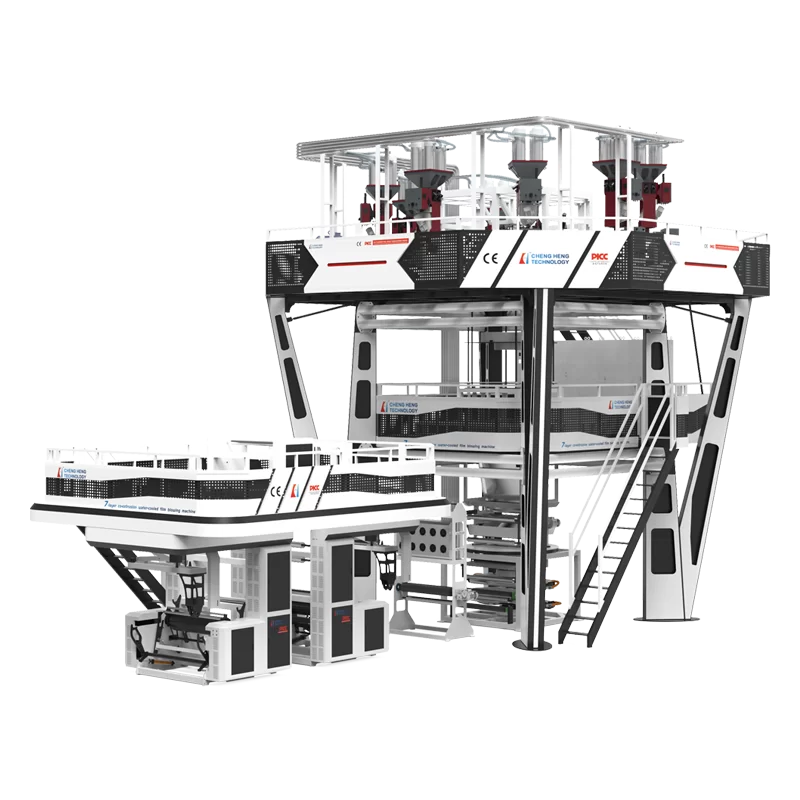
Advanced Blown Film Production Line Solutions for Asia - Laos

Empowering Laotian plastic manufacturers with high-efficiency extrusion technology to drive sustainable industrial growth in Southeast Asia.

Advanced Blown Film Production Line Solutions for Asia - Laos

We provide integrated, high-performance plastic processing equipment tailored to the specific climatic and economic needs of the Laotian market, ensuring maximum output with minimum energy consumption.

Current Market Status of Film Blowing Machine in Laos

Analyzing the intersection of industrialization and plastic demand in the Lao PDR.

In Asia - Laos, the plastic packaging industry is currently experiencing a transition from manual, small-scale workshops to semi-automated industrial plants. With the growth of agricultural exports and the rise of local retail, the demand for a reliable blown film line has surged to support the production of shopping bags and agricultural mulch films.

The local environment presents unique challenges; high humidity and fluctuating power stability in rural provinces require a blown film extrusion machine that is not only robust but also energy-efficient. Many manufacturers are currently upgrading their legacy equipment to reduce waste and improve the tensile strength of the produced films.

Furthermore, the strategic position of Laos as a land-linked hub in ASEAN is driving the adoption of more sophisticated lown film machine technologies. There is a clear shift toward machinery that can handle biodegradable resins to align with emerging regional environmental regulations.
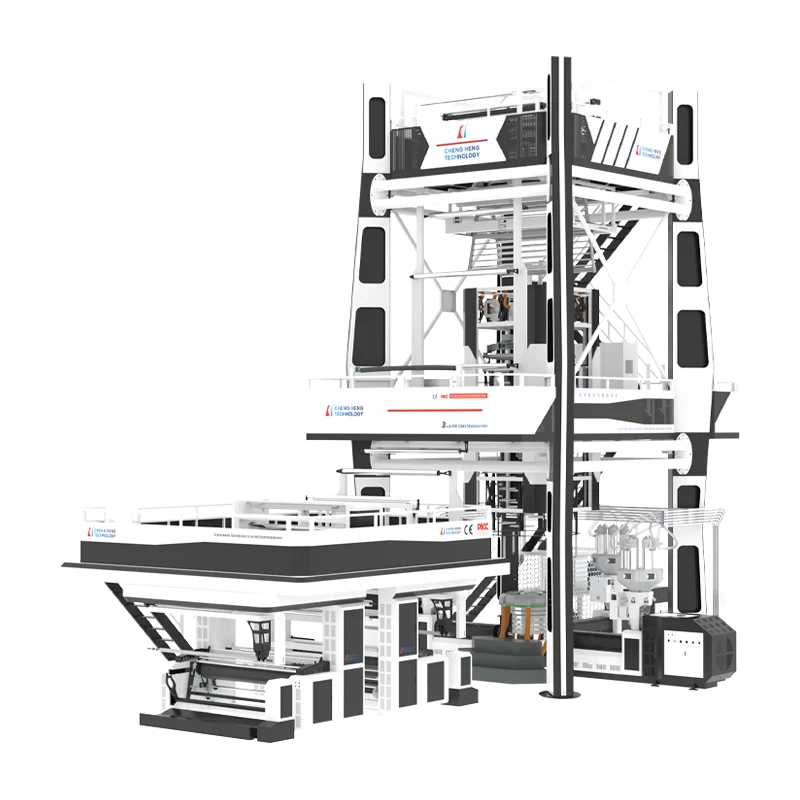
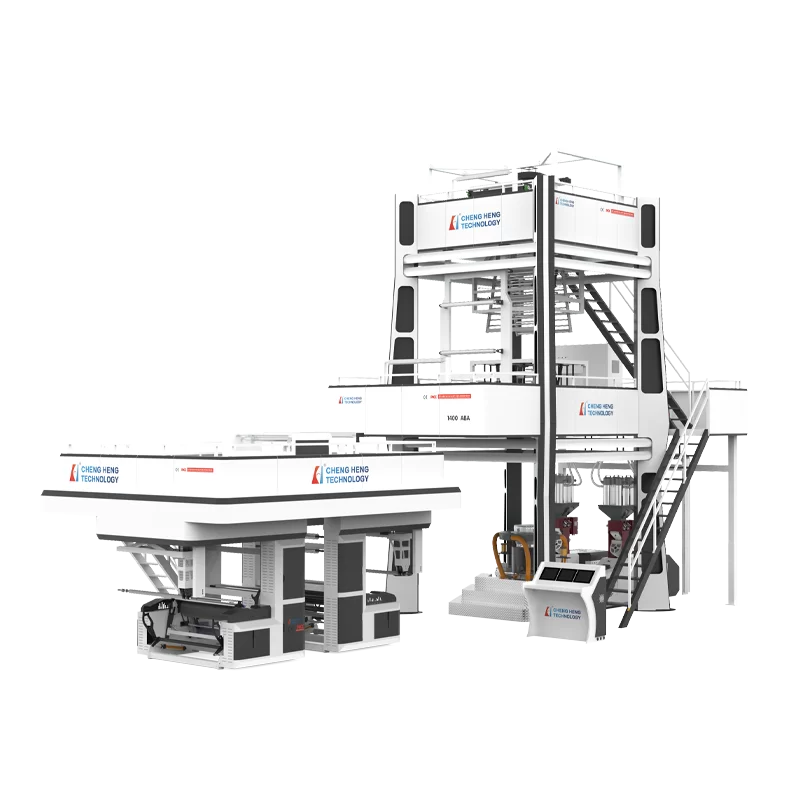
Evolution and Trajectory of Blown Film Technology in Laos

From traditional extrusion to smart, automated production ecosystems.

Market Development History

Between 2010 and 2015, the Laotian market relied primarily on second-hand, low-efficiency machines. The focus was purely on basic functionality, with very little regard for thickness precision or energy recovery, making the early blown film line operations costly and inconsistent.

From 2016 to 2021, there was a significant pivot toward new, specialized equipment from Asian manufacturers. This era saw the introduction of PLC-controlled blown film production line systems, which allowed local factories to standardize their product quality for the first time and enter the export market.

Since 2022, the trajectory has shifted toward "Green Manufacturing." The integration of multi-layer co-extrusion technology has enabled the production of high-barrier films, significantly reducing the raw material usage while increasing the durability of the end product.

Future Development Trends

Integration of IoT and Remote Monitoring

We predict a move toward smart factories where the blown film extrusion machine is connected to cloud platforms, allowing for real-time energy monitoring and predictive maintenance to avoid costly downtime.

Biodegradable and Compostable Polymers

Following global trends, Laos will likely implement stricter plastic bans. This will drive the demand for specialized film blowing machine designs capable of processing PLA and PBAT resins without degrading the screw performance.

Energy Optimization and Heat Recovery

With rising electricity costs, future iterations of the lown film machine will feature advanced infrared heating and heat recovery systems to lower the carbon footprint per ton of film.

Industry Outlook and Future Projections for Laos

Strategic foresight into the plastic processing landscape of Asia - Laos.

Eco-Friendly Transitions
Rapid adoption of biodegradable materials to comply with ASEAN environmental standards.
Automation Integration
Replacing manual winding and cutting with fully synchronized automated systems.
Material Diversification
Expanding from simple LDPE to complex multi-layer LLDPE/mLLDPE blends.
Energy Efficiency
Implementation of energy-saving motors and optimized heating zones to reduce OpEx.

Industry Outlook

Based on search trends and economic indicators, the plastic machinery sector in Laos is moving toward "precision-driven production." Manufacturers are no longer competing solely on volume but on the technical specifications of the film, such as transparency, puncture resistance, and sealability.

Over the next 3-5 years, the integration of circular economy principles will dominate. We expect a surge in demand for equipment that can process recycled post-industrial waste, turning waste plastic back into high-quality film rolls via advanced filtration systems.

Localized Application Scenarios in Laos

Real-world deployments of our extrusion technology across various Laotian sectors.

1. Agricultural Mulch Film Production in Vientiane

Deploying high-speed lines to produce UV-resistant mulch films that help local farmers protect crops from the intense tropical heat and moisture of the Mekong valley.

2. Retail Packaging for Urban Markets in Luang Prabang

Implementing precision-controlled machines to create lightweight, high-strength shopping bags for the growing tourism and retail sectors in northern Laos.

3. Industrial Shrink Film for Export Goods

Utilizing heavy-duty extrusion lines to produce durable shrink wraps for the packaging of agricultural exports destined for Thailand and Vietnam.

4. Biodegradable Bag Initiatives for Government Projects

Installing specialized machinery designed for compostable resins to help Laotian municipalities reduce plastic pollution in national parks.

5. Specialized Food Grade Packaging for Local SMEs

Providing small-footprint, high-hygiene production lines for local food processors to package dried fruits and snacks for the regional market.

Brand Story

Global Development Journey of Maqi Intelligent Technology Hebei Co., Ltd.

Foundational Engineering Excellence

Started with a core focus on solving the instability of extrusion pressure in early plastic machinery, establishing a reputation for precision.

Technological Breakthroughs

Developed proprietary screw and barrel designs that significantly reduced energy consumption while increasing output for large-scale lines.

Global Market Expansion

Expanded our footprint into Southeast Asia, adapting our technology to the specific electrical and climatic conditions of regions like Laos.

Commitment to Sustainability

Launched a dedicated R&D wing focused on biodegradable polymers, ensuring our clients stay ahead of global environmental regulations.

Industry 4.0 Leadership

Currently leading the transition to smart manufacturing by integrating AI-driven quality control into every production line we deliver.

Comprehensive Product Portfolio for Asia - Laos

A full suite of plastic extrusion solutions designed for durability, efficiency, and scalability.

Common Questions Regarding Plastic Machinery in Laos

Expert answers to technical and operational queries from our local partners.

Which blown film production line is best for the humid climate of Laos?

We recommend machines with reinforced anti-corrosion coatings and advanced cooling rings to maintain film stability despite high ambient humidity and temperature variations.

Can a film blowing machine process biodegradable resins effectively?

Yes, our specialized models feature modified screw geometries and precise temperature control zones specifically designed to handle the thermal sensitivity of PLA and PBAT.

How do I maintain a blown film extrusion machine with limited local technical support?

Our machines come with modular components and an intuitive PLC interface. We also provide comprehensive remote diagnostic tools and detailed video manuals for local operators.

What is the average energy consumption of a modern blown film line?

Our latest energy-saving series reduces power consumption by 15-25% compared to traditional models by using high-efficiency motors and optimized heating elements.

How can I improve the thickness uniformity using a lown film machine?

Thickness uniformity is achieved through precise air-ring adjustment and the use of high-quality spiral mandrel dies, which ensure a consistent melt flow around the circumference.

What is the lead time for installing a full production line in Asia - Laos?

Typically, the process from order to installation takes 6-10 weeks, including manufacturing, shipping to Laotian ports, and on-site commissioning by our engineers.

Ready to Upgrade Your Production?

Contact our technical experts today for a customized extrusion solution tailored to your factory requirements in Asia - Laos.

Contact Us Now