
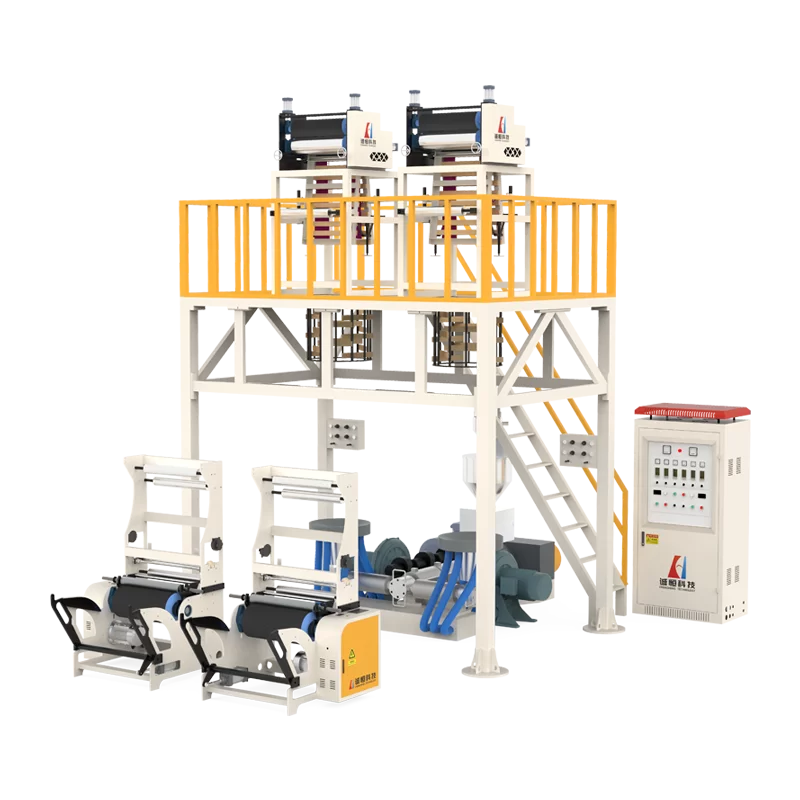
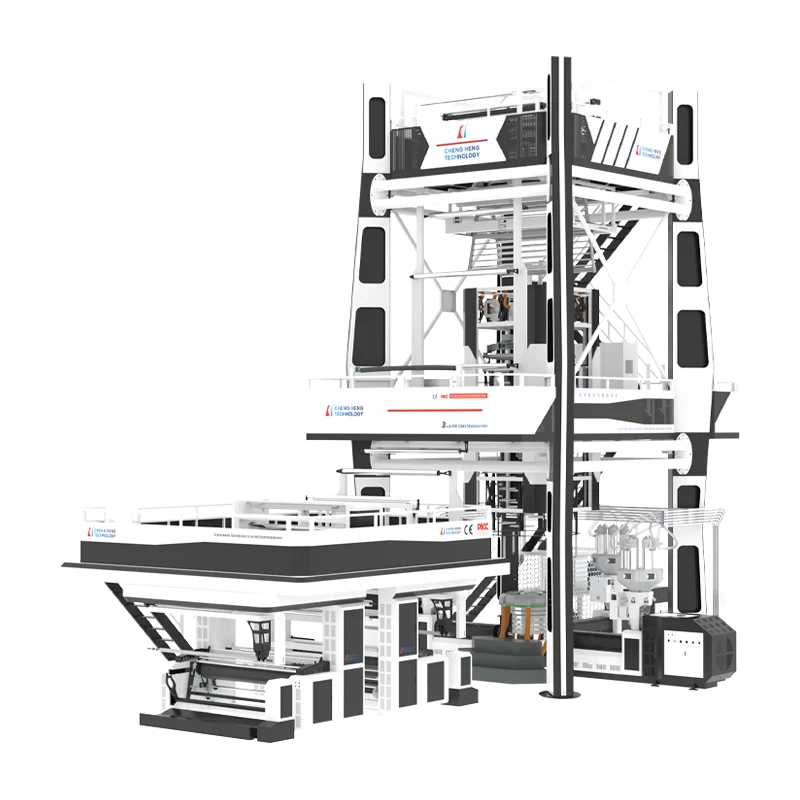
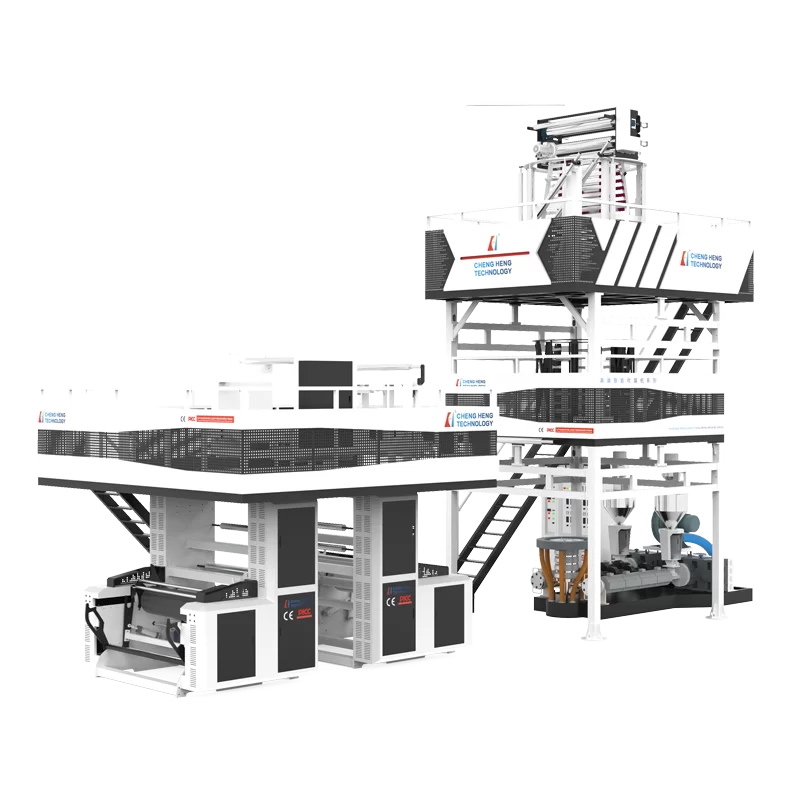
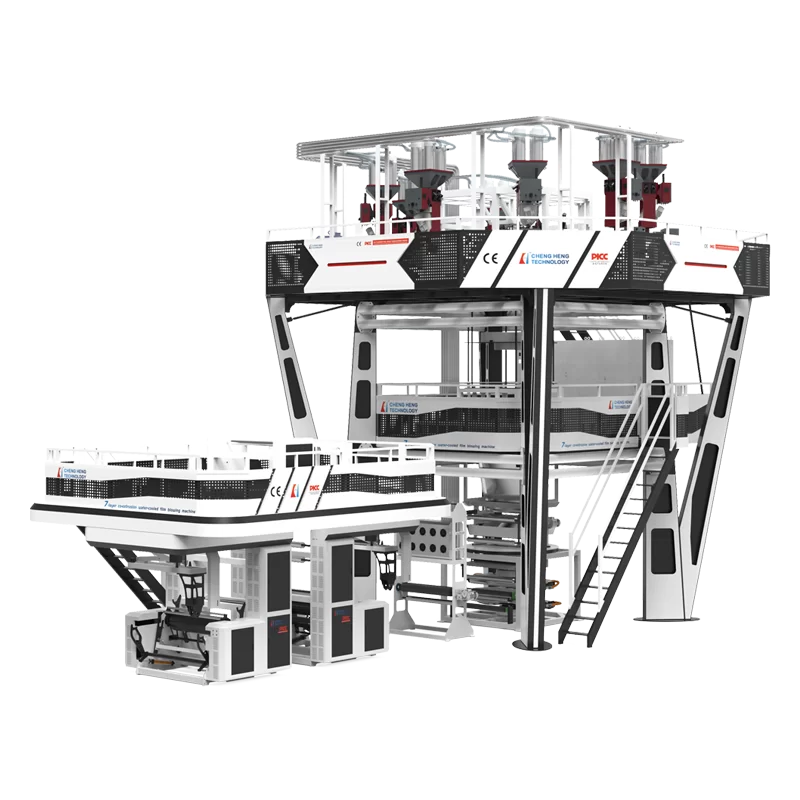
Advanced Blown Film Production Line Solutions for Thailand's Industrial Sector

Empowering Thai manufacturers with high-precision extrusion technology to meet the growing demand for sustainable packaging and industrial films.

Advanced Blown Film Production Line Solutions for Thailand's Industrial Sector

We provide world-class extrusion systems tailored for the Thai market, focusing on energy efficiency, material versatility, and high-throughput stability to optimize your plastic processing plant.

Current State of Plastic Film Manufacturing in Thailand

Analyzing the intersection of tropical climate challenges and industrial growth in the ASEAN hub.

Thailand's plastic industry is currently undergoing a massive transition. Due to the high humidity and tropical temperatures of the region, maintaining the stability of a film blowing machine is a critical operational challenge. Local manufacturers are increasingly moving away from manual controls toward automated systems to reduce waste and ensure consistency in film thickness.

The economic landscape, driven by a strong agricultural export sector and a booming e-commerce market, has surged the demand for high-quality PE and PP films. Consequently, the adoption of a professional blown film line has become essential for SMEs looking to scale their production and compete in the global market.

Furthermore, Thailand's strict environmental regulations and the "BCG" (Bio-Circular-Green) economy model are forcing a shift towards biodegradable materials. This requires a modern blown film extrusion machine capable of processing PLA and PBAT resins without compromising the mechanical properties of the final product.
Evolution and Technological Trajectory of Film Production

From basic extrusion to intelligent, eco-friendly manufacturing cycles.

Market Development History

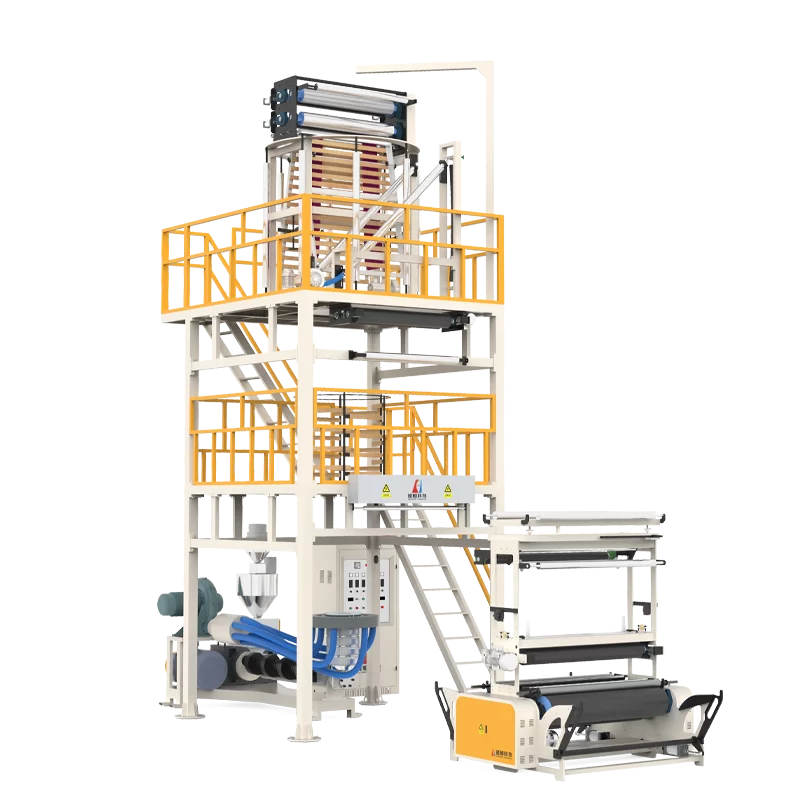
In the early 2000s, the Thai market relied heavily on basic lown film machine technology, which featured simple single-screw extrusion and manual bubble control, resulting in high material variance.

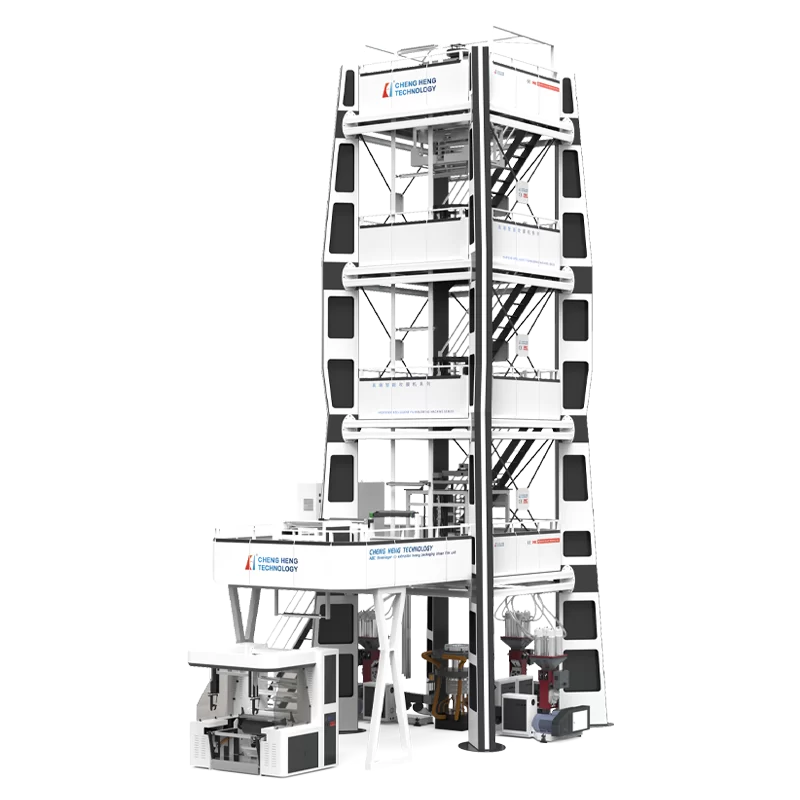
Between 2010 and 2020, there was a significant shift toward multi-layer co-extrusion. Manufacturers integrated ABC-type structures to improve barrier properties, making the blown film production line more versatile for food packaging applications.

Entering the 2020s, the industry has embraced Industry 4.0. The integration of PLC control systems and automatic bubble thickness gauging has transformed the traditional film blowing machine into a smart production unit with minimal human intervention.

Future Development Trends

Biodegradable Resin Integration

Future systems will focus on the specialized heating profiles required for compostable plastics to support Thailand's zero-waste initiatives.

Energy-Efficient Servo Drives

Transitioning from traditional motors to high-efficiency servo drives to reduce electricity costs in large-scale Thai factories.

AI-Driven Quality Control

Implementing real-time AI monitoring to predict film breakouts and automatically adjust the blown film line parameters.

Industrial Trends and Future Outlook

Strategic forecasting for the next 3-5 years in the plastic processing sector.

Eco-Friendly Materials
Rapid adoption of recycled PE and biodegradable resins in every blown film extrusion machine.
Smart Automation
Integration of IoT sensors for remote monitoring of the blown film line.
High-Speed Output
Developing ultra-high-speed film blowing machine systems to lower unit costs.
Precision Gauging
Advanced thickness control to reduce raw material waste by up to 15%.

Industry Outlook

According to regional search trends and industrial data, the Thai market is pivoting toward "Lean Manufacturing." This means the demand for a blown film production line that integrates heating, extrusion, and winding into a compact, energy-efficient footprint will grow.

We anticipate that within the next 5 years, the integration of circular economy principles will make "Closed-Loop" recycling systems a standard feature, where scrap film is re-granulated and fed back into the extrusion process in real-time.

Localized Application Scenarios in Thailand

Tailored solutions for Thailand's unique agricultural and industrial demands.

1. Agricultural Mulch Film Production

Deploying a high-stability blown film line to produce UV-resistant mulch films for Thailand's vast durian and rice plantations, ensuring crop protection against tropical heat.

2. E-commerce Packaging Logistics

Utilizing a high-speed film blowing machine to create high-strength LDPE shipping bags for the booming logistics hubs in Bangkok and Chonburi.

3. Fresh Food Export Wrap

Implementing a multi-layer blown film production line to produce high-barrier films that extend the shelf life of Thai seafood and fruit exports.

4. Industrial Liners for Manufacturing

Using a heavy-duty blown film extrusion machine to manufacture thick, puncture-resistant liners for the automotive parts industry in the Eastern Economic Corridor (EEC).

5. Biodegradable Retail Shopping Bags

Configuring a specialized lown film machine to produce compostable bags for Thai retail chains adhering to the national plastic reduction roadmap.

Brand Story

Global Development Journey of Maqi Intelligent Technology Hebei Co., Ltd.

Foundation of Precision

Started with a mission to solve the instability of plastic extrusion, we focused on the core mechanics of screw design to ensure perfect melt homogeneity.

Technological Breakthrough

We pioneered the integration of smart PLC controls, reducing the reliance on manual experience and increasing production uptime for our clients.

Global Market Expansion

Expanding our footprint into Asia, specifically Thailand, we adapted our machinery to withstand high-humidity environments and diverse power grids.

Sustainability Commitment

We developed a series of biodegradable-ready extrusion lines to help global manufacturers transition toward a greener, circular economy.

The Future of Intelligent Mfg

Today, we combine Big Data with extrusion hardware to provide a full-lifecycle solution for the global plastic processing industry.

Common Questions for Thai Manufacturers

Expert answers to the most pressing technical and commercial concerns in the region.

How does humidity in Thailand affect a film blowing machine?

High humidity can affect the cooling rate of the bubble. We implement advanced air-ring designs and precision cooling systems to ensure film stability despite the tropical climate.

Can your blown film production line handle biodegradable resins?

Yes, our machines are equipped with specialized screw geometries and precise temperature control zones specifically designed for PLA and PBAT materials.

What is the average lead time for a blown film extrusion machine to Thailand?

Typically, production and shipping take 30-60 days, depending on the customization requirements and the chosen shipping port in Thailand.

How do I optimize the output of a blown film line for HDPE?

Optimization involves balancing the blow-up ratio (BUR) and the screw speed. Our technical team provides a full parameter guide based on your specific resin grade.

Is a lown film machine suitable for small-scale SME startups?

Absolutely. We offer compact, energy-efficient models that provide professional results with lower initial investment and operating costs.

What after-sales support is available for machinery in Thailand?

We provide remote diagnostic support via IoT, comprehensive installation manuals, and on-site commissioning to ensure your line runs at peak efficiency.

Ready to Upgrade Your Production?

Consult with our experts today to find the perfect extrusion solution for your business in Thailand.

Contact Us Now