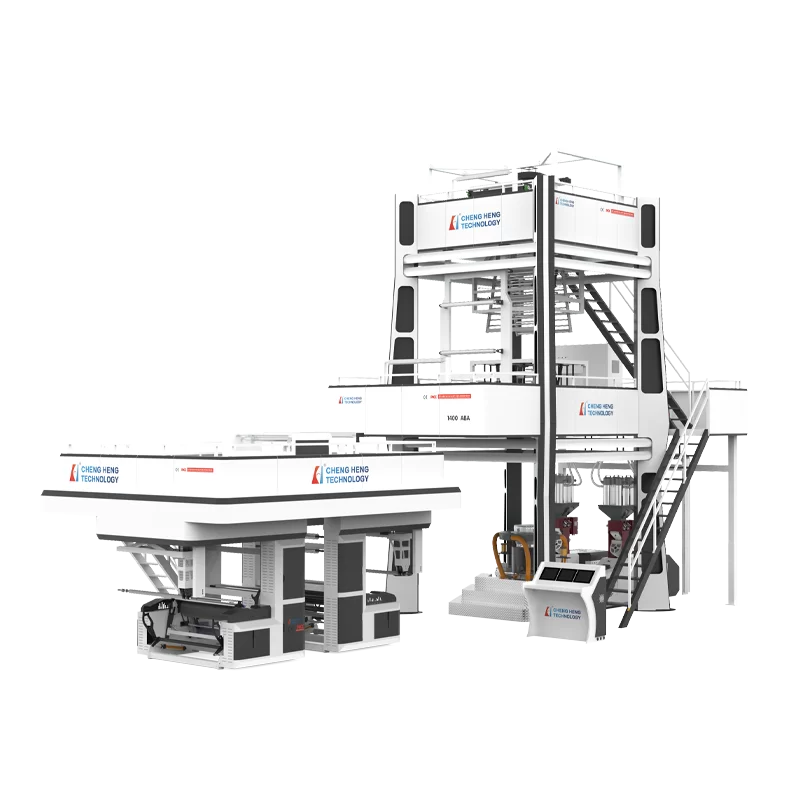
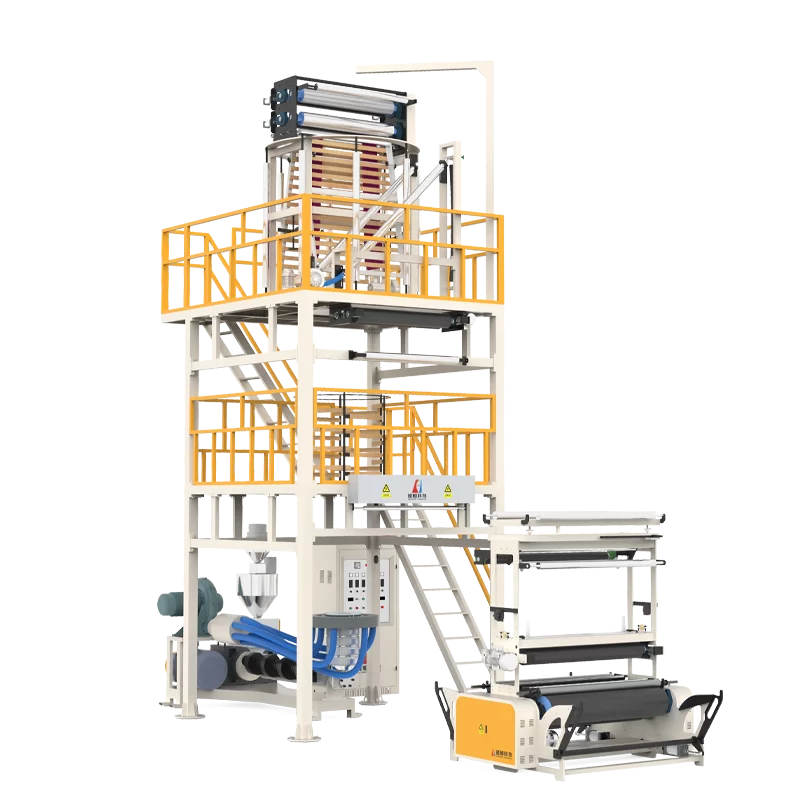
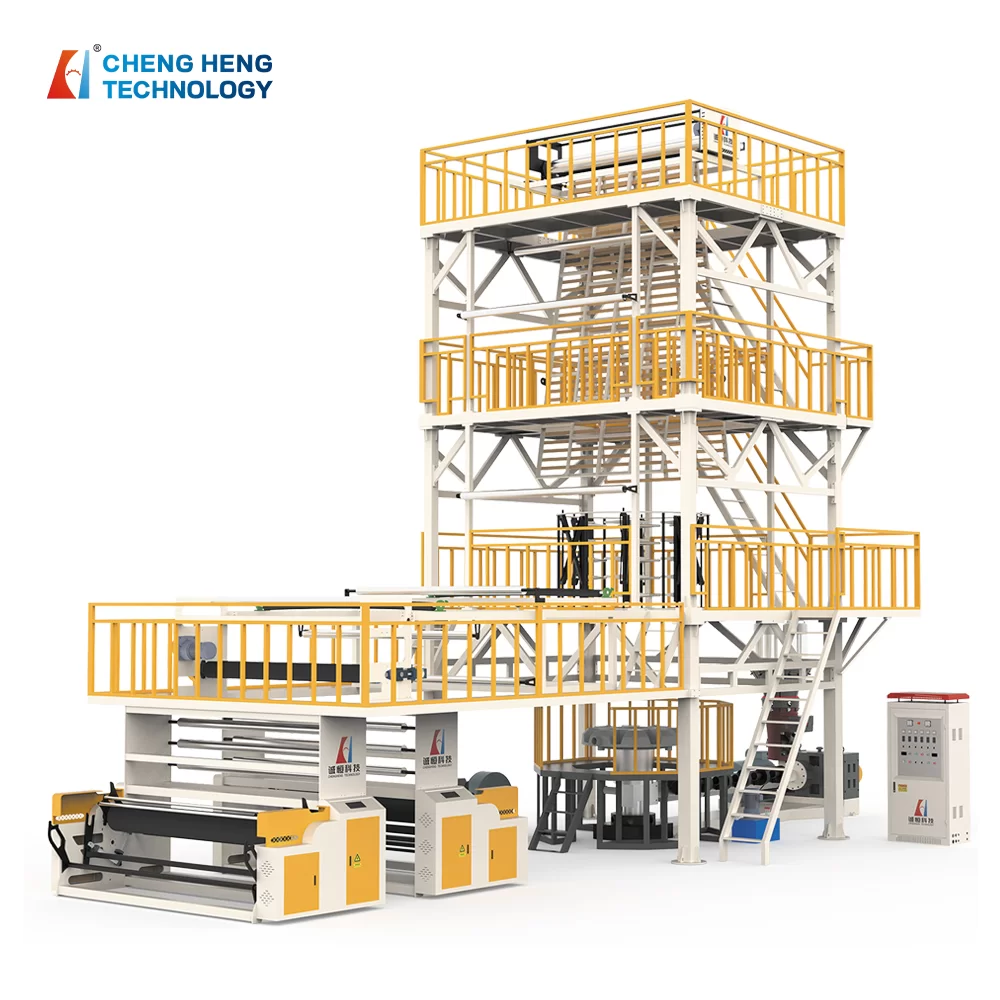
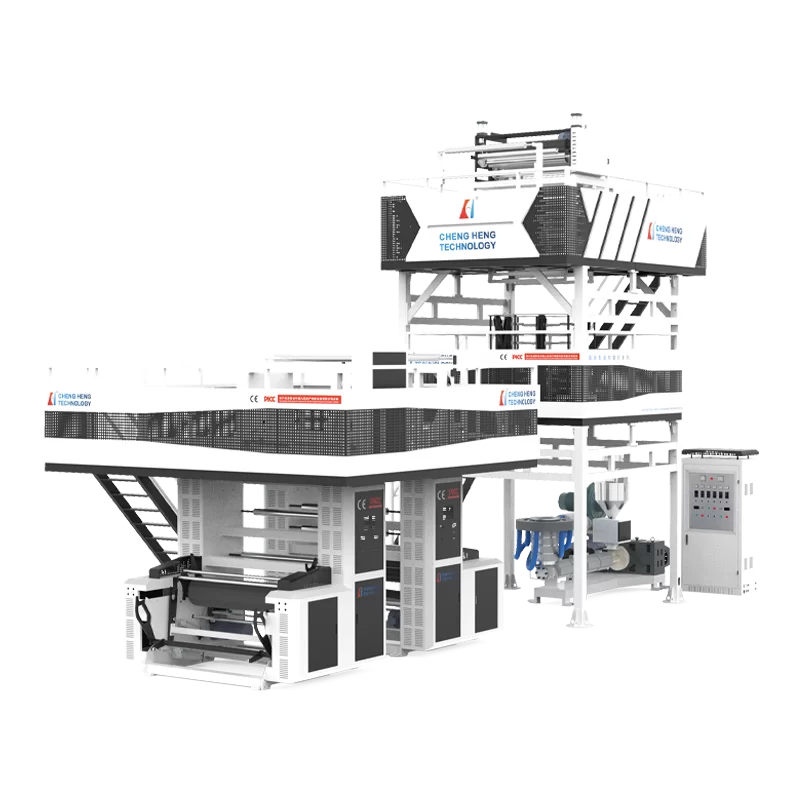
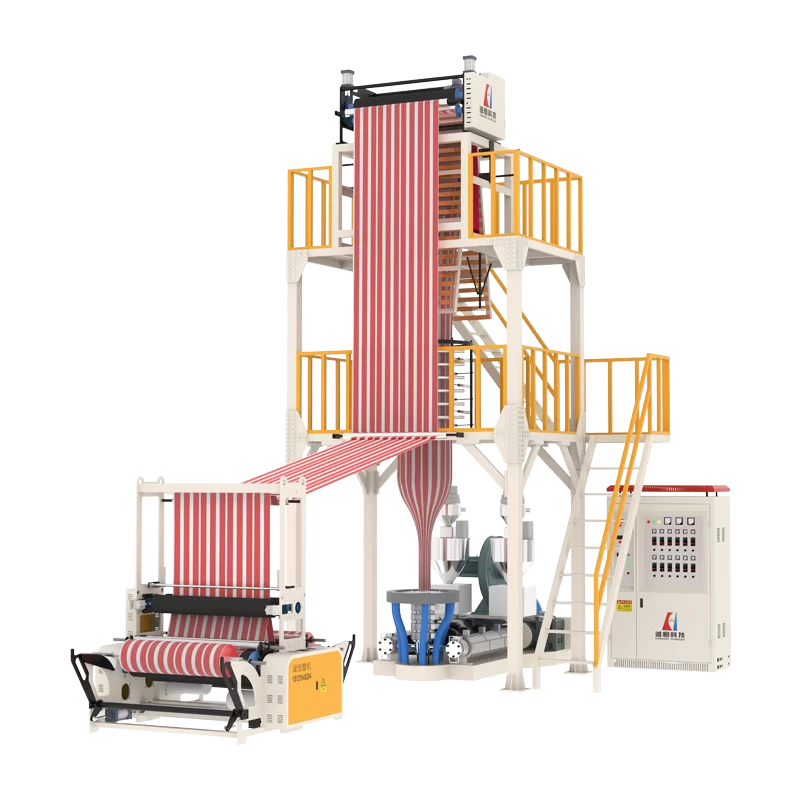
Advanced Blown Film Production Line Solutions for Philippines

High-efficiency polymer processing technology designed to elevate the packaging manufacturing standards across the Philippine archipelago.

Advanced Blown Film Production Line Solutions for Philippines

Integrating cutting-edge blown film production line technology to provide the Philippine market with durable, high-clarity, and sustainable plastic packaging solutions.

Current State of Plastic Film Manufacturing in Philippines

Analyzing the intersection of tropical climate demands and industrial growth in the Southeast Asian hub.

The manufacturing landscape in the Philippines is currently experiencing a surge in demand for flexible packaging, driven by the rapid expansion of the e-commerce and food delivery sectors. However, many local factories still rely on outdated film blowing machine models that struggle with energy inefficiency and inconsistent thickness control, limiting their competitiveness in the global export market.

Geographically, the high humidity and coastal salinity of the Philippines pose significant challenges to machinery longevity. Standard equipment often suffers from premature corrosion and electrical instability due to fluctuating power grids in regional industrial zones, necessitating the adoption of more robust blown film extrusion machine systems with enhanced cooling and protective coatings.

Furthermore, there is a critical shift toward "Green Manufacturing" as the Philippine government implements stricter regulations on single-use plastics. This has created an urgent need for upgraded blown film line technology capable of processing biodegradable resins and recycled LDPE/HDPE without compromising the structural integrity of the final film.
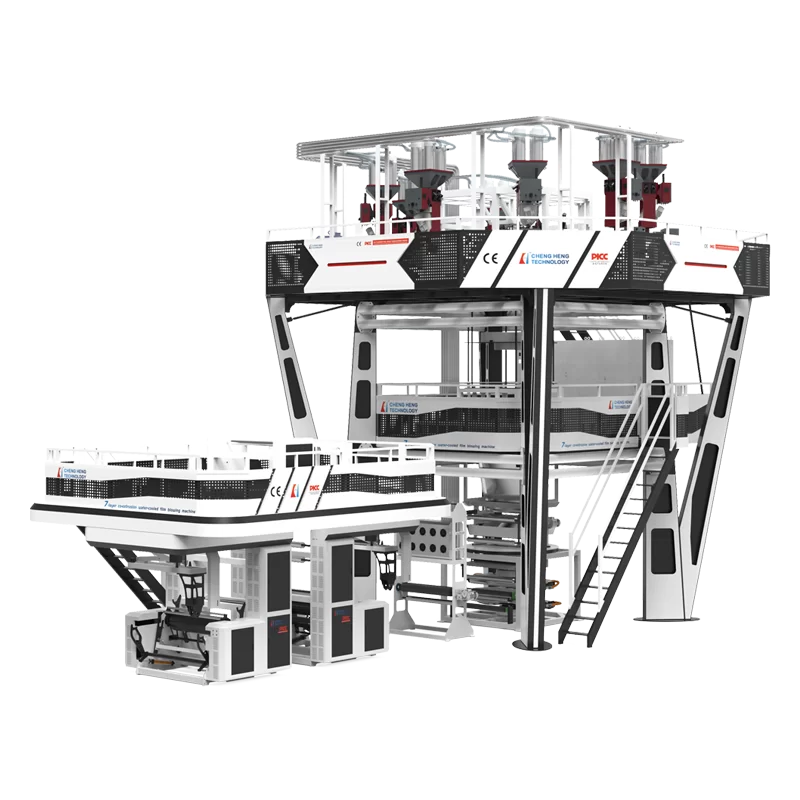
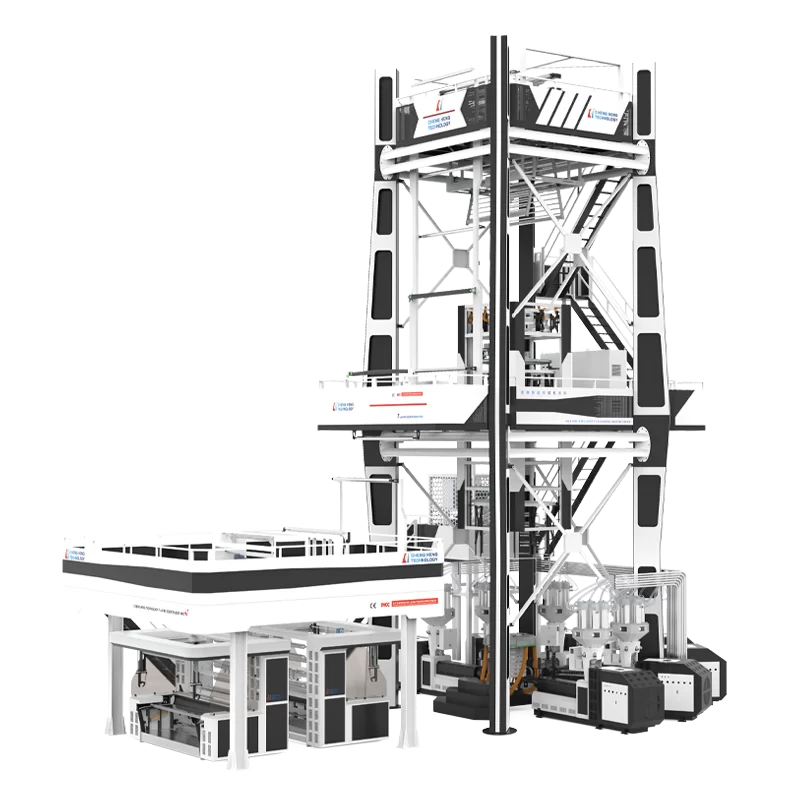
Evolution and Technical Trajectory of Blown Film Systems

From manual mechanical controls to AI-driven precision extrusion.

Market Development History

In the early 2000s, the Philippine market was dominated by basic, manual-start lown film machine setups. These machines focused solely on volume, with minimal attention to gauge variation, leading to high material waste and inconsistent product quality in the local market.

Between 2010 and 2018, the industry transitioned toward PLC-controlled automation. The introduction of automatic bubble control and high-efficiency air rings allowed manufacturers to produce thinner, stronger films, reducing the cost per unit and enabling the growth of specialized industrial liners.

From 2019 to the present, the focus has shifted toward "Intelligent Extrusion." Modern lines now incorporate servo-motor drives and real-time thickness monitoring systems, allowing for the precise production of multi-layer barrier films essential for the Philippine food preservation industry.

Future Development Trends

Biodegradable Material Integration

The next 3-5 years will see a massive shift toward PBAT and PLA materials, requiring blown film production line hardware that can handle different melting points and shear sensitivities.

Energy-Saving Induction Heating

Replacing traditional ceramic heaters with induction heating will drastically reduce energy consumption, a critical factor given the high electricity costs in the Philippines.

Industry 4.0 Remote Diagnostics

Cloud-based monitoring will allow technical experts to optimize film blowing machine parameters remotely, minimizing downtime in provincial factories far from urban service centers.

Future Trends and Industrial Outlook

Predicting the strategic pivot of the polymer processing industry in Southeast Asia.

Circular Economy Pivot
Increased adoption of PCR (Post-Consumer Recycled) resins in the blown film process to meet environmental mandates.
Multi-layer Co-extrusion
Moving from single-layer to 3-layer or 5-layer films to enhance barrier properties for food safety.
Precision Gauge Control
Integration of infrared sensors to reduce material waste by maintaining exact micron thickness.
Smart Energy Management
Implementation of energy recovery systems to lower the carbon footprint of large-scale production.

Industry Outlook

The Philippines is poised to become a regional hub for specialized packaging. As Google search trends indicate a growing interest in "sustainable packaging Philippines," manufacturers who invest in advanced blown film extrusion machine technology will likely dominate the market.

We expect the transition toward automated, high-speed production to accelerate, with a specific focus on reducing the "plastic tax" burden through the use of ultra-thin, high-strength films produced by precision-engineered lines.

Localized Application Scenarios in the Philippines

Tailoring blown film technology to specific regional economic needs.

01. Agricultural Produce Packaging (Benguet/Davao)

Utilizing a blown film line to create perforated, breathable films that extend the shelf life of high-value crops like strawberries and bananas during transit to Manila.

02. E-commerce Logistics Mailers (Metro Manila)

Deploying high-output film blowing machine systems to produce heavy-duty, tear-resistant poly mailers for the booming Shopee and Lazada logistics networks.

03. Retail Shopping Bags (Regional Malls)

Implementing energy-efficient blown film production line solutions to produce high-clarity HDPE bags that comply with local municipal plastic thickness regulations.

04. Industrial Liners for Aquaculture (Pampanga/Coastal Areas)

Using a robust blown film extrusion machine to manufacture UV-stabilized pond liners and waterproof covers that withstand the intense Philippine tropical sun.

05. Food Grade Vacuum Packaging (Cebu/Davao)

Leveraging multi-layer lown film machine technology to create high-barrier films for seafood exports, preventing oxidation and maintaining freshness.

Brand Story

Global Development Journey of Maqi Intelligent Technology Hebei Co., Ltd.

The Foundation of Precision

Founded on the principle of engineering excellence, we began by solving the most basic instability issues in polymer extrusion, focusing on heat distribution and screw design.

Technological Breakthrough

We pioneered the integration of smart PLC controls into our lines, drastically reducing the reliance on manual operator skill and increasing yield rates.

Global Expansion

Expanding into the Southeast Asian market, we adapted our machinery to handle tropical environments, ensuring durability against high humidity and temperature.

Sustainability Leadership

We invested heavily in R&D for biodegradable plastic processing, helping our clients transition toward an eco-friendly future without losing profitability.

The Vision for Tomorrow

Our mission is to provide every manufacturer in the Philippines with a "Zero-Waste" production ecosystem through AI-driven extrusion technology.

Common Questions for Philippine Manufacturers

Expert answers to the most pressing technical and operational concerns.

How to maintain a film blowing machine in high-humidity environments like Manila?

We recommend installing industrial dehumidifiers in the electrical cabinet and using stainless steel components for the air ring to prevent oxidation caused by coastal salt air.

Can your blown film production line handle 100% recycled LDPE?

Yes, our specialized screw designs provide superior homogenization, allowing the processing of high-percentage recycled materials while maintaining film bubble stability.

What is the average energy consumption of a modern blown film extrusion machine?

By utilizing energy-saving induction heaters and servo-driven motors, our modern lines reduce energy consumption by 15-25% compared to traditional ceramic-heated models.

Which blown film line is best for producing ultra-thin agricultural films?

For ultra-thin applications, we recommend our high-precision lines featuring automatic thickness control (ATC) and high-performance cooling rings to ensure gauge uniformity.

Do you provide installation support for lown film machine setups in provincial areas?

Yes, we provide full turnkey installation, including on-site commissioning and operator training regardless of the location within the Philippines.

How does a multi-layer blown film production line improve food packaging?

Multi-layer lines allow for the combination of different resins (e.g., PE and EVOH), creating a barrier against oxygen and moisture that significantly extends food shelf life.

Ready to Optimize Your Production?

Our technical experts are ready to help you deploy the most efficient plastic processing technology in Philippines.

Contact Us Now