
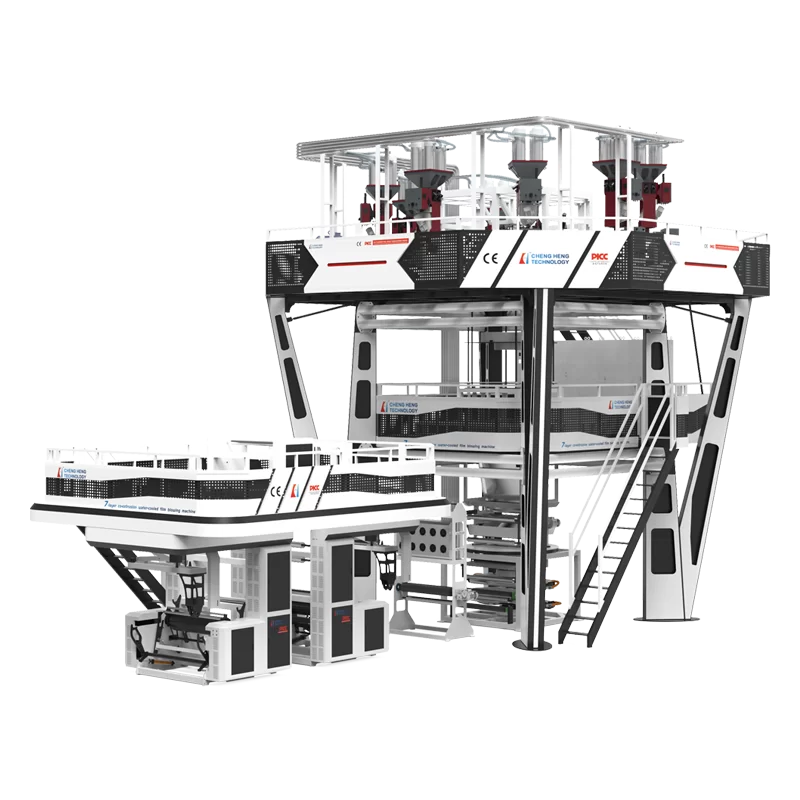
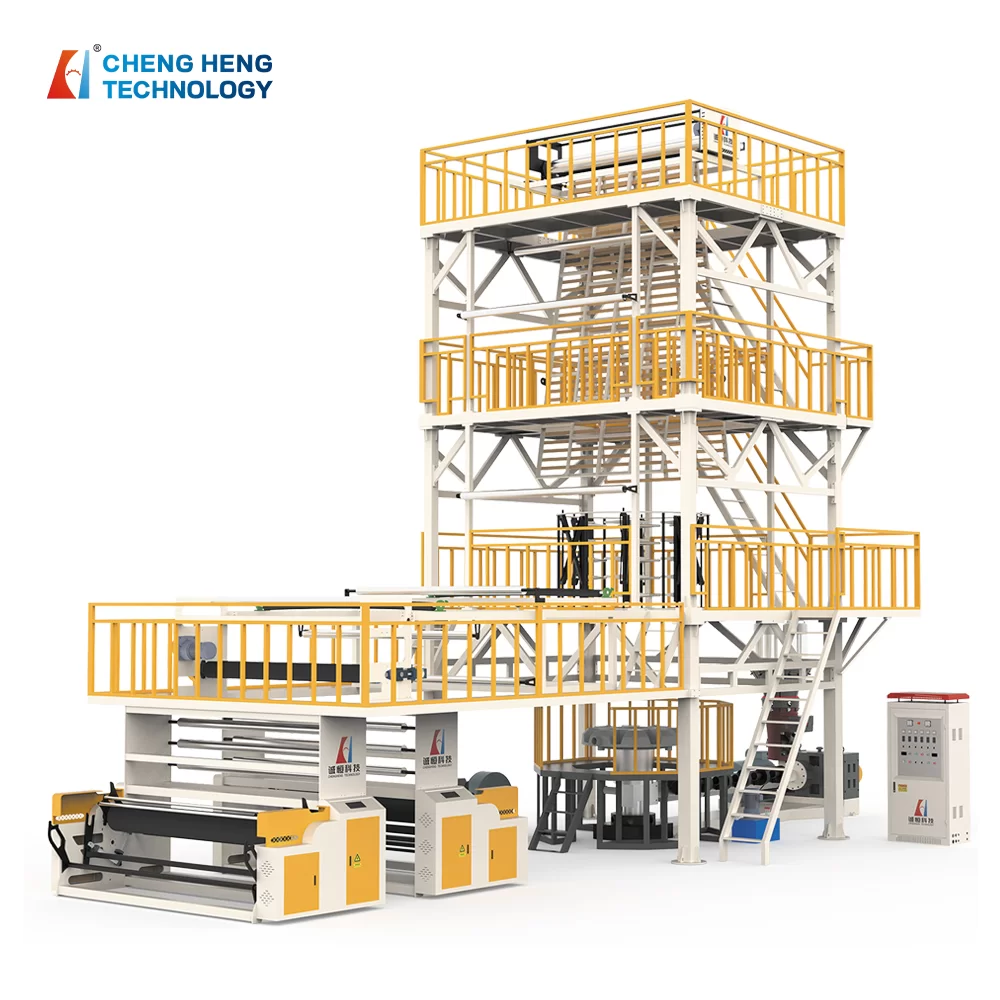
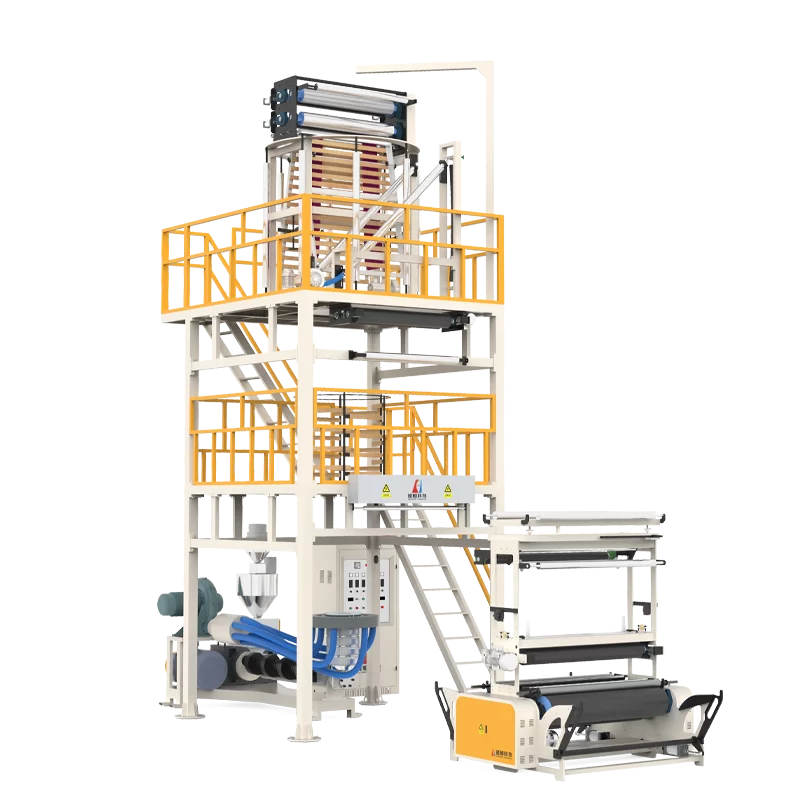
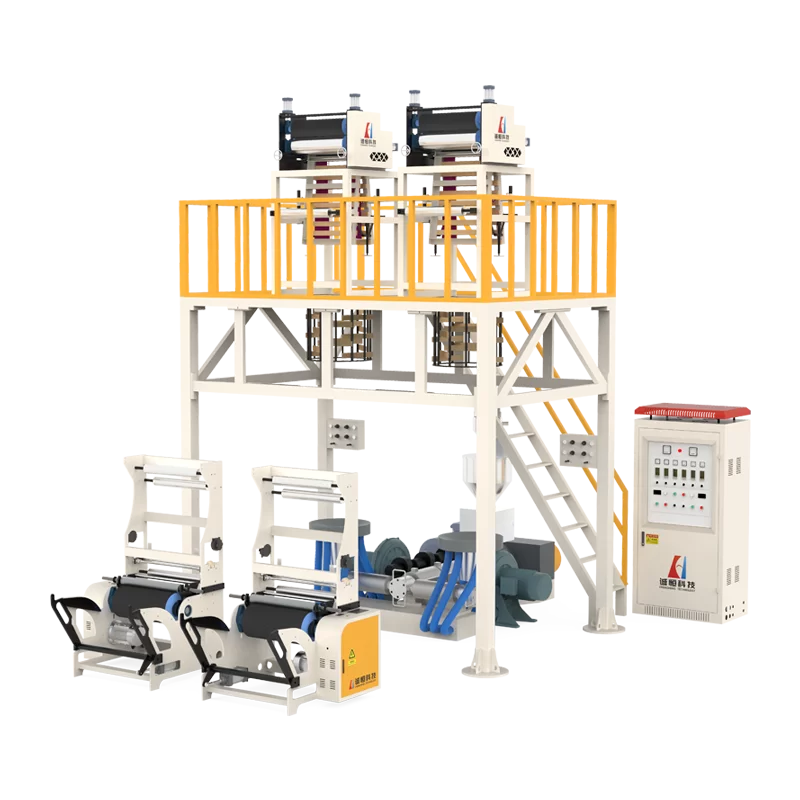
Advanced blown film production line Solutions for Australia

High-efficiency plastic processing technology tailored for the rigorous demands of the Australian industrial packaging market.

Advanced blown film production line Solutions for Australia

Integrating precision engineering with sustainable output, our systems optimize the entire plastic extrusion process for Australian manufacturers seeking superior film strength and clarity.

Current State of Plastic Film Manufacturing in Australia

Navigating the balance between industrial growth and environmental regulations in Oceania.

The Australian market is currently experiencing a shift toward high-performance materials. With a strong focus on agricultural and food preservation, the demand for a reliable film blowing machine has surged to meet the needs of specialized shrink wraps and heavy-duty liners that can withstand Australia's diverse climatic zones.

Strict environmental mandates from the Australian government regarding single-use plastics have forced a transition. Manufacturers are now upgrading their blown film extrusion machine setups to handle biodegradable polymers and recycled resins without compromising the mechanical properties of the resulting film.

Geographically, the concentration of manufacturing in New South Wales and Victoria requires equipment that offers high uptime and remote diagnostic capabilities, as the vast distances make immediate on-site technical support a logistical challenge for local operators.
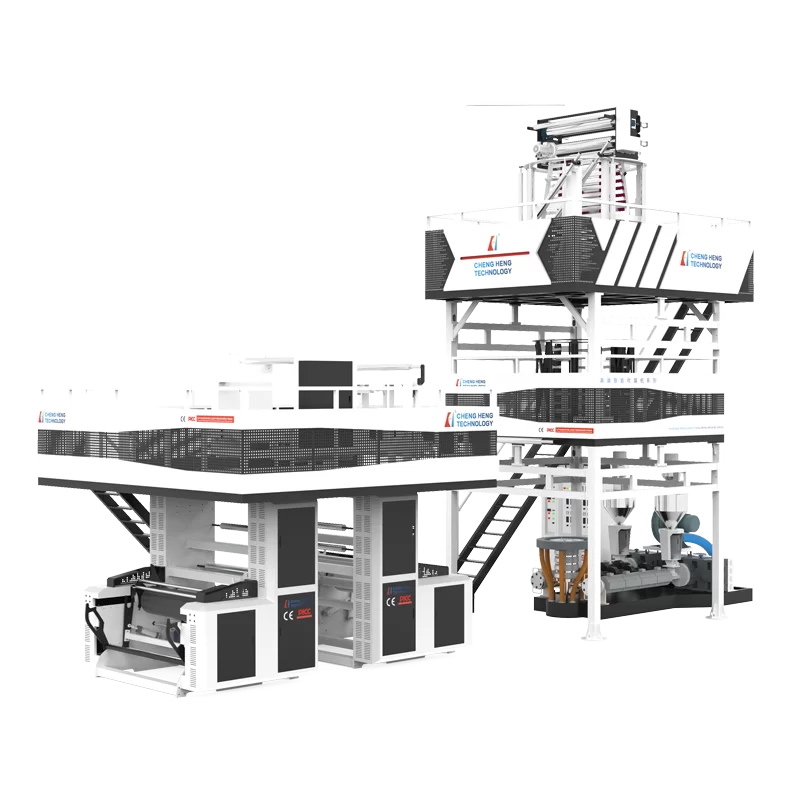
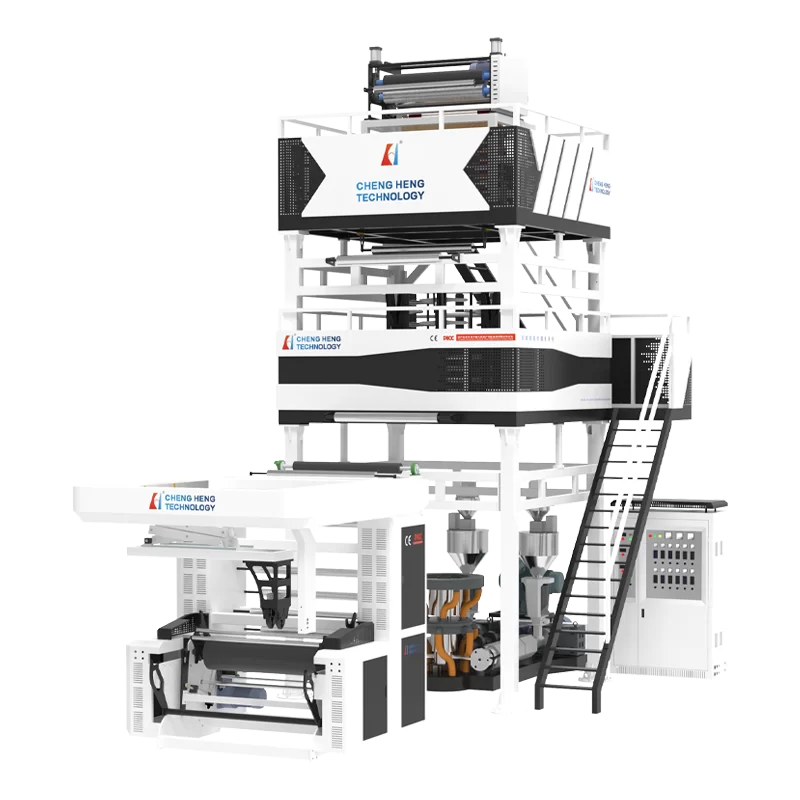
Evolution of Blown Film Technology in Australia

From basic extrusion to smart, automated production systems.

Market Development History

In the early 2000s, the Australian industry relied on basic blown film line systems that focused purely on volume. These machines lacked precise thickness control, leading to significant material waste in the production of commodity bags.

Between 2010 and 2020, the integration of PLC controls and automated bubble stability systems transformed the landscape. The introduction of multi-layer co-extrusion allowed Australian firms to produce barrier films, enhancing the shelf life of perishables exported globally.

Recently, the focus has shifted toward "Industry 4.0." Modern installations now prioritize energy-efficient motors and precision melt pumps, ensuring that every lown film machine (low-density film system) operates with minimal carbon footprint.

Future Development Trends

Biodegradable Material Integration

The shift toward PLA and PBAT resins will require specialized screw designs to prevent degradation during the melting phase.

AI-Driven Quality Monitoring

Real-time thickness scanning and automatic adjustment loops will reduce scrap rates to nearly zero.

Ultra-High Efficiency Cooling

Advanced air-ring technology will be implemented to increase production speeds while maintaining bubble stability in hot Australian summers.

Industry Outlook and Strategic Future

Predicting the trajectory of plastic processing in the Australian market.

Circular Economy Adoption
Increasing use of PCR (Post-Consumer Recycled) resins in film production to meet Australian sustainability goals.
Energy Optimization
Implementing high-efficiency heating elements and inverter-driven motors to lower electricity costs in Australian factories.
Smart Automation
Transitioning toward fully autonomous lines with cloud-based monitoring for remote site management across Australia.
Material Specialization
Growth in multi-layer films for the medical and specialized agricultural sectors in Oceania.

Industry Outlook

Based on Google search trends in Australia, there is a rising interest in "sustainable packaging machinery." We expect that the next 3-5 years will see a massive decommissioning of older, inefficient lines in favor of high-precision extrusion systems that support thin-gauge film production.

Furthermore, the integration of IoT will allow Australian manufacturers to synchronize their production lines with real-time demand, reducing inventory overhead and enhancing the agility of the plastic processing supply chain.

Localized Application Scenarios in Australia

Real-world implementation of our technology in the Australian industrial landscape.

01. Agricultural Silage Film Production

Utilizing our high-strength blown film line to produce UV-stabilized stretch films for hay wrapping in rural Queensland, ensuring crop protection against harsh sunlight.

02. Gourmet Food Packaging in Melbourne

Implementing high-clarity extrusion systems to produce food-grade wraps that maintain freshness for high-end organic produce markets in Victoria.

03. Industrial Waste Liners for Sydney

Deploying heavy-duty extrusion lines for the manufacturing of puncture-resistant waste bags used in urban construction and waste management across NSW.

04. E-commerce Shipping Pouches

Setting up automated lines to produce lightweight, durable mailing bags to support the booming Australian online retail sector.

05. Medical Grade Protective Films

Using precision-controlled machines to produce sterile, non-toxic packaging films for the medical device industry in South Australia.

Brand Story

Global Development History of Maqi Intelligent Technology Hebei Co., Ltd.

Founding Vision

Established with a mission to solve the inefficiency of traditional plastic extrusion, Maqi focused on precision engineering and energy reduction from day one.

Technological Breakthrough

We developed a proprietary screw design that significantly improved the homogenization of recycled resins, reducing film defects for our global clients.

Market Expansion

Expanding beyond Asia, we entered the Oceania market, tailoring our machines to meet the strict safety and environmental standards of Australia.

Digital Transformation

Integrating AI and IoT into our hardware, we transitioned from selling machines to providing complete, smart production ecosystems.

Sustainable Future

Today, we lead the industry in biodegradable film technology, empowering manufacturers to produce eco-friendly packaging without sacrificing quality.

Complete Product Portfolio for the Australian Market

A comprehensive range of extrusion solutions designed for versatility and high output.

Frequently Asked Questions for Australian Operators

Expert answers to the most common technical and operational queries in the region.

How do I select the right blown film extrusion machine for biodegradable resins?

You need a machine with a specialized screw and barrel design that ensures low-shear melting to prevent the thermal degradation of PLA/PBAT materials, which are common in the Australian eco-market.

What is the average energy consumption of a modern blown film production line?

Our latest lines utilize energy-saving heating elements and AC motors with frequency converters, reducing power consumption by up to 30% compared to legacy systems.

Can a film blowing machine be customized for ultra-thin gauge production?

Yes, we offer high-precision air rings and advanced bubble control systems that allow for stable production of very thin films without sacrificing tensile strength.

What maintenance is required for a blown film line in high-temperature environments?

In hot regions of Australia, we recommend enhanced cooling systems for the electrical cabinets and regular lubrication of the take-up rollers to prevent overheating.

How does a lown film machine differ from standard HDPE lines?

Low-density (LDPE/LLDPE) lines are optimized for higher clarity and flexibility, utilizing different screw compression ratios than those used for high-density (HDPE) bags.

Do your production lines comply with Australian electrical safety standards?

Absolutely. All our equipment is engineered to meet international safety benchmarks and can be customized to comply with specific Australian AS/NZS electrical standards.

Ready to Optimize Your Production?

Contact our engineering team today for a customized consultation on the best extrusion solutions for your facility in Australia.

Contact Us Now