In the evolving landscape of plastic packaging, the multilayer blown film machine represents a pinnacle of extrusion engineering, allowing manufacturers to combine different polymer properties into a single, high-performance film. By layering various resins, industries can achieve superior barrier properties, enhanced mechanical strength, and optimized optical clarity without relying on excessive material thickness.
The global shift toward sustainable packaging and the stringent requirements of the food and pharmaceutical sectors have accelerated the adoption of multilayer technology. As brands seek to reduce plastic waste while maintaining product shelf-life, the ability to precisely control layer distribution and thickness becomes a critical competitive advantage for modern production lines.
Understanding the technical nuances of a multilayer blown film machine is essential for operators and investors alike. From selecting the right number of layers—whether it be a Three Layer ABC configuration or a complex multi-layer setup—to managing temperature profiles, the right equipment ensures consistency, reduces scrap rates, and maximizes long-term ROI.
Global Market Dynamics of Multilayer Blown Film Machines
The global demand for advanced packaging is driving an unprecedented surge in the deployment of multilayer blown film machine systems. With the rise of e-commerce and the expanding frozen food market, there is a critical need for films that provide high puncture resistance and oxygen barriers. Statistics suggest that the shift from single-layer to multi-layer films is a direct response to ISO standards regarding food safety and the global push to minimize polymer volume.
However, the industry faces a paradox: the need for higher performance versus the mandate for recyclability. This challenge has forced manufacturers to innovate, moving toward "mono-material" multilayer structures that provide the functional benefits of multiple resins while remaining compatible with current recycling streams, thereby solving a major environmental bottleneck in the plastics industry.
Technical Definition and Industrial Significance
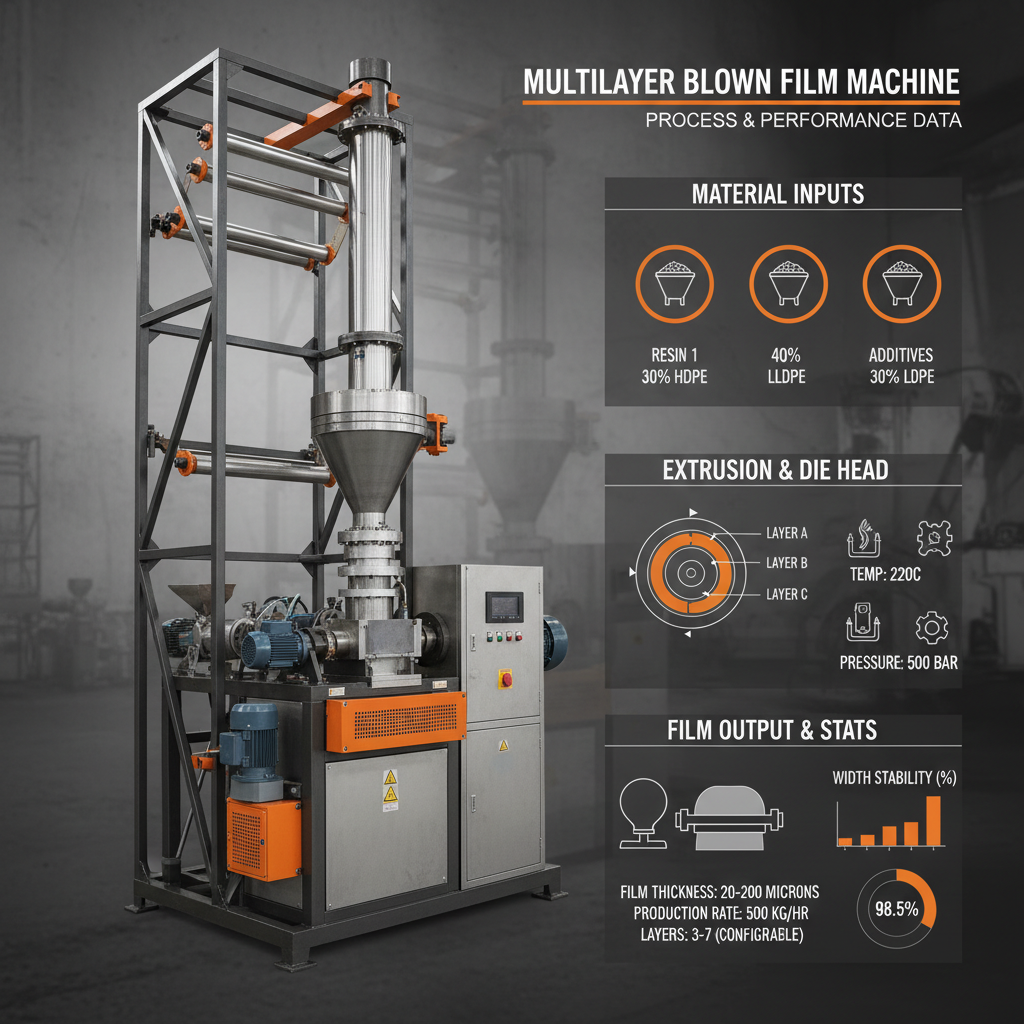
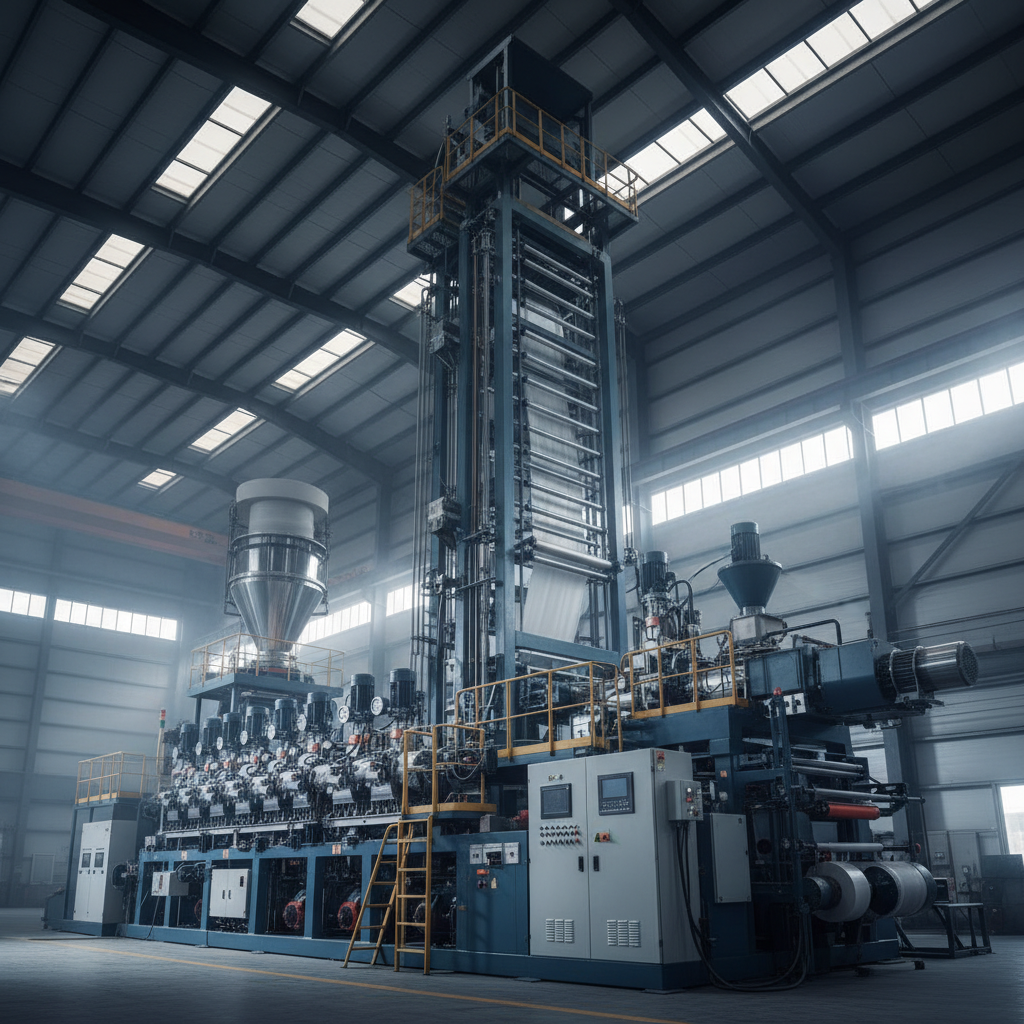
A multilayer blown film machine is a specialized extrusion system capable of processing two or more different polymers simultaneously, merging them through a complex die head to create a composite film. Unlike single-layer lines, these machines utilize multiple extruders to feed a shared die, allowing for the creation of a "sandwich" structure where each layer serves a specific purpose, such as a tie layer for adhesion or a barrier layer for gas prevention.
In the context of modern industry, this technology is the backbone of the high-barrier packaging sector. By integrating materials like EVOH or PA into a PE matrix, the machine produces films that significantly extend the shelf life of perishable goods. This not only reduces global food waste—a key goal of the UN Sustainable Development Goals—but also lowers the logistical costs associated with refrigeration and frequent restocking.
The significance extends beyond just the material; it is about the precision of the process. The ability to control the thickness of a micron-level layer determines the transparency and strength of the final product. Consequently, the adoption of these machines marks a transition from commodity plastic production to high-value material engineering.
Core Components for High-Precision Extrusion
The heart of a multilayer blown film machine lies in its multi-extruder configuration. Each extruder is independently controlled to ensure that the specific melting temperature of each polymer—be it LDPE, LLDPE, or HDPE—is maintained with surgical precision, preventing degradation and ensuring a homogenous melt.
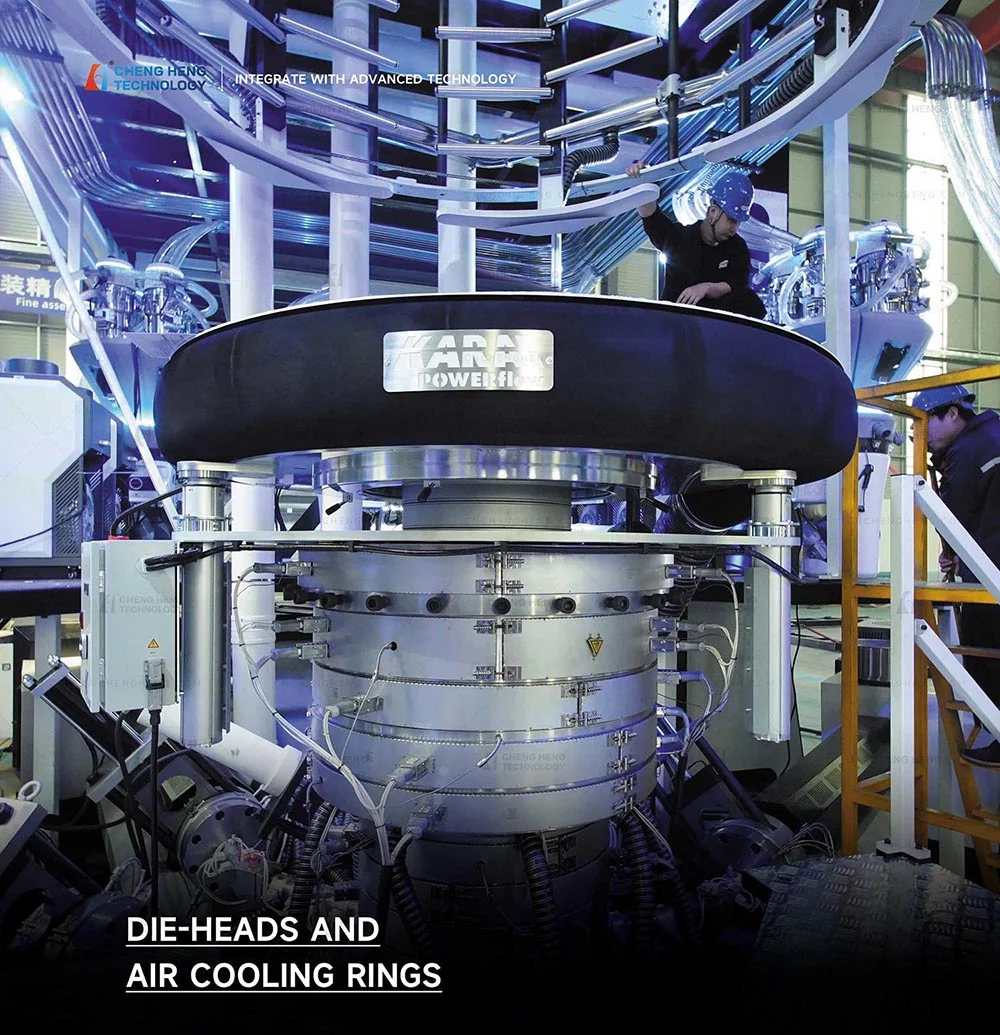
Equally critical is the co-extrusion die head, where the separate melt streams are combined. The design of the spiral mandrel is essential to eliminate "weld lines" or streaks in the film. High-end multilayer blown film machine models use advanced flow distribution channels to ensure that the layers remain parallel and uniform across the entire circumference of the bubble.
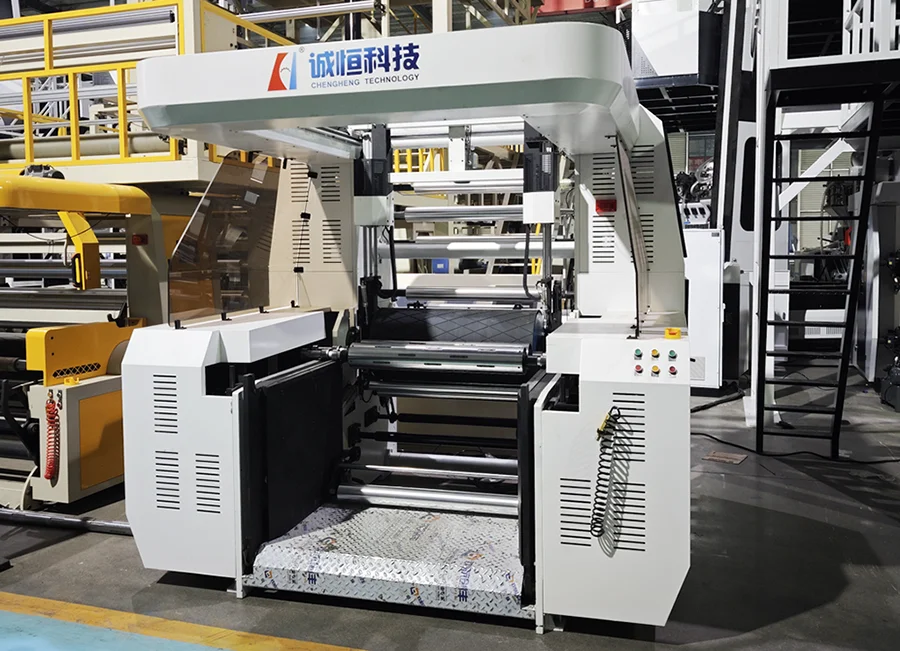
Finally, the air ring and cooling system determine the crystalline structure of the film. By controlling the "frost line" position, operators can manipulate the film's clarity and stiffness. In a multilayer setup, the cooling must be perfectly balanced to avoid internal stresses between layers of different thermal contraction rates, which would otherwise lead to warping or delamination.
Performance Metrics and Efficiency Factors
Evaluating the efficiency of a multilayer blown film machine requires looking beyond simple output kilograms per hour. Key performance indicators (KPIs) include the gauge variation across the bubble, the stability of the blow-up ratio (BUR), and the energy consumption per unit of finished film. High-efficiency lines minimize the "startup scrap" period, reaching stable production faster through automated temperature ramping.
Furthermore, the integration of gravimetric dosing systems has revolutionized how materials are fed. By precisely weighing the resin entering each extruder, the machine can maintain a consistent layer ratio even during fluctuations in raw material viscosity, ensuring that the barrier properties remain uniform across kilometers of produced film.
Comparative Efficiency of Multilayer Blown Film Machine Configurations
Global Applications and Sector Use Cases
The versatility of the multilayer blown film machine makes it indispensable across diverse sectors. In the food industry, it is used to create vacuum packaging for meats and cheeses, where a specialized oxygen-barrier layer prevents spoilage. In the agricultural sector, multi-layer greenhouse films are produced to allow specific light spectrums through while blocking UV radiation and retaining heat, significantly increasing crop yields in arid regions.
Beyond commercial goods, these machines play a vital role in industrial safety and hygiene. For instance, in medical-grade packaging, a multilayer approach ensures that the film is sterile, tear-resistant, and impermeable to contaminants. Even in remote industrial zones or post-disaster relief operations, the ability to produce heavy-duty, multi-layered geomembranes for water containment or temporary shelters showcases the humanitarian value of this technology.
Long-Term Value and Sustainability Gains
Investing in a high-quality multilayer blown film machine offers substantial long-term economic value through "down-gauging." Down-gauging is the process of reducing the overall thickness of the film without sacrificing its protective properties. By using a high-performance multilayer structure, manufacturers can achieve the same strength with 30% less plastic, directly reducing raw material costs and the environmental footprint.
From a brand perspective, the reliability of multilayer films fosters trust. When a product arrives in perfect condition due to superior barrier properties, it reflects the quality of the brand. The emotional angle of "safety" is paramount in infant formula or pharmaceutical packaging, where a failure in the film layer could be catastrophic. This makes the precision of the extrusion process a matter of consumer dignity and safety.
Moreover, the move toward "Circular Economy" principles is being integrated into machine design. Modern lines are now optimized to handle PCR (Post-Consumer Recycled) resins in the middle layers, while maintaining virgin resin on the outer layers for food contact safety. This hybrid approach allows companies to meet sustainability targets without compromising on hygiene or performance.
Future Innovations in Film Blowing Technology
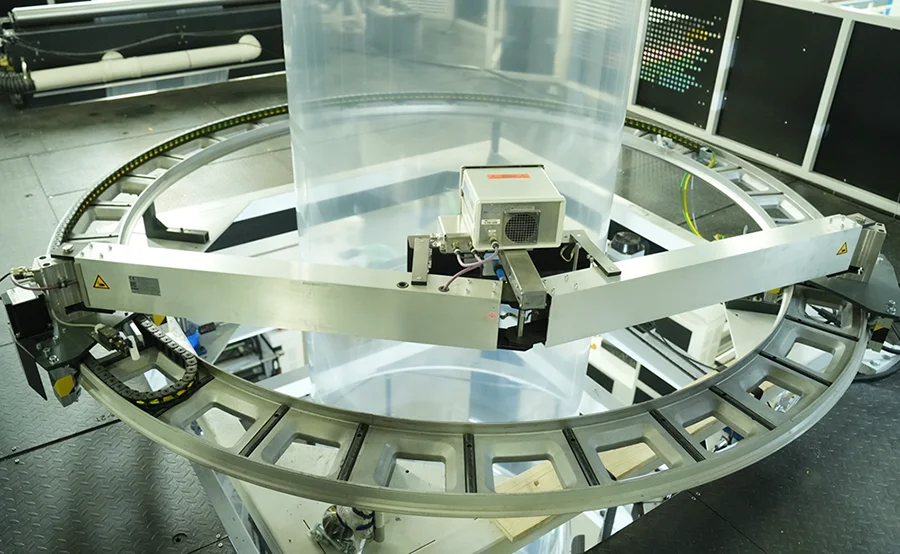
The future of the multilayer blown film machine is being shaped by Industry 4.0. We are seeing the integration of AI-driven closed-loop control systems that monitor film thickness in real-time via ultrasonic sensors and automatically adjust the air ring or extruder speed to correct deviations. This "self-healing" production line eliminates human error and dramatically reduces waste.
Material science is also evolving, with the introduction of biodegradable polymers like PLA and PBAT into multilayer structures. The challenge lies in the differing melt temperatures of these bio-plastics compared to traditional PE, requiring the next generation of machines to have more flexible and precise heating zones to prevent material degradation during co-extrusion.
Digital twins are another burgeoning trend, allowing engineers to simulate the flow of different resins through the die head before the machine is even built. This reduces the commissioning time and ensures that the multilayer blown film machine is perfectly optimized for the specific resin combination the client intends to use.
Comparison of Technology Trends in Multilayer Extrusion
| Innovation Axis |
Traditional Approach |
Modern AI Integration |
Expected Impact |
| Thickness Control |
Manual Sampling |
Real-time Ultrasonic |
99% Consistency |
| Material Feeding |
Volumetric Hoppers |
Gravimetric Dosing |
Zero Layer Drift |
| Sustainability |
Virgin Polymers Only |
PCR Middle Layers |
Eco-Compliance |
| Energy Use |
Constant Heating |
Induction Heating |
-20% Power Cost |
| Die Design |
Standard Spiral |
CFD-Optimized Flow |
No Weld Lines |
| Operation |
Operator-Dependent |
Autonomous Control |
Reduced Labor |
FAQS
The primary advantage is the ability to combine materials with different properties. While a single layer machine uses one resin, a multilayer machine can layer a strength-providing resin, a barrier resin (like EVOH), and a sealant resin. This allows for the production of thinner, stronger, and more protective films, reducing overall material usage while increasing product shelf-life.
The choice depends on your target application. A 3-layer (ABC) machine is ideal for general packaging and basic barrier needs. A 5-layer machine allows for a more complex structure, such as adding a dedicated tie layer and a higher-performance barrier layer, which is necessary for high-end food packaging or medical applications where gas permeability must be extremely low.
Yes, and that is one of its greatest strengths. You can utilize Post-Consumer Recycled (PCR) resin in the center layer(s) of the film, while keeping virgin resin on the outer layers. This ensures the film remains food-safe and maintains a high-quality surface finish while significantly increasing the recycled content of the final product.
Weld lines occur when the molten polymer streams meet at the die exit and fail to blend perfectly. This is usually a result of poor die design. High-quality multilayer blown film machines use spiral mandrel distributors that ensure the melt is spread evenly and circumferentially, effectively eliminating these visual and structural defects.
Down-gauging is achieved by replacing a thick layer of a standard resin with a very thin layer of a high-performance barrier resin. Because the barrier resin is exponentially more effective at stopping oxygen or moisture, the overall thickness of the film can be reduced by 20-40% without losing its protective qualities, leading to huge material savings.
It is more complex than a single-layer line due to the multiple extruders and temperature zones. However, modern machines come with PLC-based control systems and automated dosing that simplify the process. Training on the specific interaction between the layers is the most important part of the learning curve for operators.
Conclusion
The multilayer blown film machine is far more than a piece of industrial hardware; it is a sophisticated tool for material optimization. By allowing the strategic combination of polymers, it addresses the critical global need for high-performance packaging that balances durability, safety, and resource efficiency. From the precision of the spiral die to the integration of AI-driven controls, every aspect of the machine is designed to push the boundaries of what plastic film can achieve.
As we move toward a more sustainable industrial future, the role of multilayer technology will only expand. The ability to integrate recycled materials without sacrificing quality and the drive toward thinner, more efficient films make these machines an essential investment for any forward-thinking manufacturer. We encourage you to explore how the right extrusion technology can transform your production efficiency and product quality. Visit our website: www.cnchsj.com