Manufacturing surveys released by S&P Global and other research organizations indicate that AI-related investment continues to stimulate production across Asia.
China, Japan, and South Korea all recorded manufacturing expansion in June, supported by strong demand for chips, computers, and other AI-enabled products. Companies also increased inventory levels in anticipation of possible supply disruptions linked to geopolitical uncertainty.
This wave of investment extends beyond semiconductor fabrication. As AI infrastructure expands globally, demand is increasing for a wide range of industrial products, including electrical components, precision machinery, automation systems, packaging materials, and engineering plastics.
For many manufacturing businesses, AI has become an important source of new industrial demand rather than simply a software innovation.
The rapid expansion of AI infrastructure is also generating indirect opportunities for the plastics industry.
Data centers, semiconductor manufacturing facilities, electronic equipment, and precision instruments require extensive use of protective films, industrial packaging materials, anti-static packaging, stretch films, and transportation packaging.
As production volumes increase, manufacturers supplying these industries are seeking packaging solutions that offer:
High dimensional stability
Consistent film thickness
Excellent sealing performance
Reliable mechanical strength
Efficient large-scale production
These requirements are encouraging packaging producers to modernize their manufacturing capabilities while maintaining high product consistency.
Although demand remains strong, Reuters noted that manufacturers continue to face higher raw material costs, shipping delays, and extended supplier lead times resulting from geopolitical tensions.
For plastic film manufacturers, these pressures reinforce the importance of improving operational efficiency.
Rather than relying solely on lower resin prices, many producers are investing in technologies that can help reduce production costs through better process control and lower material consumption.
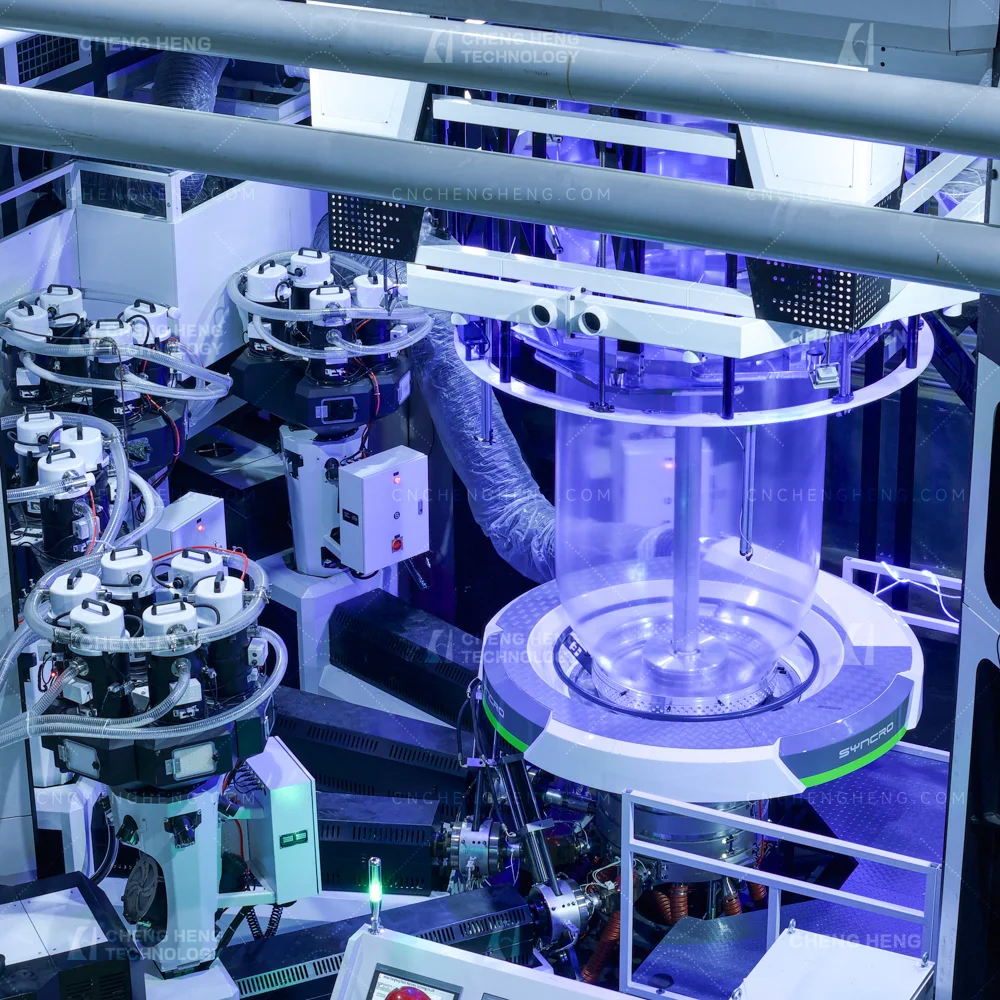
Advanced manufacturing technologies—including automatic air ring systems, online thickness measurement, intelligent process monitoring, and automated profile control—are enabling producers to achieve greater production stability while minimizing waste.
One of the most significant aspects of the current AI investment cycle is that its impact extends well beyond semiconductor manufacturing.
Industrial sectors traditionally viewed as "conventional manufacturing" are increasingly adopting AI-supported technologies for:
Predictive maintenance
Production scheduling
Quality inspection
Process optimization
Energy management
Supply chain planning
In plastics processing, AI-assisted systems can analyze thousands of production data points in real time, helping operators maintain stable extrusion conditions and reduce process variability.
As digital manufacturing technologies mature, AI is expected to become an integral component of future blown film production lines.
For blown film manufacturers, the current global manufacturing environment presents both challenges and opportunities.
On one hand, fluctuations in raw material prices, transportation costs, and geopolitical risks require greater operational flexibility.
On the other hand, growing demand from electronics, data center construction, logistics, and advanced manufacturing creates new market opportunities for high-quality plastic films.
Manufacturers capable of delivering stable product quality, efficient material utilization, and intelligent production management are likely to strengthen their competitive position in both domestic and international markets.
Investment in automation and digital process control is therefore becoming not only a productivity improvement strategy but also an important long-term business decision.
Industry analysts expect global AI investment to remain one of the strongest drivers of manufacturing growth during the coming years.
As AI infrastructure continues expanding worldwide, demand for industrial equipment, engineering materials, and advanced packaging solutions is also expected to increase.
For plastic film producers, adapting to this transformation means embracing intelligent manufacturing technologies that improve production efficiency while supporting higher quality standards and more sustainable operations.
Companies capable of combining engineering expertise with digital innovation will be well positioned to meet the evolving needs of global manufacturing customers.
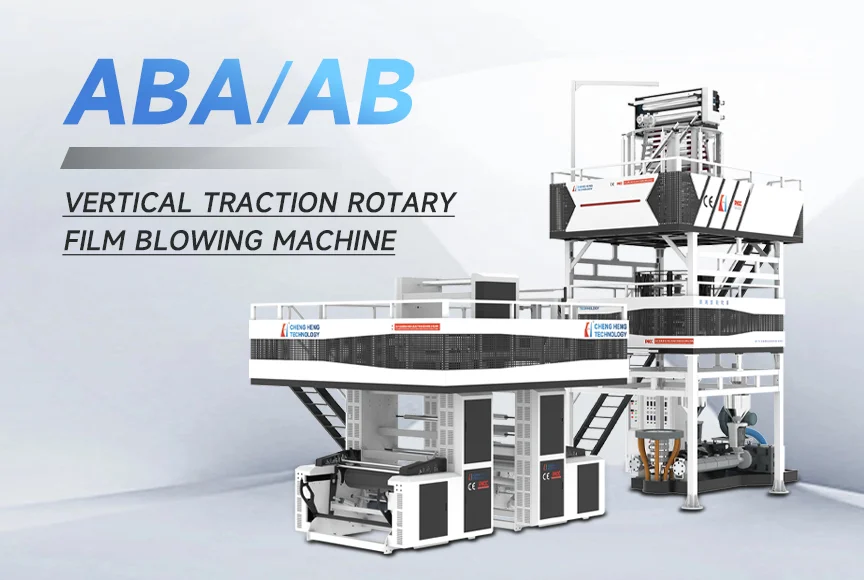
Hebei Chengheng Plastic Machinery Technology Co., Ltd. specializes in the research, development, and manufacturing of blown film extrusion equipment, automatic air ring systems, online thickness measurement systems, and intelligent process control solutions.
Committed to continuous innovation, the company provides advanced technologies that help plastic film manufacturers improve product quality, reduce material waste, enhance production efficiency, and support the transition toward smart manufacturing.
Reuters. Factory activity was strong in June despite war-driven cost pressures, PMIs show. Published July 1, 2026.
Reuters. Global AI wave revs up Asian factories, offsetting war-induced pain. Published July 1, 2026.
S&P Global Manufacturing PMI data referenced in the Reuters report.