The modern packaging landscape is undergoing a seismic shift toward high-performance materials, and at the heart of this evolution is the multi layer blown film machine. By allowing manufacturers to combine different polymers into a single, cohesive film, these systems unlock properties that are physically impossible to achieve with single-layer extrusion, such as superior oxygen barriers and enhanced puncture resistance.
Globally, the demand for specialized packaging in the food, medical, and industrial sectors has pushed the industry beyond basic plastic sheets. A multi layer blown film machine provides the precision needed to engineer "functional" films, where each layer serves a specific purpose—from the outer seal layer to the internal barrier and the structural core.
Understanding the technical nuances of these machines is not just about increasing output; it is about sustainability and cost-efficiency. By optimizing the material composition through a multi layer blown film machine, companies can reduce the overall volume of plastic used while maintaining or even improving the protective qualities of the final product.
The global flexible packaging market is expanding rapidly, driven by the necessity for longer shelf lives and reduced food waste. According to industry standards aligned with ISO quality benchmarks, the shift toward a multi layer blown film machine has become a strategic imperative for manufacturers aiming to compete in international markets where regulatory requirements for barrier properties are stringent.
One of the primary challenges the industry faced was the reliance on heavy, single-material plastics that lacked specific protective properties. The introduction of multi-layer technology allows for the integration of EVOH or PA layers, which drastically reduce oxygen permeability, thereby solving the critical problem of perishable goods spoilage during long-distance shipping.
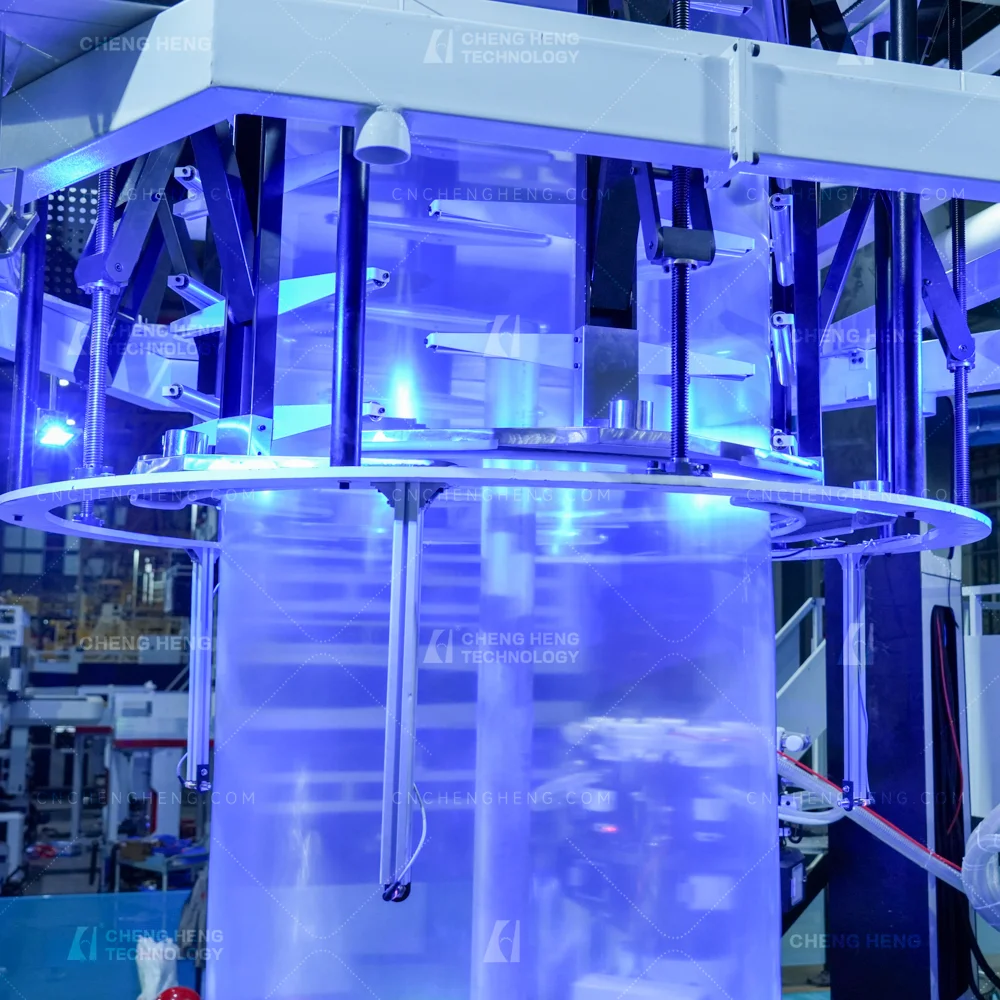
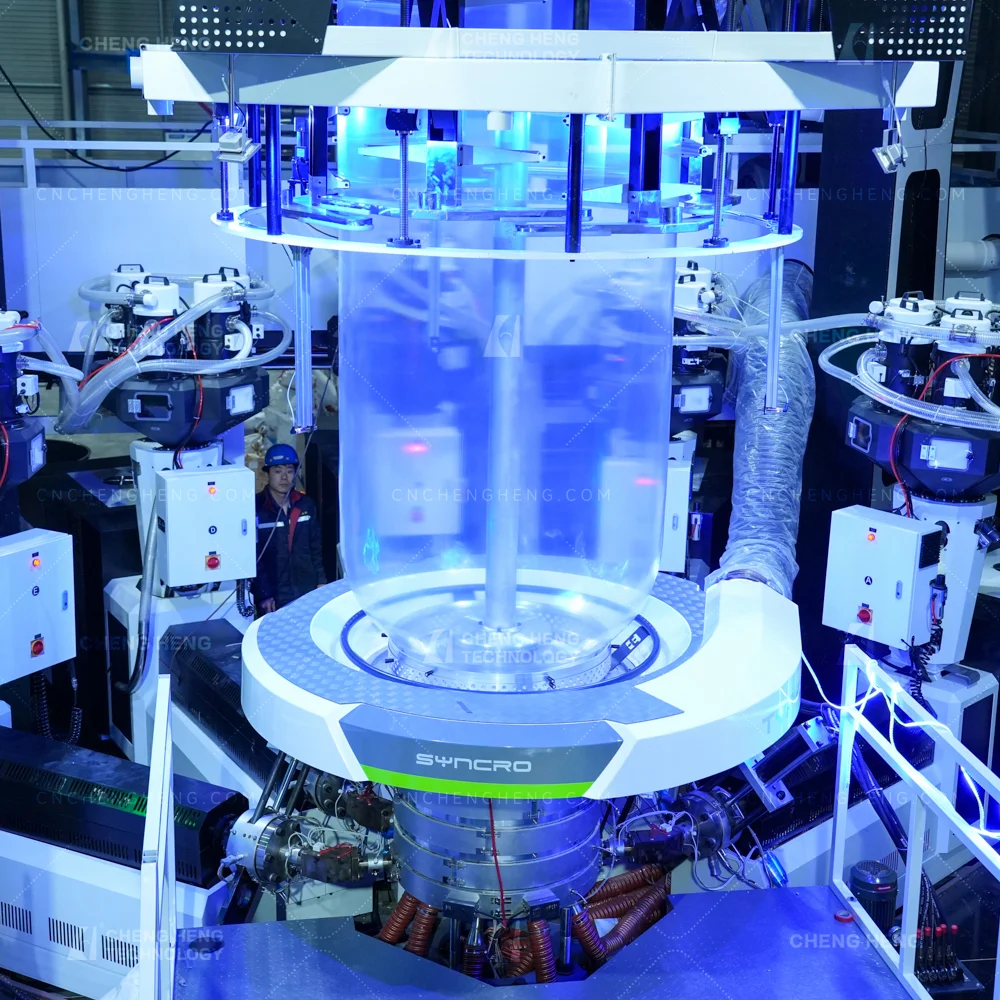
In simple terms, a multi layer blown film machine is an industrial extrusion system that melts and combines multiple different resins through separate extruders, merging them into a single tube of plastic (the "bubble") that is then cooled and flattened. Unlike single-layer machines, this process creates a complex "sandwich" structure of polymers.
This technology connects directly to modern humanitarian and industrial needs by enabling the creation of lightweight yet incredibly strong packaging. For instance, in pharmaceutical packaging, the ability to create a multi-layer shield prevents contamination and ensures that life-saving medications remain stable under varying climatic conditions.
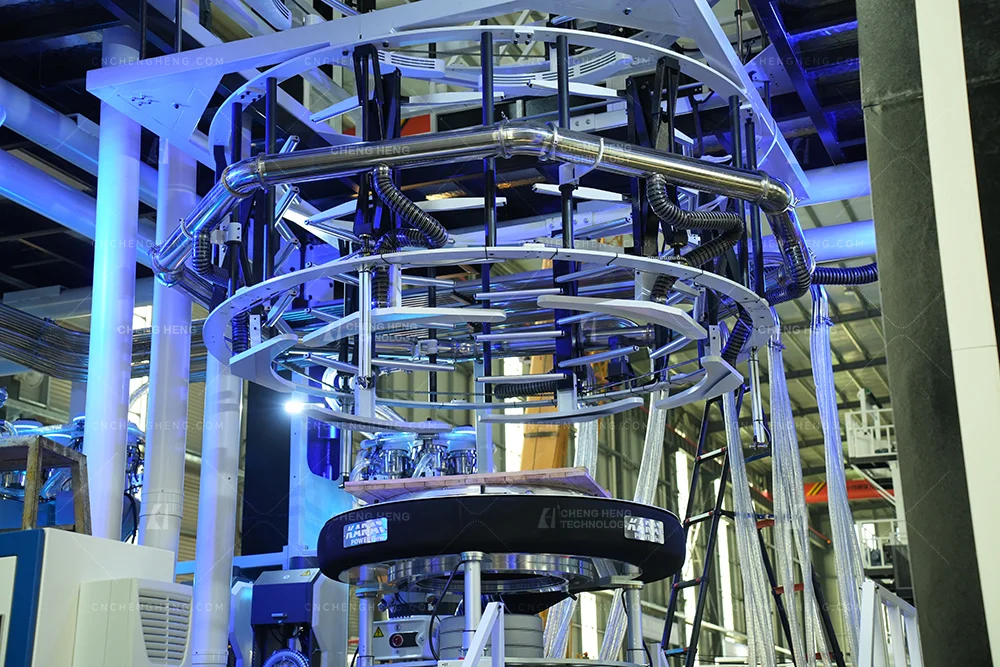
From a technical standpoint, the magic happens in the co-extrusion die, where the different molten streams are carefully layered without mixing. This ensures that the final film possesses the chemical resistance of one material, the clarity of another, and the strength of a third, all within a thickness of just a few microns.
The primary driver of success for any multi layer blown film machine is the precision of its extruder systems. High-torque screws and advanced heating zones ensure that each polymer layer is melted to its exact required temperature, preventing degradation and ensuring a seamless bond between layers.
Another critical factor is the stability of the air ring and the bubble control system. Because a multi layer blown film machine handles multiple materials with different cooling rates, precise air distribution is essential to prevent "gauge variation," which would otherwise lead to inconsistent film thickness and potential product failure.
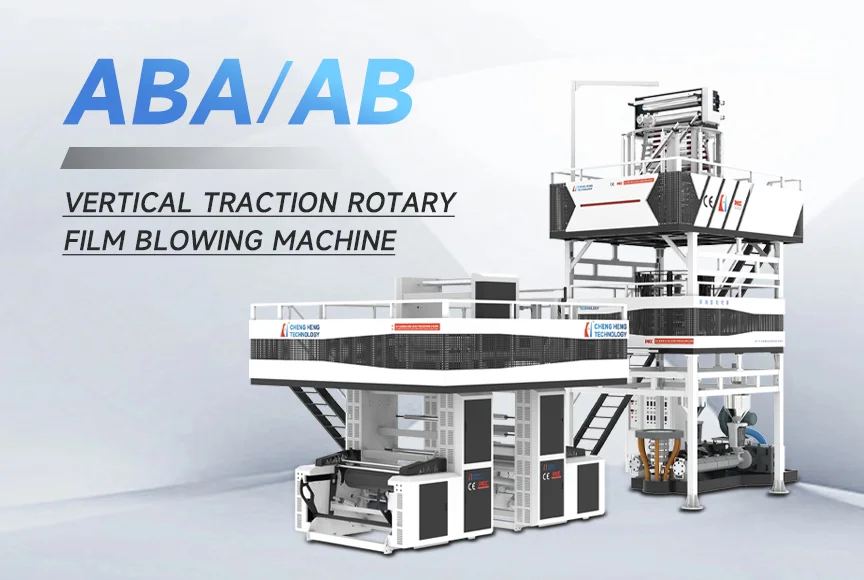
Finally, scalability and automation play a massive role in operational cost-efficiency. Modern systems integrate PLC controls that allow operators to adjust layer ratios in real-time, meaning a manufacturer can switch from a 3-layer ABC structure to a more complex arrangement without extensive downtime, maximizing the ROI of the equipment.
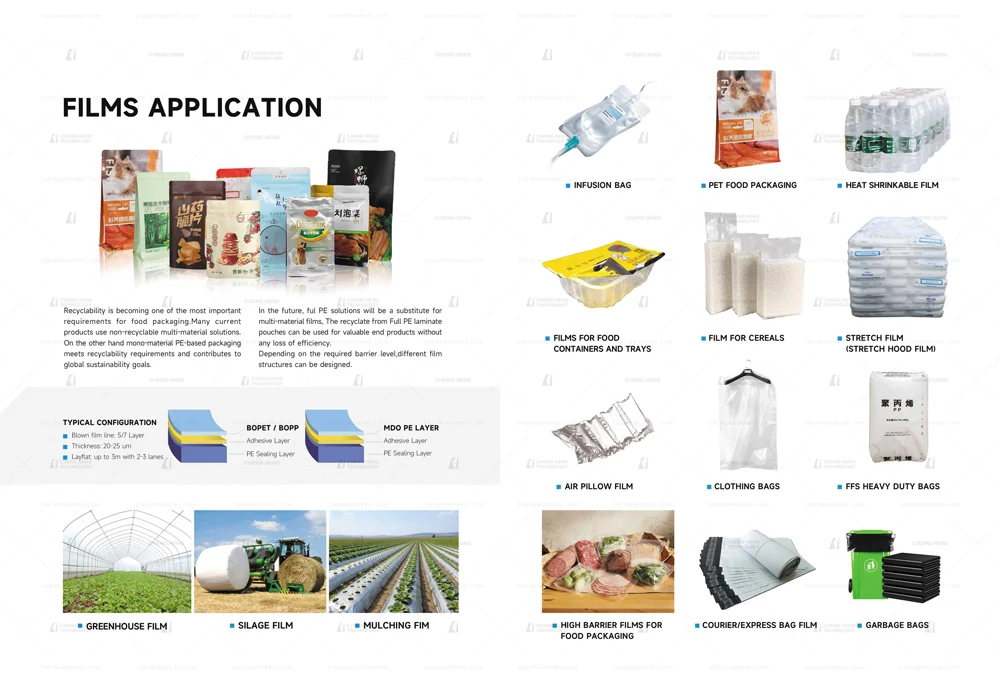
The versatility of the multi layer blown film machine is evident across diverse industries. In the agricultural sector, these machines produce specialized mulch films that regulate soil temperature and prevent moisture loss, significantly increasing crop yields in arid regions of Africa and Central Asia.
In high-stakes environments, such as post-disaster relief operations, multi-layer films are used to create heavy-duty, waterproof containment bags for emergency medical supplies and food rations. These films provide the necessary puncture resistance to withstand rough handling in remote industrial zones or disaster-stricken areas.
Investing in a multi layer blown film machine offers profound long-term value by enabling "down-gauging." This is the process of reducing the overall thickness of the film without sacrificing strength, which directly translates to lower raw material costs and a smaller carbon footprint during transport.
Beyond the logic of cost, there is an emotional angle of trust and safety. When a consumer buys a vacuum-sealed product, they trust that the packaging has kept the contents sterile and fresh. The reliability provided by a high-quality multi layer blown film machine ensures this trust is maintained, protecting brand reputation and public health.
The future of the multi layer blown film machine is intrinsically linked to the circular economy. We are seeing a surge in the development of machines capable of processing biodegradable polymers (like PLA or PBAT) alongside traditional resins, allowing for the creation of compostable multi-layer films.
Digital transformation is also reshaping the factory floor. Integration with Industry 4.0 means that the next generation of multi layer blown film machine systems will feature AI-driven predictive maintenance, identifying potential screw wear or heater failure before they cause costly unplanned downtime.
Automation in layer ratio control is becoming more granular. Future systems will likely utilize closed-loop sensor feedback to adjust the thickness of individual layers in milliseconds, ensuring absolute uniformity and eliminating material waste during the start-up phase of production.
One of the most persistent challenges with a multi layer blown film machine is "interlayer delamination," where the different plastic layers fail to bond, causing the film to peel. This often stems from incompatible polymer polarities or incorrect melt temperatures at the point of convergence.
Expert solutions involve the use of "tie layers"—specialized adhesive resins that act as a chemical bridge between incompatible materials. By precisely controlling the flow of the tie layer through the multi layer blown film machine, engineers can create an unbreakable bond that ensures structural integrity.
Another hurdle is the management of heat buildup in high-output lines. Advanced internal bubble cooling (IBC) systems are now being employed to rapidly remove heat from the center of the bubble, allowing for faster line speeds and better optical clarity in the final film.
| Machine Type | Layer Complexity | Barrier Score (1-10) | Primary Use Case |
|---|---|---|---|
| Single Layer Line | 1 Layer | 3 | Basic Garbage Bags |
| Double Layer Machine | 2 Layers | 5 | Simple Shopping Bags |
| Three Layer ABC Machine | 3 Layers | 7 | Food Packaging |
| 5-Layer Co-extrusion | 5 Layers | 9 | Medical Grade Film |
| 7-Layer High Barrier | 7 Layers | 10 | Vacuum Meat Packaging |
| Custom Multi-Layer | Variable | 8 | Industrial Liners |
The primary advantage is the ability to combine materials with different properties. While a single layer machine is limited to one resin, a multi layer blown film machine can integrate a strength layer, a barrier layer (like EVOH for oxygen protection), and a sealant layer. This results in a film that is thinner, stronger, and provides much better protection for the product inside, significantly extending shelf life.
Increasing the number of layers generally increases the initial equipment cost and operational complexity. However, it allows for "down-gauging," which reduces the amount of expensive resin needed per square meter. In terms of quality, more layers allow for more precise control over the film's physical properties, such as gloss, clarity, and gas permeability, making the final product higher in value.
Yes, modern multi layer blown film machines are designed to handle a wide range of resins, including PLA, PBAT, and other biodegradable polymers. The challenge usually lies in the different melting points of these materials. By using independent temperature control for each extruder, these machines can successfully co-extrude biodegradable layers with traditional polymers to create eco-friendly packaging.
Delamination occurs when the different polymer layers do not bond correctly, causing the film to split. This is prevented by using "tie layers"—specialized adhesive resins that are compatible with both the layers they are bonding. Ensuring correct melt temperatures and using a precision co-extrusion die are also critical factors in maintaining the structural integrity of the multi-layer film.
The choice depends on your target application. A 3-layer ABC machine is excellent for general-purpose packaging where a basic barrier is needed. If you are producing high-barrier films for frozen foods, medical supplies, or long-term storage where oxygen and moisture ingress must be near zero, a 5-layer or 7-layer machine is necessary to accommodate multiple barrier and tie layers.
Regular maintenance focuses on the extruder screws and the die head. Because multi-layer machines run multiple resins, avoiding cross-contamination during material changes is vital. Periodic cleaning of the die and monitoring of heater bands ensure consistent melt flow. Modern systems with PLC diagnostics can alert operators to deviations in temperature or pressure before they affect film quality.
The multi layer blown film machine represents the pinnacle of flexible packaging technology, bridging the gap between raw material efficiency and high-performance product protection. By mastering the art of co-extrusion, manufacturers can create films that are not only stronger and more durable but also significantly more sustainable through material reduction and the integration of biodegradable resins.
As the industry moves toward a greener, more automated future, the adoption of advanced multi-layer systems will be the deciding factor in operational competitiveness. We recommend that producers evaluate their specific barrier requirements and invest in scalable machinery to meet the evolving demands of the global market. Visit our website for professional solutions: www.cnchsj.com