On a global scale, the demand for flexible packaging has surged, driven largely by the e-commerce boom and the need for lightweight transport solutions. According to industry benchmarks and ISO standards for polymer processing, the blown film extrusion line has become the gold standard for producing polyethylene films due to its ability to create bubbles of varying diameters and thicknesses.
However, the industry faces a critical challenge: the tension between high-volume production and the global mandate for plastic waste reduction. Manufacturers are now pressured to integrate biodegradable resins and recycled materials into their lines without compromising the mechanical properties of the final film, necessitating a move toward more precise extrusion controls.
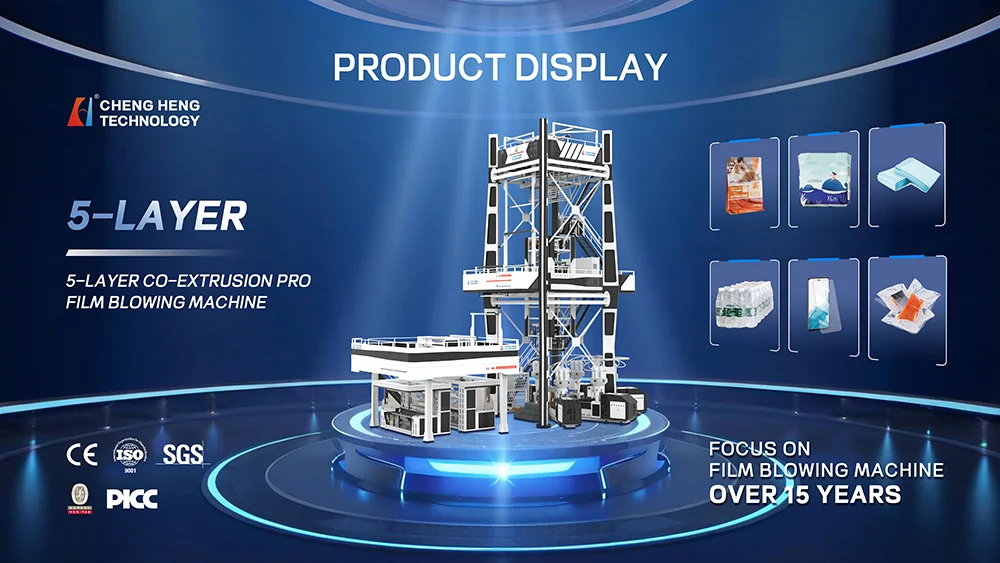
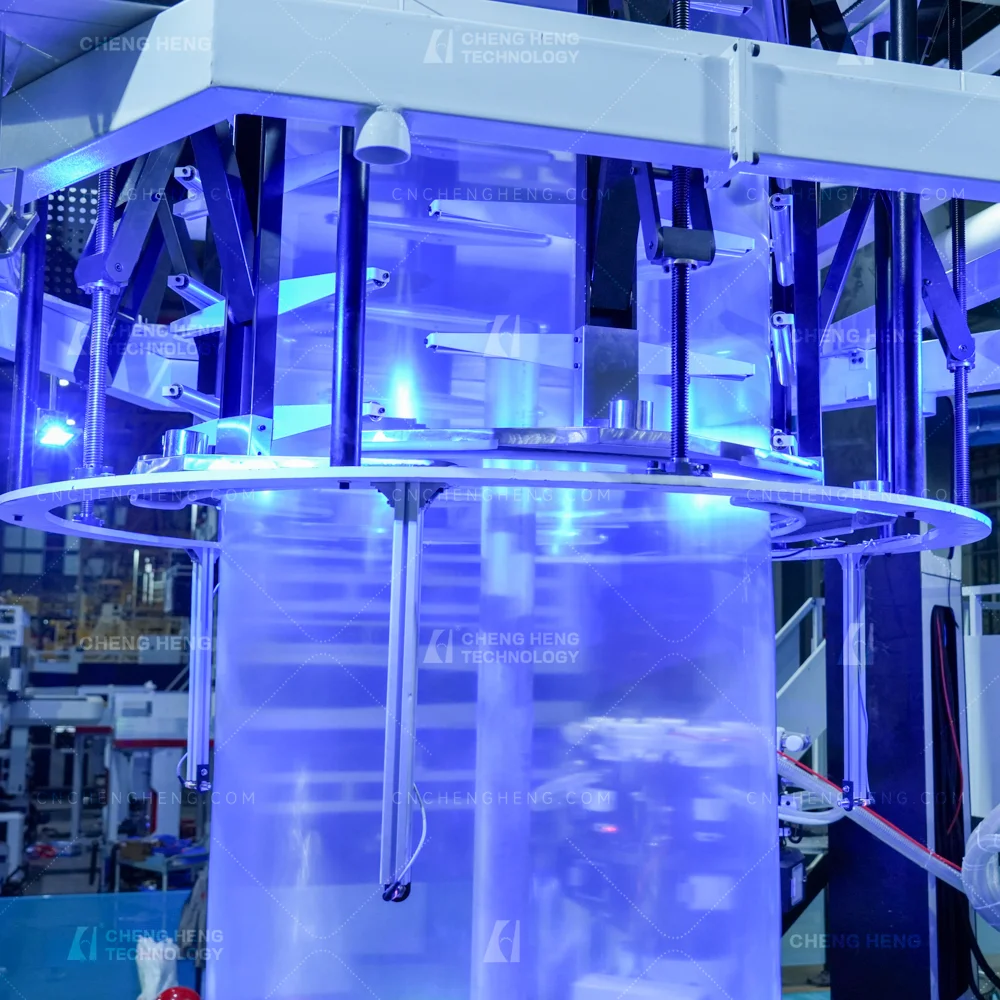
At its core, a blown film extrusion line is a sophisticated manufacturing system that melts plastic resin—typically LDPE, LLDPE, or HDPE—and forces it through a circular die. The molten plastic is then "blown" into a large vertical bubble using compressed air, which stretches the film both longitudinally and transversely. This biaxial orientation is what gives the resulting film its exceptional strength and puncture resistance.
This process is vital to modern industry because it allows for the creation of extremely thin yet robust membranes. From the perspective of humanitarian needs, this technology produces the sterilized packaging required for medical supplies and the heavy-duty liners used in emergency food distribution, making it a silent pillar of global health and logistics.
By adjusting the blow-up ratio (BUR) and the take-up speed, operators can fine-tune the film's physical properties. Whether the end goal is a crystal-clear wrap for retail or a matte, opaque layer for industrial construction, the flexibility of the blown film process ensures that specific material requirements are met with surgical precision.
To achieve consistent quality, every blown film extrusion line must prioritize the precision of its extruder screw. The screw design determines the homogenization of the melt; a well-engineered screw prevents "gels" or un-melted particles from appearing in the film, which would otherwise lead to structural weak points and high scrap rates.
The air ring is another critical element of the blown film extrusion line, as it controls the cooling rate of the bubble. Rapid, uniform cooling is essential to freeze the polymer chains in place, ensuring that the film maintains a consistent gauge (thickness) across its entire width, which is paramount for high-speed automated bagging machines.
Finally, the winding and hauling system determines the final tension of the roll. An unstable haul-off can cause "gauge bands" or wrinkles, rendering the material useless for high-end applications. Integrating servo-driven rollers ensures that the film is wound tightly and evenly, facilitating easier transport and processing for the end customer.
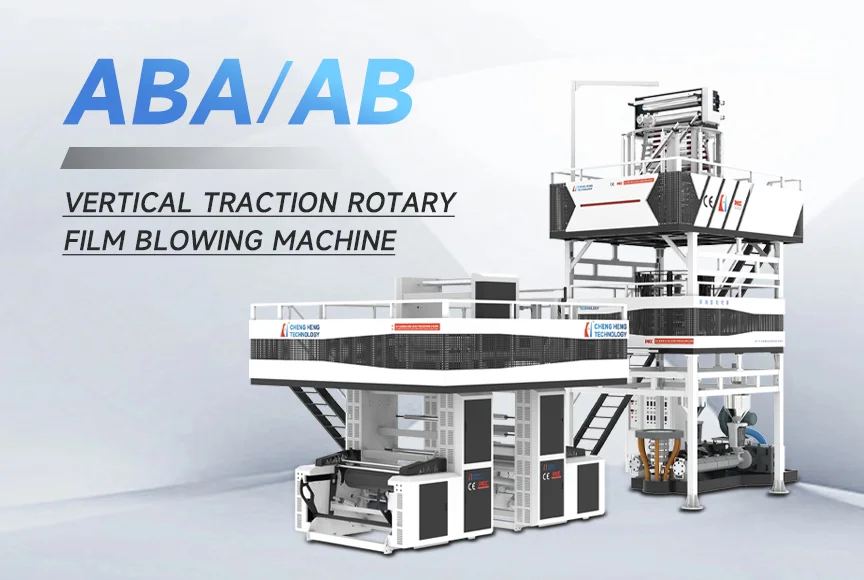
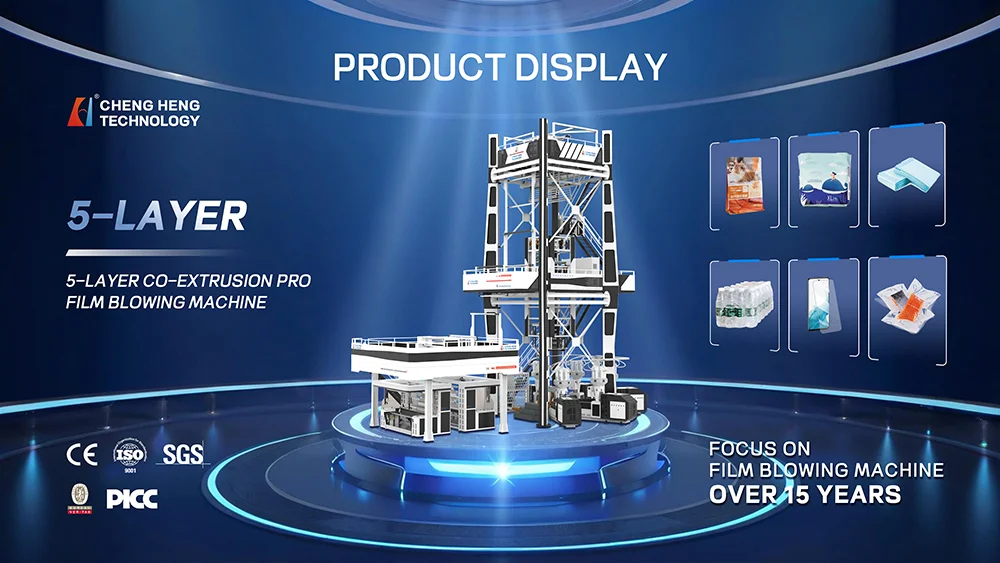
Choosing the right machine configuration is a balance between cost and functionality. A Single Layer Blown Film Line is ideal for basic shopping bags and liners where a single polymer type suffices. In contrast, the Double Layer Film Blowing Machine allows for the combination of two different resins, enhancing both the surface gloss and the internal strength of the film.
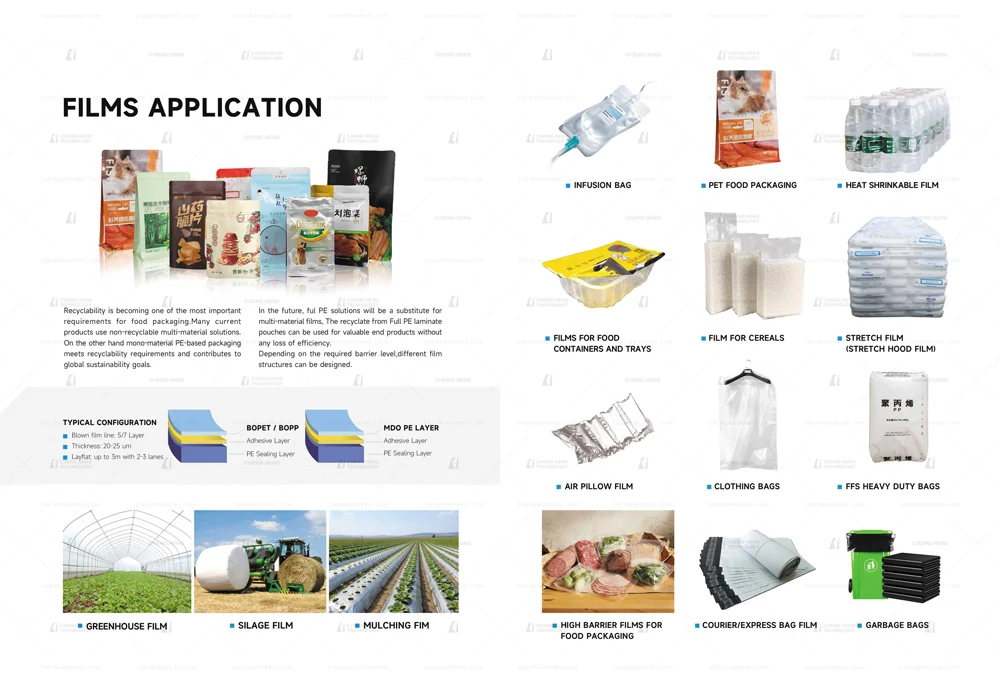
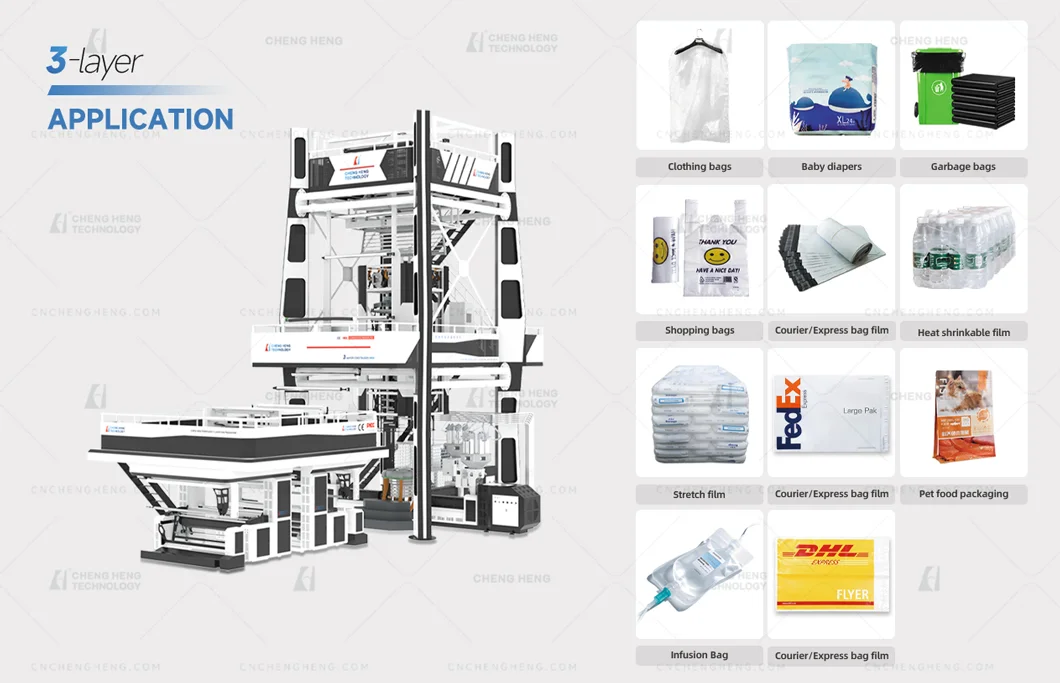
For high-barrier requirements, the Three Layer ABC Blown Film Machine is indispensable. By sandwiching a barrier resin (like EVOH) between two layers of PE, manufacturers can create films that are virtually impermeable to oxygen and moisture, significantly extending the shelf life of perishable foods and pharmaceuticals.
Investing in a high-efficiency blown film extrusion line provides tangible long-term economic value through the reduction of "downgauging." Downgauging is the process of making the film thinner while maintaining the same strength. By using advanced co-extrusion techniques, manufacturers can reduce the total amount of plastic resin used per square meter, drastically lowering raw material costs.
Beyond the balance sheet, there is a significant social and environmental impact. Modern lines are increasingly designed to handle PCR (Post-Consumer Recycled) resins. This transition from virgin plastics to recycled feeds allows brands to meet sustainability goals and reduces the carbon footprint of the packaging industry, fostering trust with environmentally conscious consumers.
The reliability of a well-maintained line also translates to operational safety. Automated thickness monitoring and temperature control systems reduce the risk of human error and machine failure, ensuring a stable production environment where worker safety and product consistency are guaranteed.
| Evolution Driver | Traditional Method | Modern Innovation | Impact Score (1-10) |
|---|---|---|---|
| Material Usage | Thick Single-Layer | Advanced Downgauging | 9 |
| Control System | Manual Dial Tuning | PLC & AI Automation | 10 |
| Sustainability | Virgin Resin Only | PCR & Biodegradable | 8 |
| Energy Use | Standard Heating | Energy-Saving Barrels | 7 |
| Film Quality | Visual Inspection | Online Gauge Monitoring | 9 |
| Barrier Properties | Coated Layers | Co-extruded ABC Structure | 10 |
A single layer line uses one extruder to create a film from one type of plastic, suitable for simple bags. A multi layer line (like 3-layer ABC) uses multiple extruders to combine different resins into one film. This allows for "functional layers"—for example, an inner layer for sealing, a middle layer for oxygen barrier, and an outer layer for printing and gloss, resulting in much higher performance.
Bubble instability is usually caused by uneven cooling or incorrect air pressure. Ensure your air ring is clean and the air flow is symmetric. Additionally, check that the melt temperature is consistent across the die. Using an automated air-ring control system can help maintain a stable bubble by adjusting air volume in real-time based on sensor data.
While processing 100% recycled plastic is challenging due to contaminants and varying melt flows, it is possible with a specialized line. You will need a high-performance degassing system to remove volatiles and a screw design optimized for recycled resins. Most manufacturers recommend a blend of virgin and recycled materials to maintain the mechanical strength of the film.
Downgauging is the process of reducing the thickness of the film without sacrificing its strength. This is achieved through better resin selection and precise co-extrusion. It is critical because it directly reduces the amount of raw material needed per roll, lowering your cost of goods sold (COGS) and reducing the environmental impact of your packaging.
Maintenance schedules vary, but a general rule is to perform a deep inspection of the screw and die every 6-12 months depending on the abrasiveness of the resins used. Regular cleaning and checking for wear and tear prevent "streaking" in the film and avoid costly unplanned downtime during peak production periods.
For food packaging, a Three Layer ABC Blown Film Machine is highly recommended. This configuration allows you to integrate a barrier layer (like EVOH) to prevent oxygen and moisture from spoiling the food. Ensure the machine uses food-grade stainless steel components and compliant resins to meet FDA or EU food safety standards.