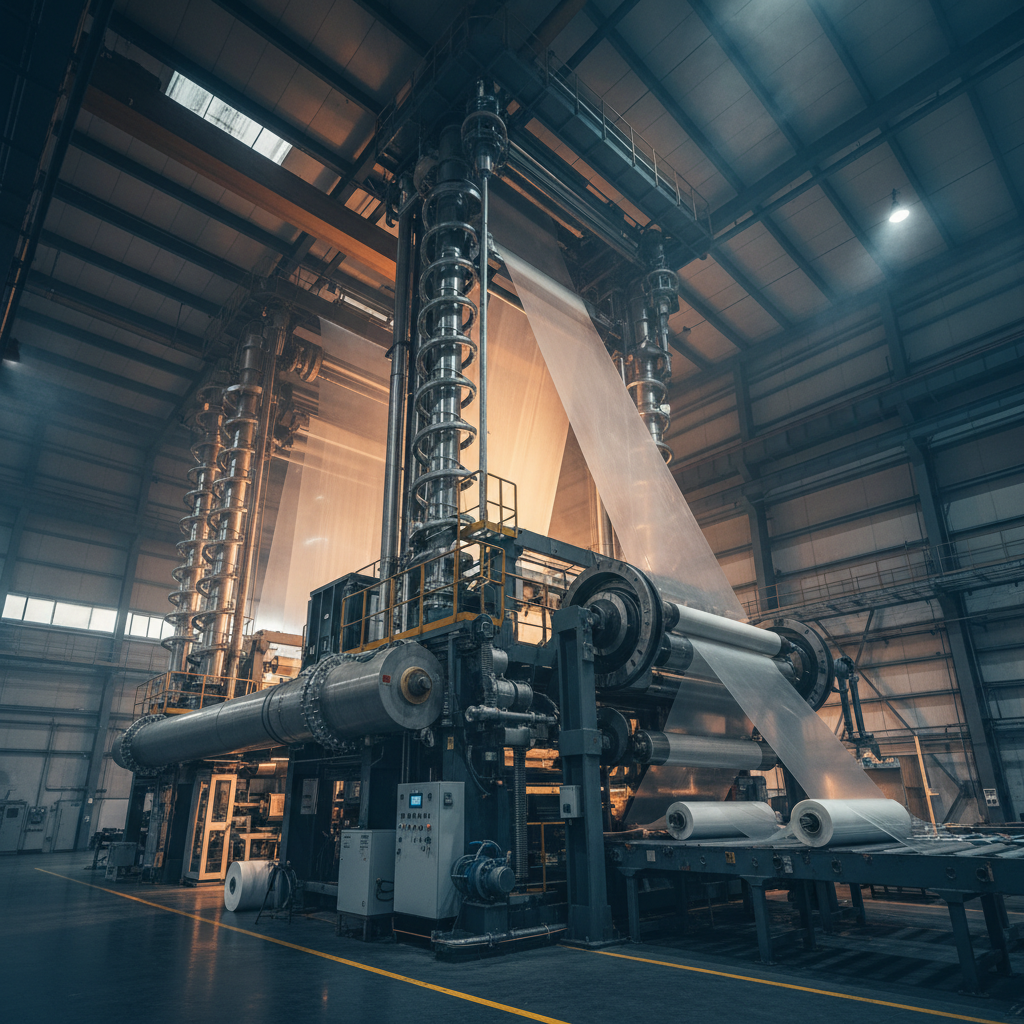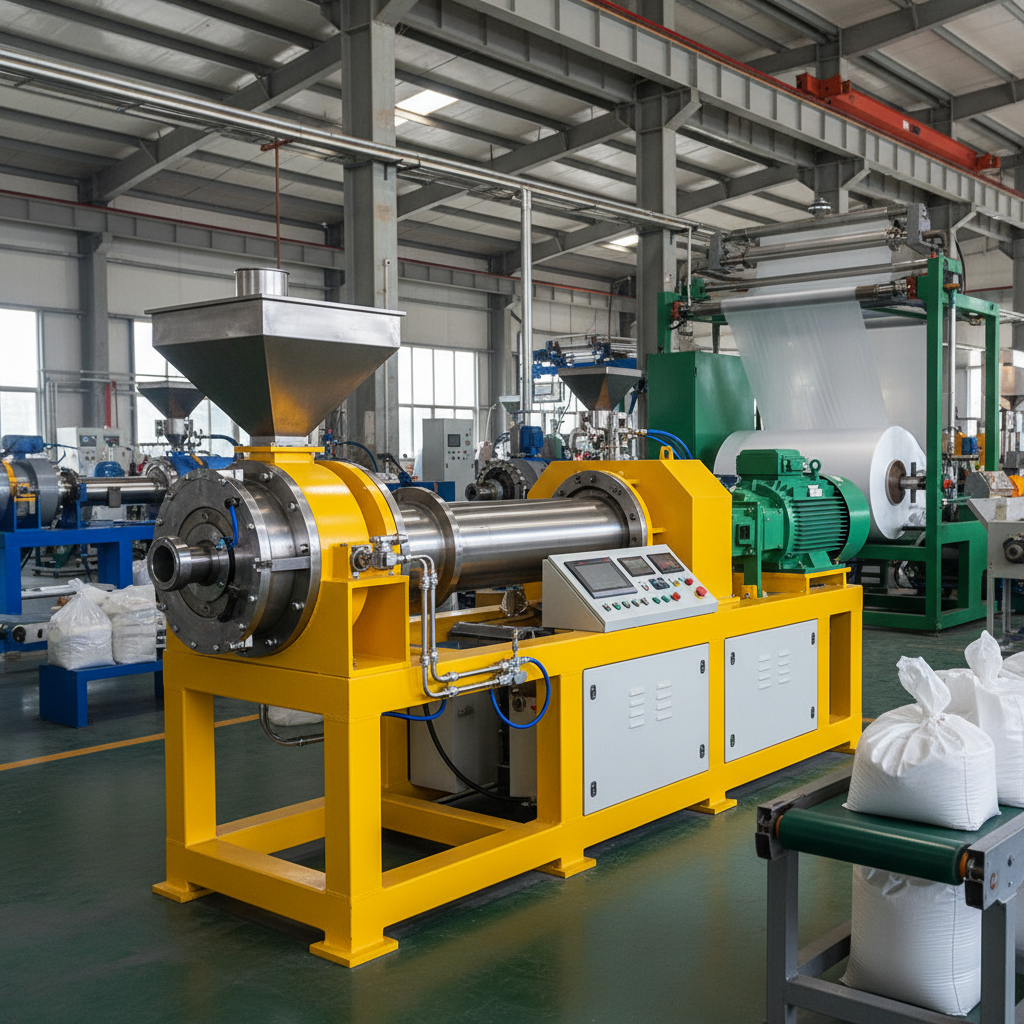

Modern flexible packaging relies heavily on the precision of a blown film production line to create high-quality LDPE and HDPE films. This process involves extruding molten plastic through a circular die, inflating it into a bubble, and cooling it to create a thin, durable plastic sleeve. Understanding the technical nuances of these systems is essential for manufacturers aiming to balance production speed with material thickness consistency.
In a competitive B2B market, the choice of extrusion equipment directly impacts operational costs and product waste. Many facilities struggle with limited workshop space and high energy consumption when running multiple single-head machines. This has led to an increased demand for integrated systems that can handle diverse material grades—from food-grade PE to industrial recycling—without compromising the structural integrity of the resulting film.
This guide explores the critical engineering factors of a blown film production line, focusing on how dual-head configurations and high-alloy metallurgy enhance throughput. Readers will learn how to evaluate equipment specifications, optimize raw material usage, and implement maintenance strategies that extend the lifecycle of the extrusion hardware.
Technical Foundations of Plastic Extrusion
The core mechanism of plastic film extrusion revolves around the controlled melting and shaping of thermoplastic resins. Through a combination of heat and mechanical shear provided by a rotating screw, pellets are converted into a homogenous melt. This melt is then forced through a die head where air is introduced to expand the plastic into a vertical bubble. The size and stability of this bubble determine the final width and gauge of the film. Key variables such as the L/D (Length-to-Diameter) ratio of the screw and the precision of the traction system are critical; for instance, a 32:1 ratio with force feeding ensures a stable melt flow even when processing high-viscosity HDPE. Advanced systems now integrate high-quality alloy steel for screws and barrels, which undergo nitration to achieve superior hardness and corrosion resistance, preventing premature wear during the processing of abrasive recycled materials.
Optimizing Film Output and Quality
Achieving a high-yield production environment requires a synergy between mechanical design and operational control. The transition from traditional single-head setups to multi-die configurations represents a significant shift in how manufacturers approach throughput and flexibility.
Dual-Head Configuration Efficiency
A twin-head setup allows a single screw cylinder to feed two separate die heads, effectively doubling the output capacity without duplicating the primary motor and heating system. This design is particularly beneficial for small-width films like T-shirt bags or rolling bags, as it maximizes the use of the extruder's output. By utilizing one frame for two rolls, companies can significantly reduce their physical footprint and labor requirements.
| Model Spec | Film Width Range | Max Output (kg/h) | Main Motor Power |
|---|---|---|---|
| 50-500 | 150-300mm | 25-90kg/h | 15kw |
| 55-600/700 | 200-400/500mm | 30-100kg/h | 22kw |
| 65-700 | 300-550mm | 40-120kg/h | 37kw |
| Custom | Based on Die Size | Variable | Customized |
| HDPE Grade | 0.008-0.08mm | High Precision | Optimized |
| LDPE Grade | 0.02-0.12mm | High Clarity | Optimized |
Material Compatibility and Versatility
Industrial versatility depends on the machine's ability to process various resins. Systems designed for flexible packaging must handle HDPE, LDPE, LLDPE, and MDPE, as well as CaCO3 fillers and recycled plastics. The ability to run different materials—such as food-grade on one head and industrial-grade on the other—allows a manufacturer to meet multiple client orders simultaneously, reducing the downtime associated with complete system purges.
Screw and Barrel Metallurgy
The longevity of the extrusion process is determined by the resistance of the screw and barrel to abrasion and oxidation. Utilizing high-quality alloy steel with nitration precision finishing ensures that the internal surfaces remain smooth and hard. This reduces the risk of material degradation and ensures that the pressure remains consistent, which is vital for maintaining a uniform film thickness across the entire roll.
Precision Die Head Control
The die head is where the final dimensions of the film are established. Proper centering and temperature control at the die prevent "gauge bands" or uneven thickness. In integrated twin-head systems, each head can often be adjusted independently, allowing operators to fine-tune the bubble stability for two different film widths or thicknesses concurrently, ensuring the final product meets strict industry tolerances.
Energy and Space Optimization
Operational efficiency is not just about speed, but about resource utilization. Shared power systems, such as a single main power supply and shared cooling water pumps, drastically reduce the electricity cost per kilogram of film produced. Furthermore, the integrated frame design can save over 50% of workshop space compared to running two standalone machines, allowing for better facility workflow.
Industrial Application Scenarios
These systems are ideally suited for the production of shopping bags, T-shirt bags, and various flexible packaging rolls. By utilizing the independent operation capability of the heads, maintenance can be performed on one head while the other continues to produce, minimizing total plant downtime and ensuring a steady supply chain for end-users in the retail and industrial packaging sectors.
Maintenance for Longevity
To maintain high performance, regular inspection of the heating elements and the screw's wear state is mandatory. Cleaning the die head to remove carbonized residue prevents defects in the film surface. Implementing a strict management system for lubricant changes in the gearbox (such as the 173#, 180#, or 200# models) ensures that the mechanical drive remains efficient and noise-free over years of continuous operation.
FAQ
What is the main advantage of a twin-head extrusion system over a single-head one?
The primary advantage is the significant increase in production capacity and resource efficiency. A twin-head system produces two film rolls simultaneously using one set of extrusion hardware, which reduces the required workshop area by over 50% and lowers energy costs by sharing the main motor and cooling systems.
Which materials can be processed by these production lines?
These lines are designed for versatility, supporting HDPE, LDPE, LLDPE, and MDPE. They are also compatible with CaCO3 fillers and recycled plastic materials, making them suitable for both high-end virgin resin films and cost-effective recycled packaging solutions.
How does the L/D ratio affect film quality?
The L/D ratio (Length to Diameter) refers to the proportions of the screw. A ratio like 32:1, combined with force feeding, ensures that the plastic resin is melted more uniformly and pressurized correctly before reaching the die, which prevents air bubbles and ensures a consistent film thickness.
Can the two heads produce films of different widths at the same time?
Yes, the independent operation of the die heads allows for the simultaneous production of films with different widths, thicknesses, or even different material grades, providing high flexibility for manufacturers handling diverse order requirements.
What certifications should I look for when sourcing extrusion machinery?
Buyers should look for recognized international standards such as CE, SGS, and BV certifications. These ensure that the machinery meets safety, quality, and environmental regulations, reducing the risk of operational hazards and facilitating easier import/export processes.
How can I prevent wear and tear on the screw and barrel?
The most effective way to prevent wear is to ensure the hardware is made from high-quality alloy steel and treated with nitration. Additionally, maintaining a clean raw material feed—free from metal contaminants—and adhering to a regular lubrication schedule for the gearbox will extend the machine's lifespan.
References and further reading
- Principles of Polymer Processing and Extrusion Technology - Industrial Engineering Standards.
- Guidelines for HDPE/LDPE Film Gauge Control and Quality Assurance.
- The Impact of Screw Metallurgy on Thermoplastic Processing Efficiency.
Related Articles