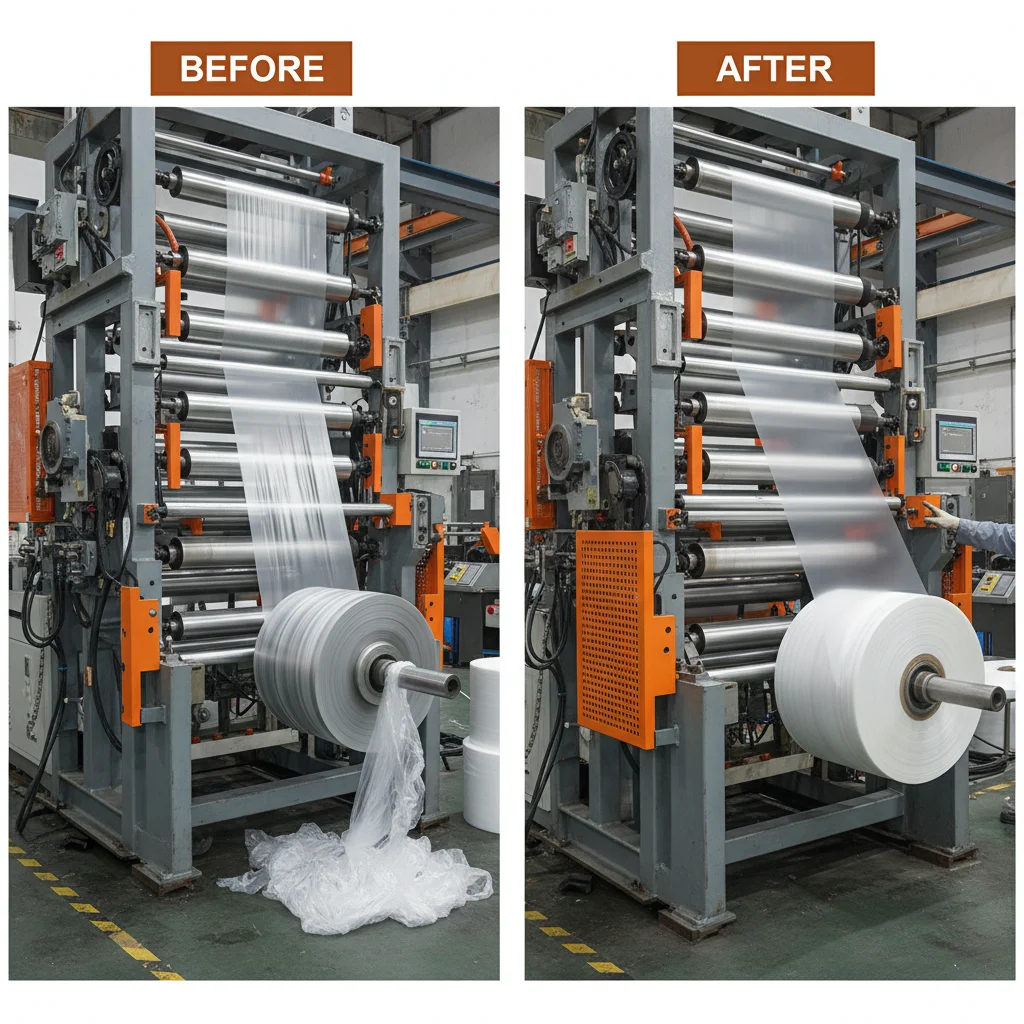
Look, I’ve spent the last fifteen years breathing concrete dust and wrestling with blueprints, and let me tell you, getting film right is critical. It’s not just about wrapping pallets, it’s about protecting your materials, reducing waste, and ultimately, keeping projects on schedule and under budget. The aba film blowing machine – and I’m talking about a good one, like the ones aba film blowing machine manufacturers are churning out these days – it's a game-changer. It’s about quality, reliability, and having a consistent supply of the right film when you need it. We're talking about saving serious money and headaches.
I've seen crews held up for days waiting on film deliveries, or worse, receive a shipment that's the wrong size or thickness. That’s lost time, lost money, and frustrated workers. A robust aba film blowing machine takes that equation off the table. You control the production, you control the quality, and you cut out all the middleman headaches. It’s a move from reactive firefighting to proactive planning.
Frankly, the industry’s been needing this for a long time. Too much reliance on external suppliers, too much variability in film quality. Investing in an in-house solution, a quality aba film blowing machine, isn’t just a cost-saving measure; it’s a strategic move to improve overall operational efficiency.
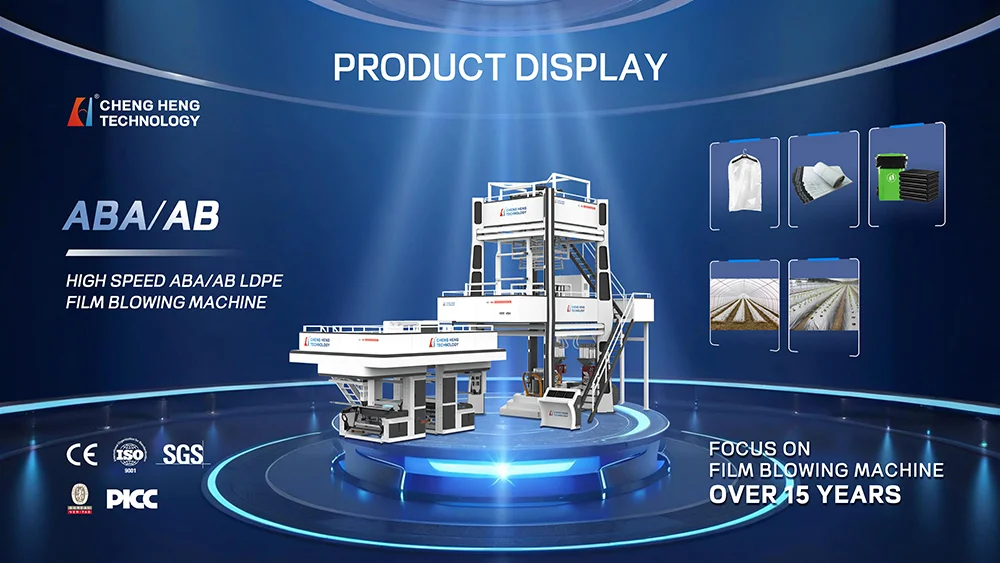
The Core of aba Film Blowing Machine
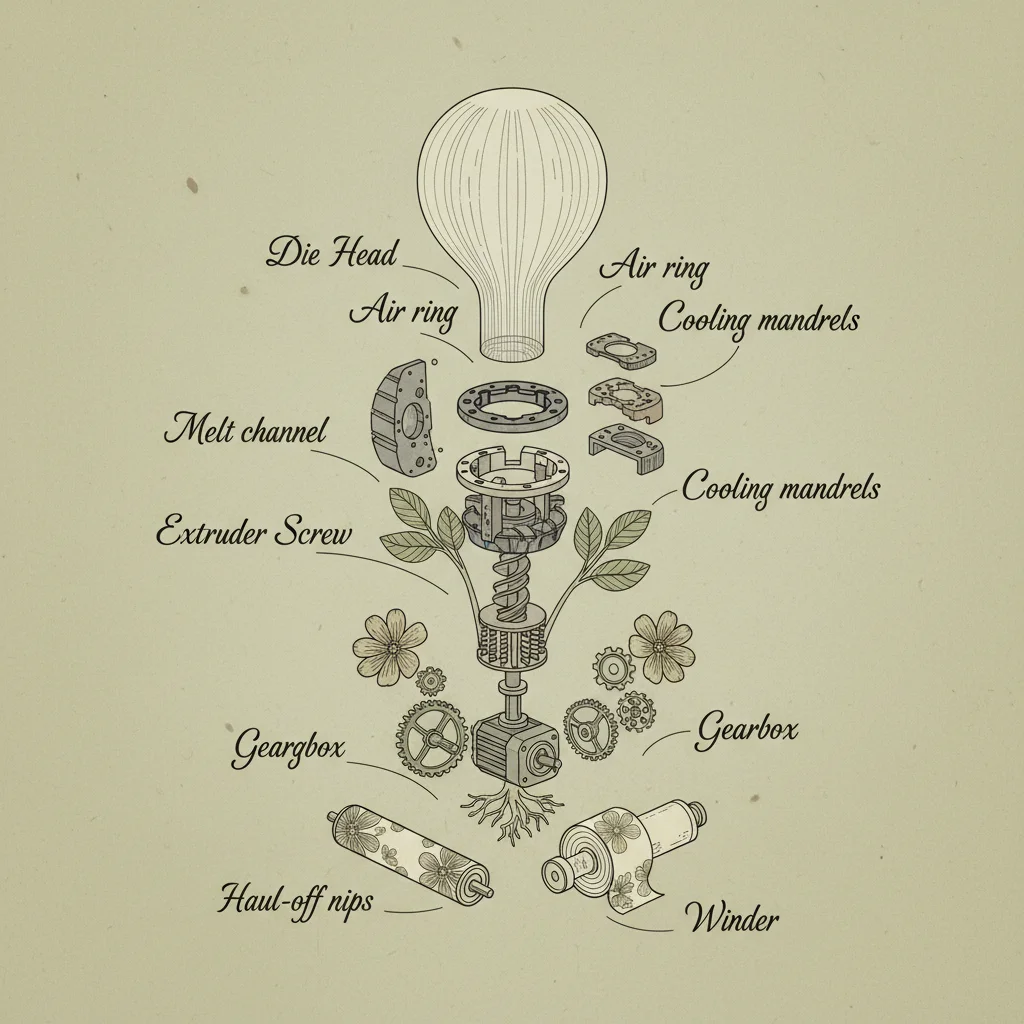
An aba film blowing machine, at its heart, is about taking plastic resin—usually polyethylene—and transforming it into a continuous tube of film. That tube is then flattened, wound onto a roll, and ready to go. The “aba” refers to the three-layer co-extrusion process a lot of these machines use. This allows you to create films with different properties in each layer—strength, barrier protection, sealing capabilities—giving you a tailored film for specific applications. It’s more than just plastic; it’s engineered protection.
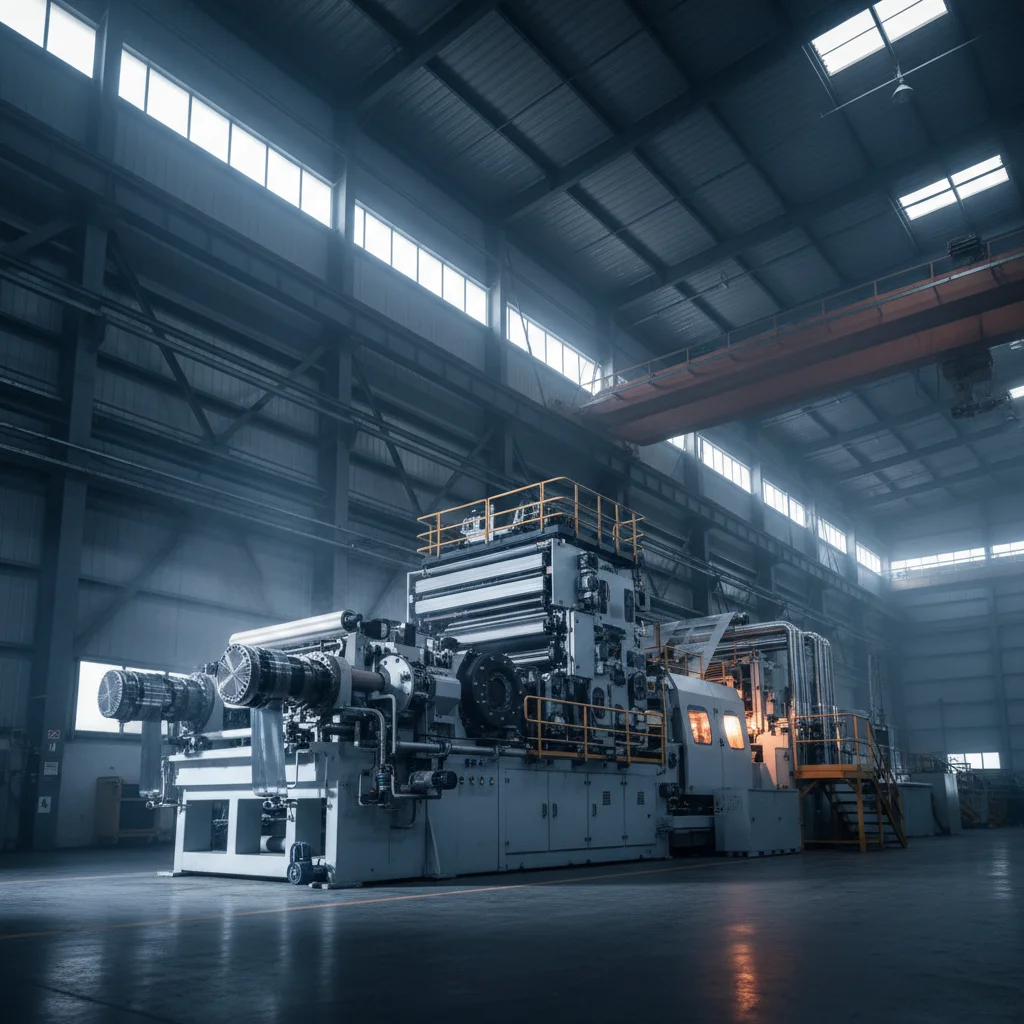
What I’ve seen on sites, is that a good aba film blowing machine is built to last. These aren’t delicate pieces of equipment. They need to handle the rigors of a construction environment—dust, temperature swings, constant operation. The quality of the components, the build materials, and the overall design are key. And frankly, the folks at aba film blowing machine understand this.
Global Relevance and Industry Challenges
The demand for plastic film is huge, globally. Packaging, agriculture, construction, automotive – it’s everywhere. The UN estimates that global plastic production will triple by 2050, and a significant chunk of that is going to be film. But with that growth comes challenges: sustainability, waste management, and the need for more efficient production methods. We’re seeing stricter regulations around plastic use, pushing companies to find ways to reduce their environmental footprint.
One of the biggest issues is supply chain disruption. We all saw what happened during the pandemic—materials delayed, prices skyrocketing. Having the ability to produce your own film in-house with an aba film blowing machine mitigates that risk. It gives you control when the world feels completely out of control. It's about resilience.
Furthermore, the ISO standards for packaging and protective films are becoming increasingly stringent. Companies need to consistently meet these standards to compete in the global market. A well-maintained, high-quality aba film blowing machine allows them to do just that.
Defining the aba Film Blowing Machine
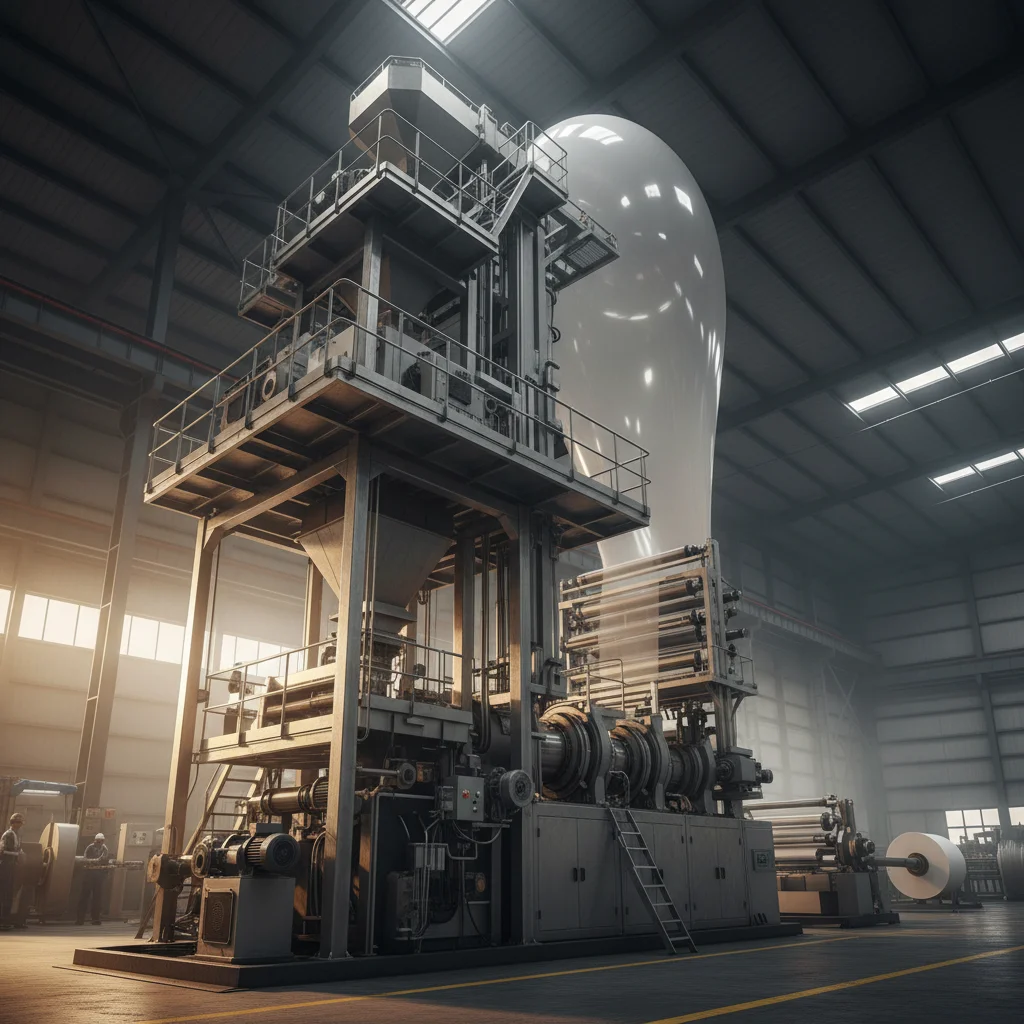
Simply put, an aba film blowing machine is a specialized piece of industrial equipment that creates plastic film through an extrusion process. Molten plastic is forced through a circular die, forming a bubble-like tube. This bubble is inflated with air, stretched to the desired thickness, and then cooled and flattened. The “aba” designation highlights the machine’s capability to handle three layers of different materials simultaneously.
Its connection to modern industry is profound. Think about the construction industry: protecting steel shipments, wrapping building materials, creating vapor barriers. Then expand that to food packaging, medical supplies, agricultural films – the applications are nearly limitless. It's a foundational technology for a huge swathe of the modern economy.
It addresses a critical need for reliable, cost-effective, and customizable film production. In a world demanding just-in-time delivery and specific material properties, the aba film blowing machine offers a solution that traditional sourcing often can’t match. It provides control and responsiveness.
Key Factors: Performance and Efficiency
First off, durability is paramount. I need a machine that can withstand constant use, dust, and the general wear and tear of a job site. That means robust construction, high-quality components, and a reliable drive system. Secondly, throughput matters. How much film can it produce per hour? Faster throughput translates directly into cost savings.
Then there's film quality. Consistency in thickness, clarity, and strength is crucial. Variations can lead to material failures and wasted time. A good aba film blowing machine will have precise controls for temperature, pressure, and extrusion speed. And finally, maintenance. Easy access to components for cleaning and repair is a huge plus. Downtime is money, plain and simple.
aba Film Blowing Machine Performance Metrics
Real-World Applications & Industries Served
In construction, we use it for protecting steel coils during transport, wrapping lumber to keep it dry, and creating temporary enclosures. Agriculture utilizes it for greenhouse films, mulch films, and silage wraps. The food packaging industry relies on it for everything from bread bags to meat packaging. The automotive sector uses it for interior trim and protective coverings.
I’ve seen it deployed in remote industrial zones where getting reliable film supply is a logistical nightmare. The ability to produce film on-site eliminates those problems. In post-disaster relief operations, having an aba film blowing machine can be critical for creating temporary shelters and protecting emergency supplies.
Long-Term Value and Advantages
The tangible benefits are clear: reduced costs from eliminating external sourcing, increased control over film quality, and minimized downtime due to supply chain issues. But there's also a significant sustainability component. By optimizing film thickness and using recycled materials, you can reduce waste and your environmental impact.
Beyond the numbers, there's peace of mind. Knowing you have a reliable source of film, tailored to your specific needs, builds trust with your customers and improves your reputation. It's about building a more resilient and sustainable operation.
Future Trends and Innovations in aba Film Blowing
We're seeing a push towards more sustainable materials – bio-based plastics, recycled content. The aba film blowing machines of the future will be designed to handle these materials efficiently. Automation is another big trend—more sophisticated control systems, robotic handling of film rolls, and integrated quality control systems.
Digitalization is also playing a role. Remote monitoring, predictive maintenance, and data analytics will allow operators to optimize performance and prevent downtime. And there’s a growing focus on energy efficiency – reducing the power consumption of these machines.
I believe we'll also see advancements in co-extrusion technology, allowing for even more complex and customized film structures with enhanced barrier properties and performance characteristics. The goal is to create films that are not only functional but also environmentally responsible.
Summary of Challenges and Solutions for aba Film Blowing Machines
| Challenge | Impact on aba Film Blowing Machine | Proposed Solution | Implementation Cost (Estimate) |
|---|
| Material Variability | Inconsistent film quality, reduced output | Implementing rigorous material QC procedures & pre-drying systems. | $5,000 - $15,000 |
| Downtime for Maintenance | Lost production time, increased costs | Scheduled preventative maintenance program & readily available spare parts. | $2,000 - $8,000 annually |
| Energy Consumption | High operating costs, environmental impact | Upgrading to energy-efficient motors and implementing optimized temperature controls. | $10,000 - $25,000 |
| Operator Skill Gap | Reduced efficiency, increased scrap rate | Comprehensive operator training program & clear operating procedures. | $3,000 - $7,000 |
| Film Thickness Consistency | Material waste, reduced product performance | Implementing advanced die control systems and real-time thickness monitoring. | $8,000 - $20,000 |
| Waste Film Management | Environmental concerns, disposal costs | Implementing a film recycling program or partnering with a recycling facility. | $1,000 - $5,000 annually |
FAQS
That depends on your current film consumption, material costs, and labor rates. But generally, if you’re using a significant amount of film – say, over 50,000 pounds a year – you’ll see a payback within 18-36 months. The biggest savings come from eliminating material waste and reducing reliance on fluctuating supplier pricing. Plus, the control over film quality drastically reduces rejected shipments.
You'll need a trained operator, definitely. Someone comfortable with basic mechanical and electrical systems. But the modern machines, like the ones aba film blowing machine builds, are becoming increasingly user-friendly. A good manufacturer will provide comprehensive training, and preventative maintenance is key. Think of it like any other complex piece of industrial equipment – regular check-ups and a skilled operator are essential.
Yes, but it depends on the materials used and the machine's design. You’ll need to use food-grade resins and ensure the machine is compliant with relevant regulations, like FDA guidelines. Proper cleaning and maintenance procedures are also critical to prevent contamination. Some manufacturers offer machines specifically designed for food packaging applications.
Energy consumption varies based on the machine’s size, output capacity, and the type of resin being processed. Generally, you can expect a range of 50-150 kW. However, newer models are incorporating energy-efficient motors and optimized temperature controls to reduce energy usage. Look for machines with variable frequency drives (VFDs) for added energy savings.
Safety is paramount. You want a machine with comprehensive guarding around moving parts, emergency stop buttons readily accessible, and a robust control system with safety interlocks. Thermal overload protection for the heating elements is essential. A well-designed machine will prioritize operator safety and minimize the risk of accidents.
Traditional film production can have a significant environmental impact due to plastic waste and energy consumption. To mitigate this, consider using recycled materials, optimizing film thickness to minimize waste, and investing in energy-efficient machines. Implementing a film recycling program and partnering with responsible waste management providers are also crucial steps.
Conclusion
Ultimately, an aba film blowing machine is much more than just a piece of equipment. It's an investment in control, quality, and resilience. From reducing costs and minimizing waste to ensuring a consistent supply of reliable film, the benefits are significant. For any company that relies heavily on plastic film, bringing production in-house is a strategic move that can pay dividends for years to come.
Looking ahead, the future of aba film blowing lies in sustainability, automation, and digitalization. Embracing these trends will not only improve efficiency but also minimize environmental impact. If you’re serious about optimizing your operations and securing your supply chain, it’s time to explore the possibilities of an aba film blowing machine. Visit our website to learn more.