0%

Table of Contents

The global packaging landscape has undergone a seismic shift toward versatility and efficiency, placing the blown film extrusion line at the center of modern manufacturing. From the essential stretch wraps used in logistics to the high-barrier films protecting pharmaceutical products, this technology enables the continuous production of thin, durable plastic films that are indispensable to global trade.        

       Understanding the intricacies of a blown film extrusion line is no longer just for engineers; it is a strategic necessity for business owners looking to optimize material usage and reduce operational overhead. By mastering the balance of temperature, air pressure, and polymer flow, manufacturers can create products that meet stringent international quality standards while maximizing throughput.        

       Whether you are implementing a Single Layer Blown Film Line for basic applications or a sophisticated Three Layer ABC Blown Film Machine for high-performance barriers, the goal remains the same: achieving a perfect equilibrium between film strength, clarity, and production cost to remain competitive in an evolving market.


Global Industry Context of Blown Film Extrusion

Defining the Blown Film Extrusion Process

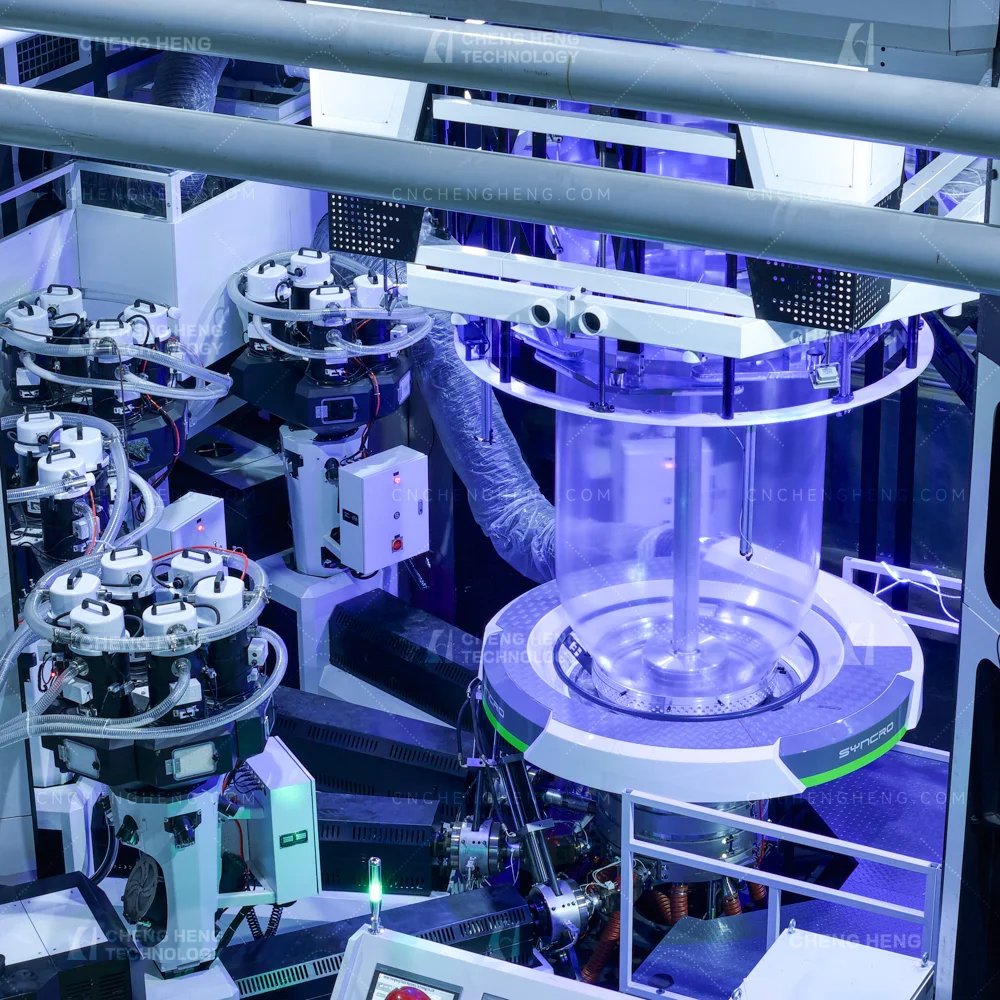
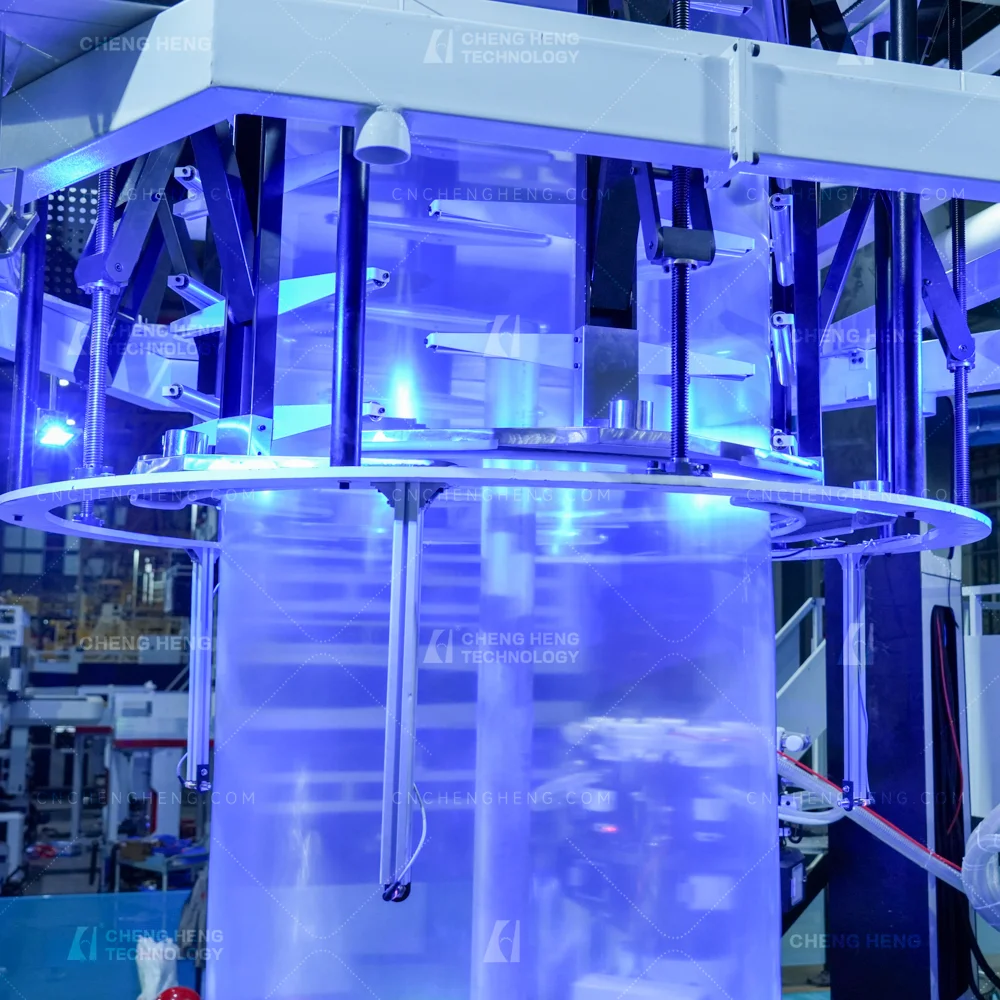
At its core, a blown film extrusion line is a sophisticated manufacturing system that melts plastic resin—typically LDPE, LLDPE, or HDPE—and forces it through a circular die. The molten plastic is then "blown" into a large vertical bubble using compressed air, which stretches the film both longitudinally and transversely. This biaxial orientation is what gives the resulting film its exceptional strength and puncture resistance.        

       This process is vital to modern industry because it allows for the creation of extremely thin yet robust membranes. From the perspective of humanitarian needs, this technology produces the sterilized packaging required for medical supplies and the heavy-duty liners used in emergency food distribution, making it a silent pillar of global health and logistics.        

       By adjusting the blow-up ratio (BUR) and the take-up speed, operators can fine-tune the film's physical properties. Whether the end goal is a crystal-clear wrap for retail or a matte, opaque layer for industrial construction, the flexibility of the blown film process ensures that specific material requirements are met with surgical precision.

Core Components for Maximum Efficiency

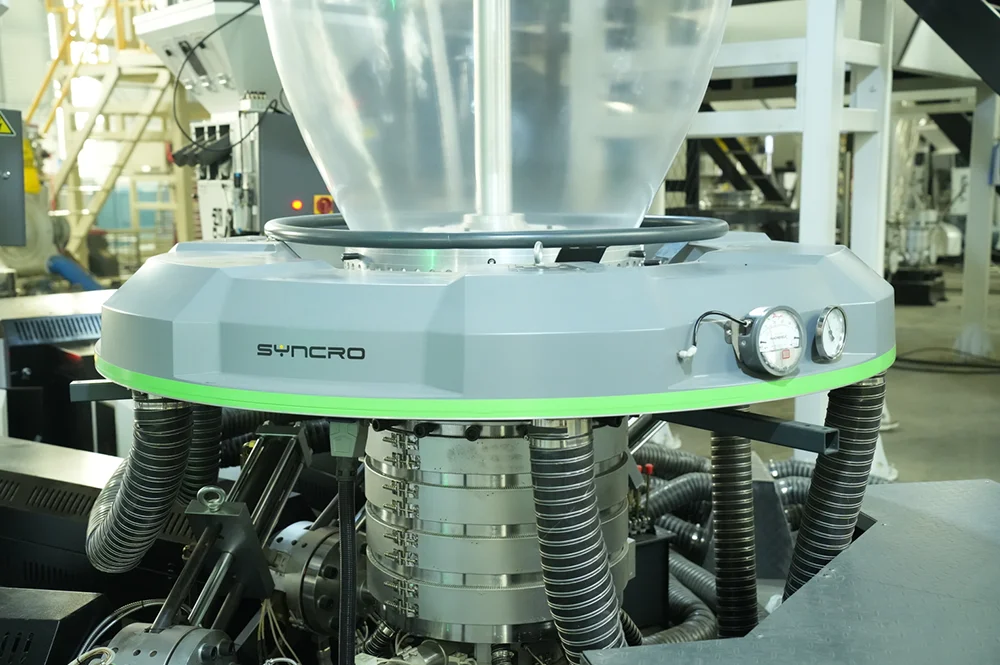
To achieve consistent quality, every blown film extrusion line must prioritize the precision of its extruder screw. The screw design determines the homogenization of the melt; a well-engineered screw prevents "gels" or un-melted particles from appearing in the film, which would otherwise lead to structural weak points and high scrap rates.

The air ring is another critical element of the blown film extrusion line, as it controls the cooling rate of the bubble. Rapid, uniform cooling is essential to freeze the polymer chains in place, ensuring that the film maintains a consistent gauge (thickness) across its entire width, which is paramount for high-speed automated bagging machines.

Finally, the winding and hauling system determines the final tension of the roll. An unstable haul-off can cause "gauge bands" or wrinkles, rendering the material useless for high-end applications. Integrating servo-driven rollers ensures that the film is wound tightly and evenly, facilitating easier transport and processing for the end customer.

Comparative Performance of Extrusion Configurations

Choosing the right machine configuration is a balance between cost and functionality. A Single Layer Blown Film Line is ideal for basic shopping bags and liners where a single polymer type suffices. In contrast, the Double Layer Film Blowing Machine allows for the combination of two different resins, enhancing both the surface gloss and the internal strength of the film.        

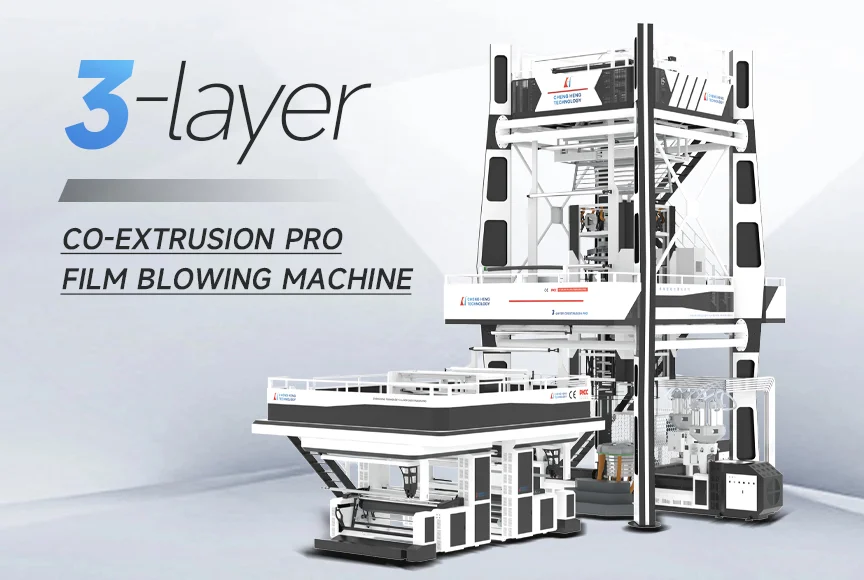
       For high-barrier requirements, the Three Layer ABC Blown Film Machine is indispensable. By sandwiching a barrier resin (like EVOH) between two layers of PE, manufacturers can create films that are virtually impermeable to oxygen and moisture, significantly extending the shelf life of perishable foods and pharmaceuticals.

Efficiency Ratings of Blown Film Extrusion Configurations

Long-Term Value and Sustainability Benefits

Investing in a high-efficiency blown film extrusion line provides tangible long-term economic value through the reduction of "downgauging." Downgauging is the process of making the film thinner while maintaining the same strength. By using advanced co-extrusion techniques, manufacturers can reduce the total amount of plastic resin used per square meter, drastically lowering raw material costs.        

       Beyond the balance sheet, there is a significant social and environmental impact. Modern lines are increasingly designed to handle PCR (Post-Consumer Recycled) resins. This transition from virgin plastics to recycled feeds allows brands to meet sustainability goals and reduces the carbon footprint of the packaging industry, fostering trust with environmentally conscious consumers.        

       The reliability of a well-maintained line also translates to operational safety. Automated thickness monitoring and temperature control systems reduce the risk of human error and machine failure, ensuring a stable production environment where worker safety and product consistency are guaranteed.

Future Trends in Film Blowing Technology

The future of the blown film extrusion line is being shaped by "Industry 4.0" and the digitalization of the factory floor. We are seeing the integration of AI-driven sensors that can detect bubble instability in real-time and make micro-adjustments to the air ring or extruder speed automatically, eliminating the need for manual trial-and-error.        

       Material science is also evolving, with the rise of compostable polymers like PLA and PBAT. The next generation of extrusion lines will be optimized for these "green" resins, which have different thermal profiles than traditional PE. This requires smarter heating zones and specialized screw geometries to prevent degradation of the biodegradable materials.        

       Finally, energy efficiency is becoming a primary design goal. The adoption of AC motors with frequency converters and improved insulation for heating barrels is reducing the kilowatt-hour per kilogram of film produced, aligning industrial growth with global energy conservation policies.

Analysis of Technical Evolutions in Blown Film Extrusion

Evolution DriverTraditional MethodModern InnovationImpact Score (1-10)
Material UsageThick Single-LayerAdvanced Downgauging9
Control SystemManual Dial TuningPLC & AI Automation10
SustainabilityVirgin Resin OnlyPCR & Biodegradable8
Energy UseStandard HeatingEnergy-Saving Barrels7
Film QualityVisual InspectionOnline Gauge Monitoring9
Barrier PropertiesCoated LayersCo-extruded ABC Structure10

FAQS

What is the difference between a single layer and a multi layer blown film extrusion line?

A single layer line uses one extruder to create a film from one type of plastic, suitable for simple bags. A multi layer line (like 3-layer ABC) uses multiple extruders to combine different resins into one film. This allows for "functional layers"—for example, an inner layer for sealing, a middle layer for oxygen barrier, and an outer layer for printing and gloss, resulting in much higher performance.

How do I prevent bubble instability during the extrusion process?

Bubble instability is usually caused by uneven cooling or incorrect air pressure. Ensure your air ring is clean and the air flow is symmetric. Additionally, check that the melt temperature is consistent across the die. Using an automated air-ring control system can help maintain a stable bubble by adjusting air volume in real-time based on sensor data.

Can a blown film extrusion line process 100% recycled plastic?

While processing 100% recycled plastic is challenging due to contaminants and varying melt flows, it is possible with a specialized line. You will need a high-performance degassing system to remove volatiles and a screw design optimized for recycled resins. Most manufacturers recommend a blend of virgin and recycled materials to maintain the mechanical strength of the film.

What is "downgauging" and why is it important for my business?

Downgauging is the process of reducing the thickness of the film without sacrificing its strength. This is achieved through better resin selection and precise co-extrusion. It is critical because it directly reduces the amount of raw material needed per roll, lowering your cost of goods sold (COGS) and reducing the environmental impact of your packaging.

How often should the extruder screw and die be maintained?

Maintenance schedules vary, but a general rule is to perform a deep inspection of the screw and die every 6-12 months depending on the abrasiveness of the resins used. Regular cleaning and checking for wear and tear prevent "streaking" in the film and avoid costly unplanned downtime during peak production periods.

Which machine is best for food-grade packaging?

For food packaging, a Three Layer ABC Blown Film Machine is highly recommended. This configuration allows you to integrate a barrier layer (like EVOH) to prevent oxygen and moisture from spoiling the food. Ensure the machine uses food-grade stainless steel components and compliant resins to meet FDA or EU food safety standards.

Kevin Davis

Kevin Davis

Kevin Davis is a Product Development Specialist at Chengheng Plastic Machinery, with a focus on improving the automation features of our machines. Kevin leverages his expertise in electrical engineering and control systems to integrate the latest technologies into our product line. He’s been with Chengheng for 5 years and has played a key role in developing several new features for our film blowing and bag making machines. He's currently working on a project to improve the precision of our printing machine’s registration system. Kevin holds a Master’s degree from Purdue University.
Previous High Performance Blown Film Extrusion Machine for Modern Packaging
Next Advanced Multi Layer Blown Film Machine for High Performance Packaging