
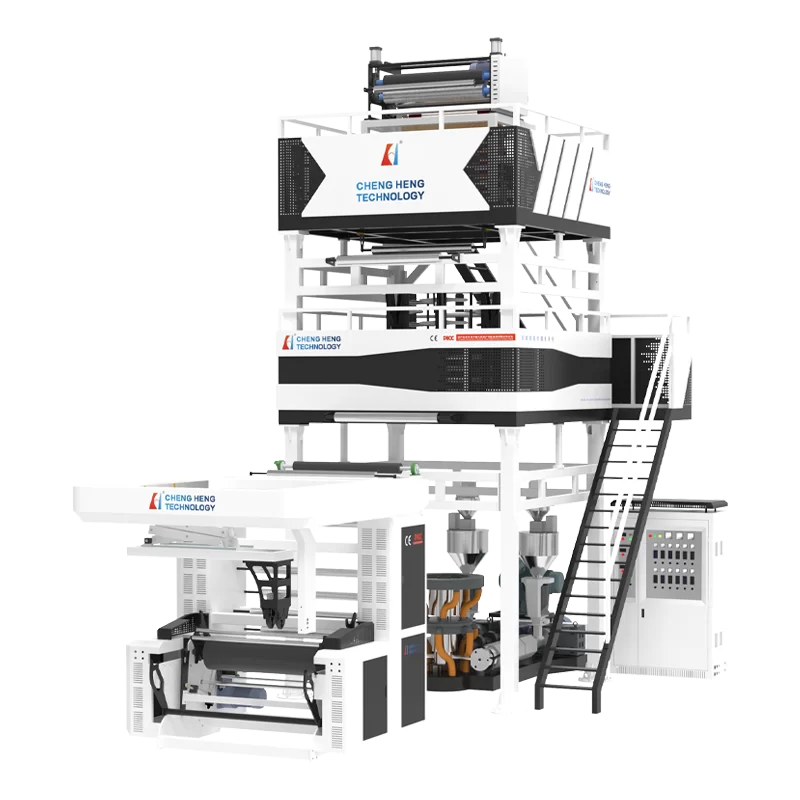
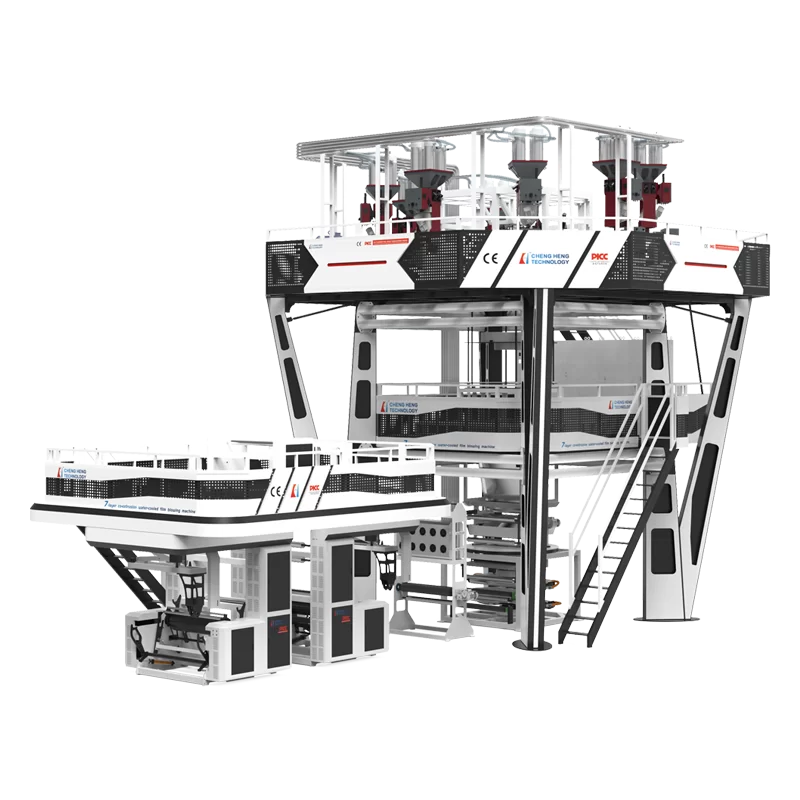
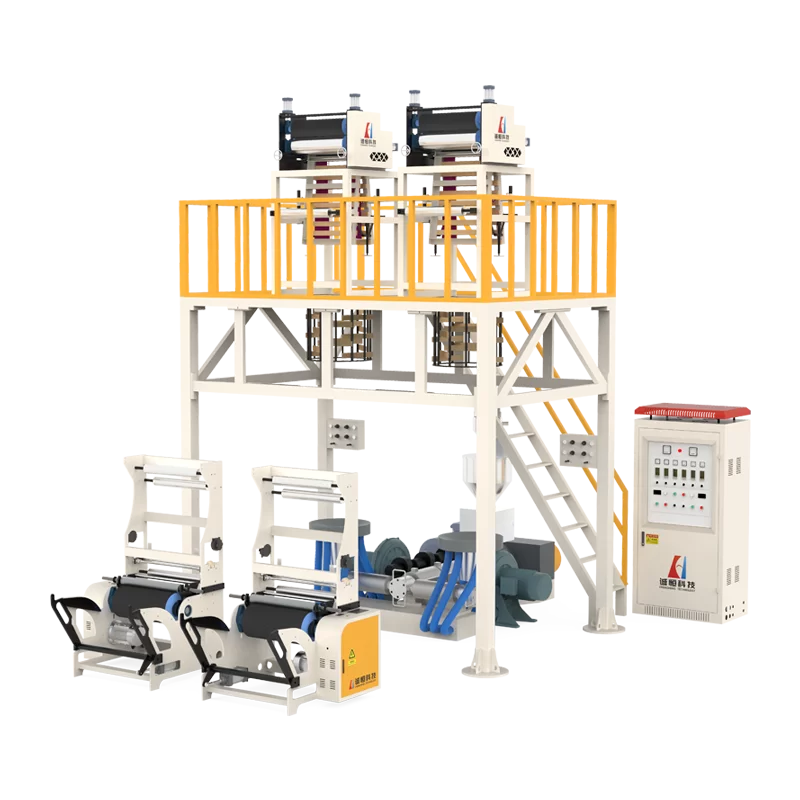
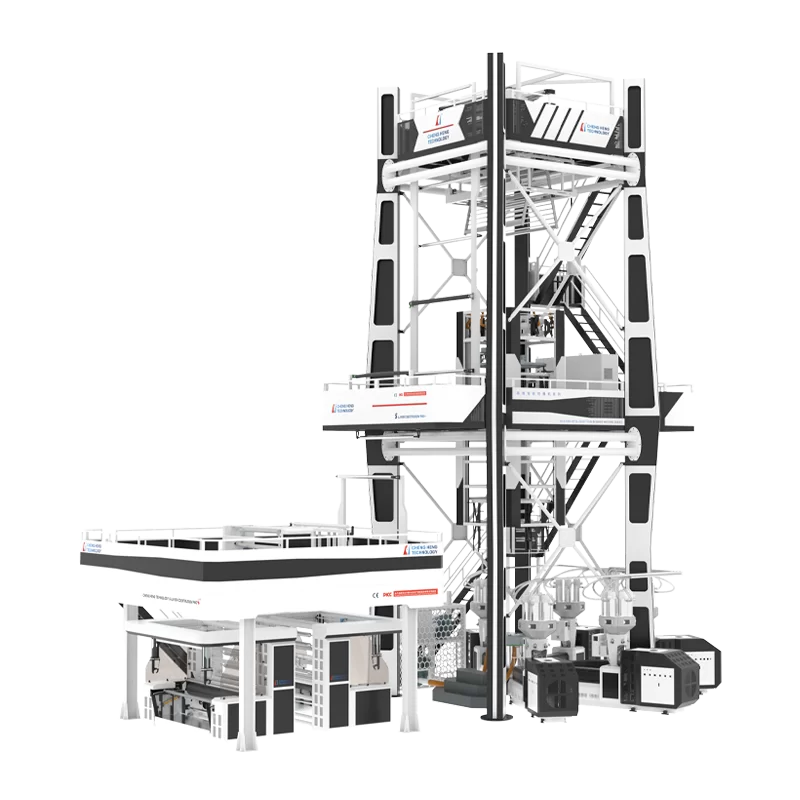
Advanced blown film production line Solutions for Ethiopia's Packaging Industry

Empowering Ethiopian manufacturers with high-efficiency extrusion technology to dominate the East African plastic film market.

Advanced blown film production line Solutions for Ethiopia's Packaging Industry

Providing cutting-edge plastic processing equipment tailored for the unique industrial demands of Ethiopia, ensuring durability and high output for local entrepreneurs.

The Industrial Landscape of Plastic Film Manufacturing in Ethiopia

Analyzing the synergy between Ethiopian economic growth and the demand for high-quality film blowing machine technology.

Ethiopia's manufacturing sector is currently experiencing a rapid transition. With a growing urban population and an expanding retail sector in cities like Addis Ababa, the demand for flexible packaging has surged. However, many local factories still rely on outdated machinery that struggles with the high altitude and variable power stability of the Ethiopian highlands.

The adoption of a modern blown film line is no longer a luxury but a necessity for Ethiopian firms seeking to reduce waste. The local market is shifting from low-grade recycled bags to high-clarity, multi-layer films used in food preservation and agriculture, requiring more precise extrusion controls.

Economic policies favoring local production over imports have created a gold rush for plastics manufacturing. By integrating a robust blown film extrusion machine, local businesses can now compete with imported goods by producing superior quality LDPE and HDPE films domestically.
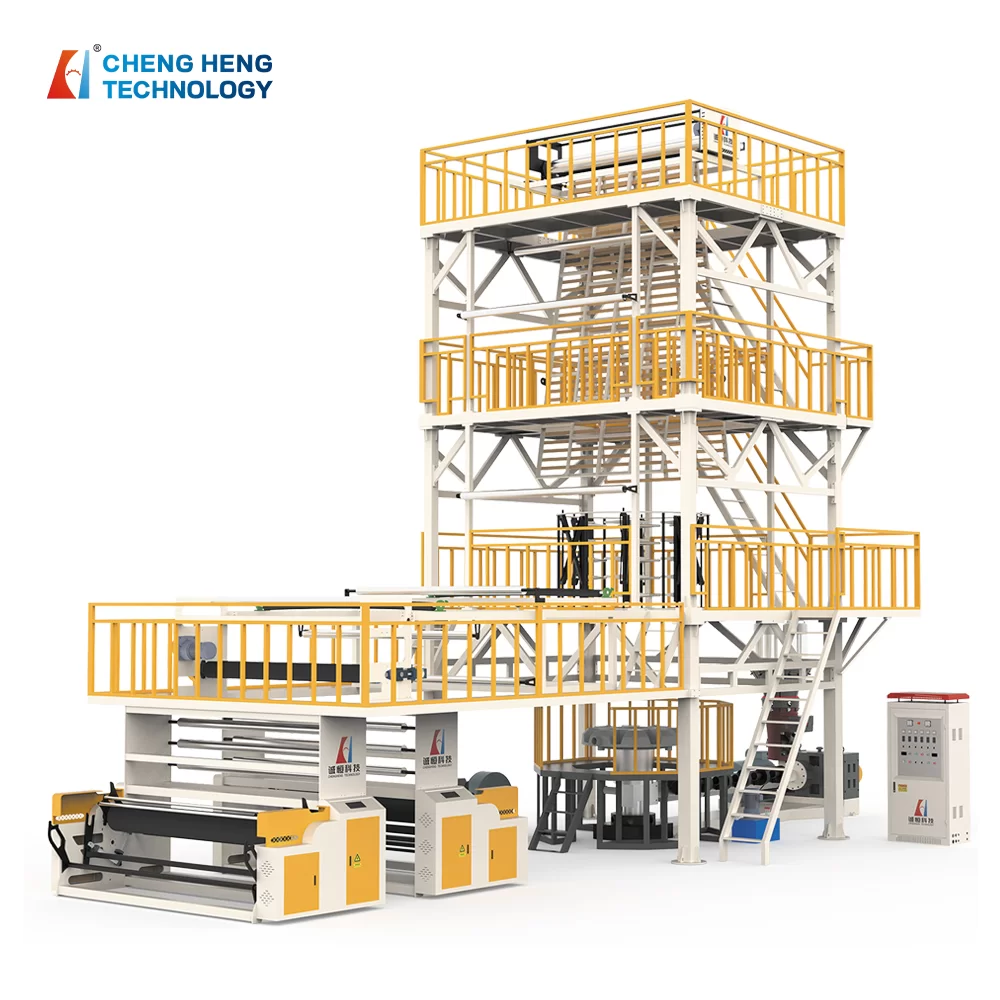
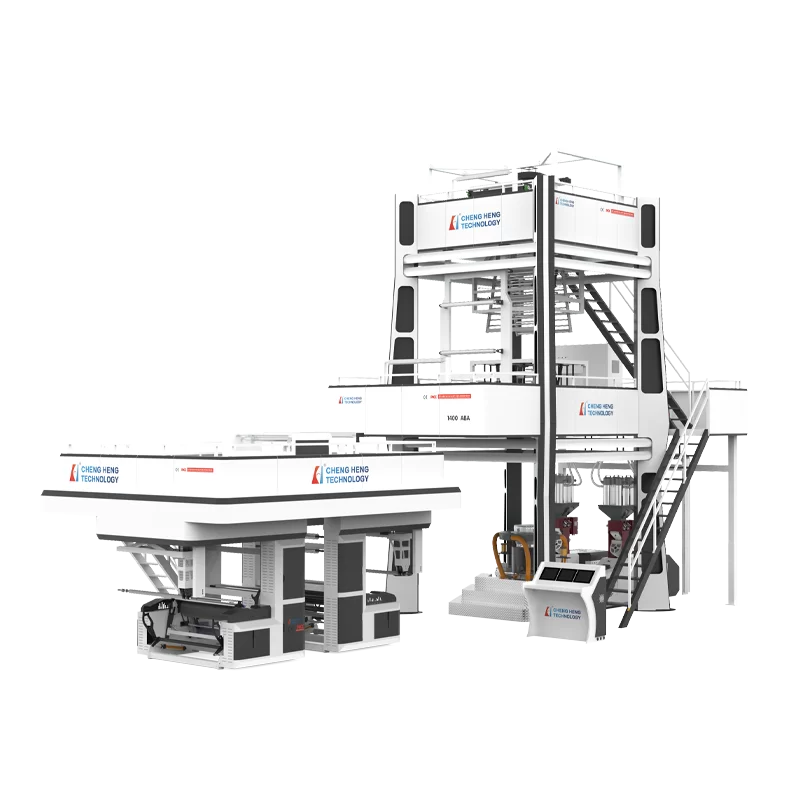
Technological Evolution of Film Extrusion in East Africa

Tracing the journey from manual processing to the era of the automated lown film machine.

Market Development History

Between 2000 and 2010, Ethiopia's plastic industry primarily used single-screw, basic extrusion systems. These early machines lacked temperature stability, resulting in high scrap rates and inconsistent film thickness, which limited the growth of the local packaging sector.

From 2011 to 2020, the introduction of PLC-controlled film blowing machine systems began to stabilize production. Manufacturers started integrating air-ring cooling technology, allowing for faster bubble stability and the production of thinner, stronger films for the agricultural sector.

Since 2021, there has been a decisive shift toward "Intelligent Manufacturing." The current era is defined by the implementation of multi-layer co-extrusion, where the blown film production line is now equipped with energy-saving motors and precise gravimetric dosing systems.

Future Development Trends

Biodegradable Material Integration

With Ethiopia's increasing environmental awareness, the next 3 years will see a surge in machines capable of processing PLA and PBAT materials to replace traditional plastics.

Energy Efficiency Optimization

Due to electricity costs in Ethiopia, the industry is moving toward induction heating and high-efficiency screws to reduce KWh per kilogram of output.

IoT and Remote Diagnostics

Google search trends indicate a rise in "Smart Factory" queries in Africa; future lines will feature remote cloud monitoring to allow engineers to troubleshoot machines in Ethiopia from anywhere in the world.

Strategic Outlook for Ethiopia's Plastic Processing Sector

Projecting the growth trajectory of the blown film line market through 2030.

Circular Economy Shift
Rapid adoption of machines capable of handling 100% PCR (Post-Consumer Recycled) resins to align with global sustainability goals.
High-Barrier Multi-layering
Transition from single-layer to 3-layer and 5-layer extrusion to enhance food shelf-life for Ethiopian exports.
Precision Automation
Reducing labor reliance through automatic bubble control and synchronized winding systems for 24/7 operation.
Localized Support Hubs
Establishment of local technical centers to provide immediate spare parts and maintenance for blown film extrusion machine users.

Industry Outlook

The convergence of Ethiopia's African Continental Free Trade Area (AfCFTA) membership and industrialization goals suggests a massive uptick in the production of industrial-grade films. We expect a shift toward specialized polymers that can withstand the diverse climate zones of Ethiopia, from the humid lowlands to the cool highlands.

Over the next 5 years, the focus will move from "quantity" to "quality." Manufacturers will invest in advanced lown film machine technology that offers extreme thickness precision, reducing material waste by up to 15% and significantly increasing profit margins for Ethiopian factory owners.

Localized Application Scenarios for Ethiopia

Real-world deployments of our blown film production line across various Ethiopian sectors.

01. Agricultural Mulch Film Production

Deploying high-strength film blowing machine systems to produce UV-resistant mulch films for Ethiopia's commercial flower and vegetable farms, reducing water evaporation in arid regions.

02. Retail Shopping Bag Manufacturing

Implementing high-speed blown film line setups in Addis Ababa industrial zones to create durable, recyclable HDPE carrier bags for the booming retail and supermarket sector.

03. Food-Grade Packaging for Coffee Exports

Using multi-layer blown film extrusion machine technology to produce aroma-barrier films that preserve the quality of Ethiopian coffee beans for international shipment.

04. Industrial Shrink Wrap for Logistics

Providing heavy-duty lown film machine solutions for the logistics hubs in Dire Dawa, producing high-tensile shrink films for pallet securing and transport.

05. Medical and Hygiene Grade Films

Integrating clean-room compatible extrusion lines to produce sterile packaging films for the growing pharmaceutical and healthcare infrastructure in Ethiopia.

Brand Story

Global Development Journey of Maqi Intelligent Technology Hebei Co., Ltd.

Precision Engineering Roots

Founded on the principle of "Mechanical Perfection," Maqi began by solving the most critical instability issues in single-screw extrusion, creating the foundation for ultra-stable film bubbles.

The Leap to Intelligent Control

We pioneered the integration of smart PLC systems into the blown film line, allowing manufacturers to achieve micron-level precision without constant manual adjustment.

Global Market Expansion

Expanding beyond Asia, Maqi focused on the "Belt and Road" regions, adapting our machinery to withstand the voltage fluctuations and environmental challenges of emerging markets like Ethiopia.

Commitment to Sustainability

Recognizing the plastic crisis, we dedicated our R&D to biodegradable polymer extrusion, ensuring our clients can transition to eco-friendly production without replacing their entire factory.

Future Vision: Industry 4.0

Today, Maqi aims to lead the digital transformation of the plastics industry, creating a fully connected ecosystem of extrusion equipment and real-time data analytics.

Common Questions for Ethiopian Plastic Manufacturers

Expert answers regarding the operation and maintenance of a blown film production line in East Africa.

How to maintain a blown film extrusion machine with unstable power supply in Ethiopia?

We recommend installing high-capacity voltage stabilizers and UPS systems. Our machines also feature under-voltage protection to prevent heater burnout during power surges common in industrial zones.

Which film blowing machine is best for producing biodegradable bags in Addis Ababa?

Our specialized biodegradable series featuring modified screw designs and precise temperature zones is ideal for processing PLA/PBAT resins without degradation.

What is the average lead time for a complete blown film line shipped to Ethiopia?

Typically, manufacturing takes 30-45 days, and shipping to Djibouti port followed by land transport to Ethiopia takes an additional 30-40 days.

Can a lown film machine handle mixed recycled PE materials?

Yes, provided you use our reinforced screw and filter system designed specifically for recycled granules to prevent contamination and bubble bursts.

What training is provided for operators of a blown film production line?

We provide comprehensive onsite installation and 7 days of intensive training, covering everything from resin feeding to bubble adjustment and winding.

How do I optimize the output of my blown film extrusion machine in high-altitude regions?

At high altitudes, cooling efficiency changes. We provide optimized air-ring designs that compensate for lower air density to maintain bubble stability.

Ready to Scale Your Production?

Get a customized technical proposal and ROI analysis for your plastic business in Ethiopia.

Contact Us Now