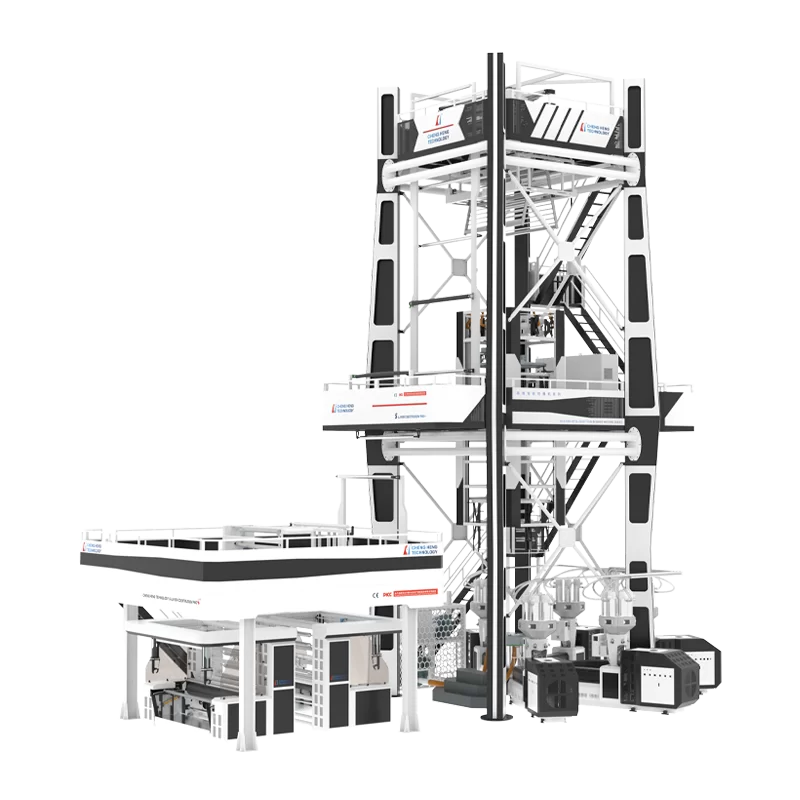
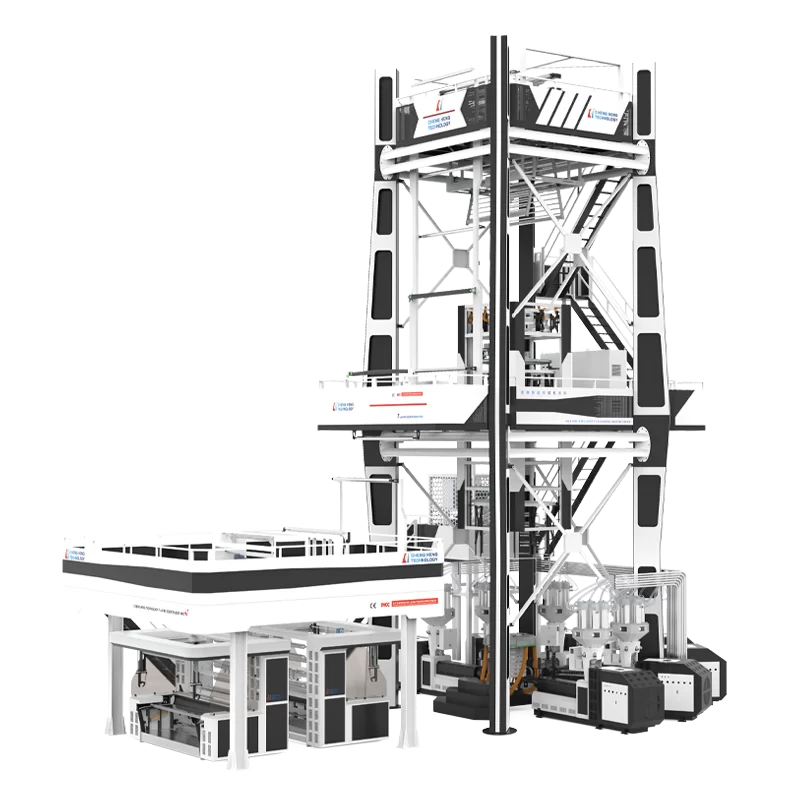
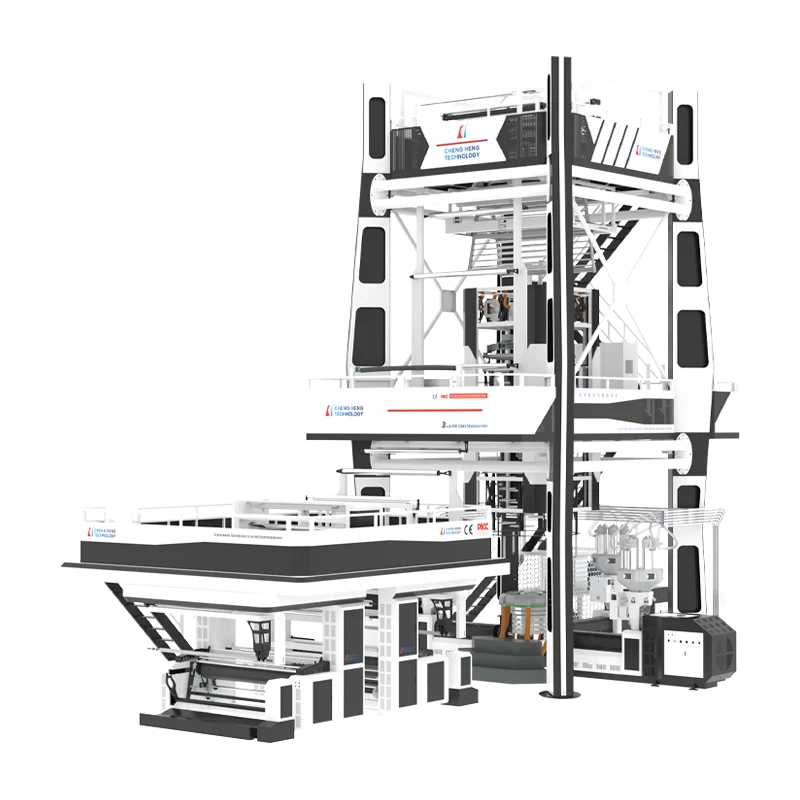
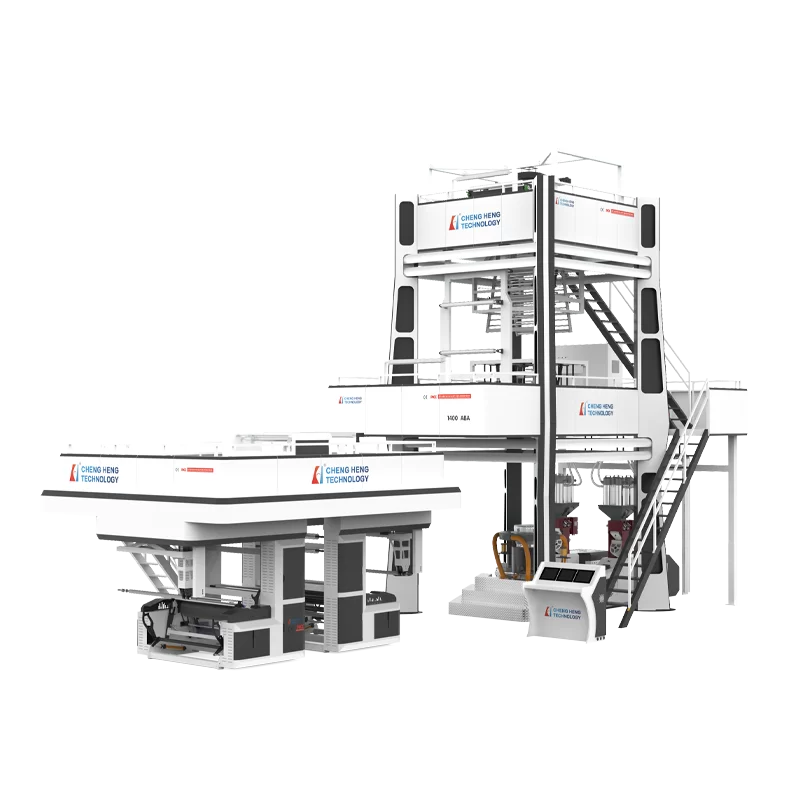
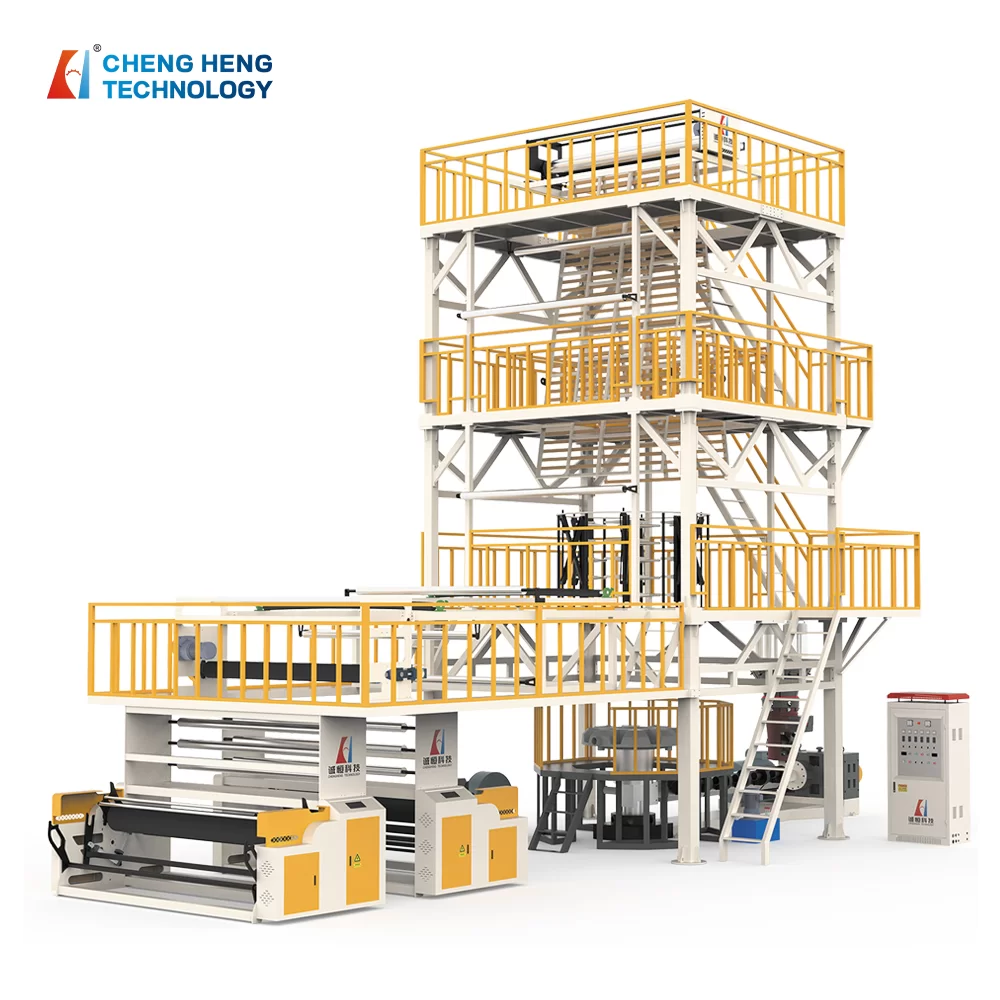
Advanced blown film production line Solutions for Germany

Engineering high-precision plastic extrusion systems designed for the rigorous standards of the German manufacturing sector.

Advanced blown film production line Solutions for Germany

Providing Germany's plastic processing industry with state-of-the-art extrusion technology to maximize output and sustainability.

Current State of Plastic Extrusion in Germany

Analyzing the synergy between German engineering precision and modern film blowing technology.

Germany represents the heart of European machinery excellence, where the demand for a film blowing machine is driven by stringent quality controls and a shift toward circular economy models. The industry currently faces a dual challenge: maintaining high industrial throughput while adhering to the EU's strict plastic reduction directives.

The local market in Germany is characterized by a transition toward biodegradable polymers and recycled resins. Consequently, the modern blown film line must now integrate advanced degassing systems and precise temperature controls to handle varying material viscosities without compromising film clarity.

Economic pressures and energy costs in Central Europe have pushed German manufacturers to seek an optimized blown film extrusion machine that reduces power consumption per kilogram of output, leading to a surge in demand for servo-driven technology and energy-efficient heating elements.
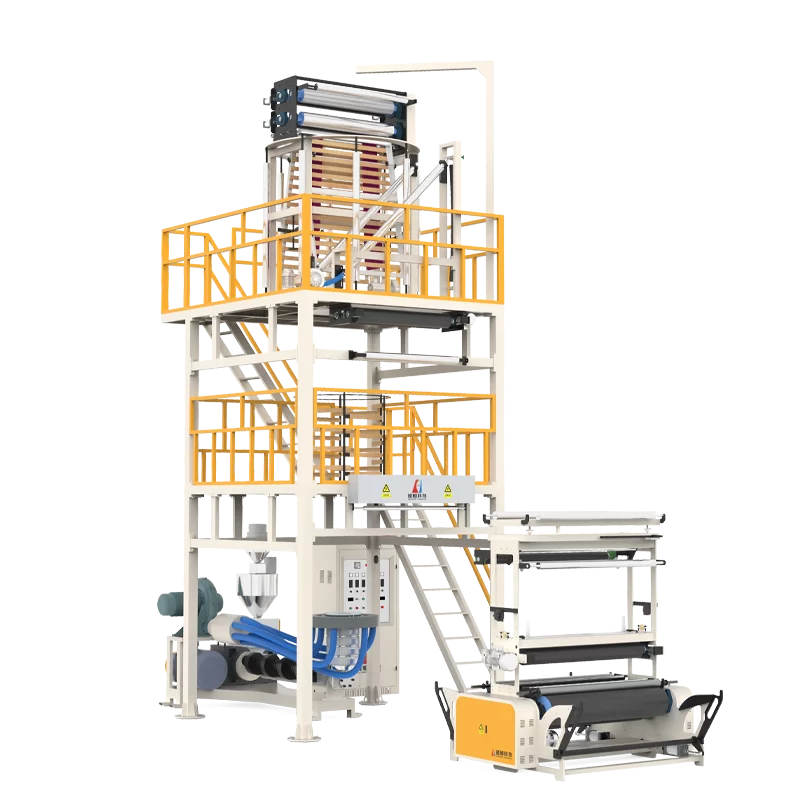
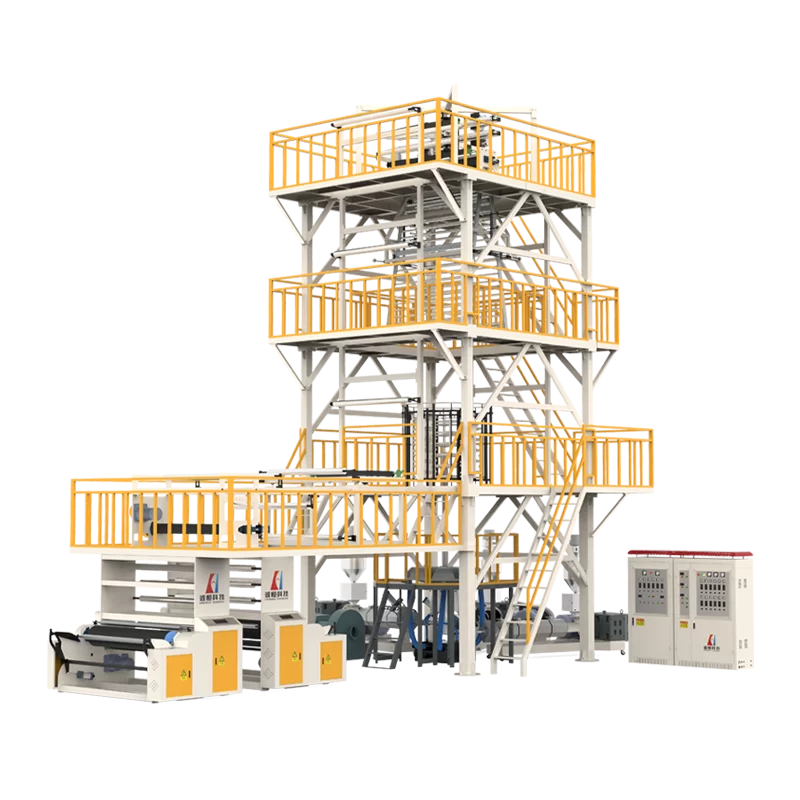
Evolution and Trajectory of Blown Film Technology

From traditional monolithic extrusion to AI-driven smart production.

Market Development History

During the late 20th century, the German market relied on heavy-duty, single-screw systems. The early lown film machine setups were primarily focused on durability and mechanical stability, producing thick industrial liners with limited versatility.

By the 2010s, the industry transitioned toward multi-layer co-extrusion. This era saw the introduction of 3-layer and 5-layer technologies, allowing German producers to create high-barrier films that reduced overall plastic weight while increasing strength, marking a critical shift toward material efficiency.

From 2020 onwards, the integration of Industry 4.0 has become standard. Today's blown film production line incorporates IoT sensors and real-time thickness monitoring, ensuring zero-defect production and automated adjustments to meet ISO standards.

Future Development Trends

Biodegradable Material Integration

The next 3 years will see a massive shift toward PLA and PBAT materials, requiring specialized screw designs to prevent thermal degradation during extrusion.

Hyper-Automation and AI Control

AI-driven closed-loop systems will automatically adjust air rings and haul-off speeds, eliminating human error and reducing scrap rates by up to 15%.

Energy Recovery Systems

Future installations will focus on heat recovery from the cooling stage to pre-heat raw materials, significantly lowering the carbon footprint of German factories.

Industry Trends and Future Outlook

Strategic forecasting for the plastic packaging machinery sector in Europe.

Circular Economy Alignment
Integration of 100% PCR (Post-Consumer Recycled) resin processing capabilities.
Precision Thin-Walling
Developing ultra-thin films to reduce plastic consumption without losing tensile strength.
Smart Maintenance (Predictive)
Using vibration analysis and thermal imaging to predict component failure before downtime occurs.
Modular Extrusion Design
Rapid-change die heads and modular screws for fast product switching in small-batch orders.

Industry Outlook

Based on Google search trends in Western Europe, there is a significant spike in queries related to "compostable film extrusion" and "carbon-neutral manufacturing." This indicates that German companies are no longer prioritizing raw speed, but rather the ecological footprint of their production process.

We anticipate that the integration of high-efficiency blown film extrusion machine units with hybrid power systems will become the dominant trend by 2027, aligning with Germany's national goal of industrial decarbonization.

Localized Application Scenarios in Germany

Real-world implementations of high-performance extrusion lines across German industries.

1. High-Barrier Food Packaging in Bavaria

Deployment of a multi-layer blown film line to produce oxygen-barrier films for the organic sausage and cheese industry, extending shelf life naturally.

2. Agricultural Mulch Films in Lower Saxony

Utilizing a specialized lown film machine to create biodegradable mulch films that decompose in the soil, supporting sustainable farming practices.

3. Industrial Shrink Wrap for Automotive Parts in Stuttgart

Implementation of a heavy-duty film blowing machine producing high-strength LLDPE films for protecting precision automotive components during export.

4. Medical-Grade Sterilization Packaging in Berlin

Using a clean-room compatible blown film production line to manufacture puncture-resistant films for surgical instrument packaging.

5. E-commerce Courier Bags in North Rhine-Westphalia

High-speed production of recycled co-extruded films for the booming logistics sector, focusing on tear resistance and secure sealability.

Brand Story

Global Development Journey of Maqi Intelligent Technology Hebei Co., Ltd.

Foundational Excellence

Established with a vision to bridge the gap between raw industrial power and precision control in plastic extrusion.

Technological Breakthrough

Developed proprietary screw geometry and cooling air ring technology to eliminate gauge variation in high-speed lines.

European Market Entry

Successfully adapted machinery to meet CE certifications and German energy efficiency standards, entering the EU market.

Sustainability Pivot

Launched the "Green-Extrude" series, specifically designed for 100% biodegradable and PCR material processing.

Global Intelligent Leadership

Now leading the industry in AI-integrated extrusion, providing smart factories with fully autonomous production lines.

Comprehensive Product Portfolio for the German Market

Precision-engineered equipment tailored for European environmental and industrial standards.

Common Questions for German Operators

Expert answers to the most technical queries regarding film extrusion in Europe.

How does your blown film production line comply with EU energy directives?

Our lines utilize high-efficiency ceramic heaters and AC servo motors that reduce energy waste by 20% compared to traditional systems, fully aligning with EU Eco-design requirements.

Can a film blowing machine be modified for 100% PCR resins?

Yes, we provide specialized degassing extruders and filtration systems specifically designed to handle the impurities found in Post-Consumer Recycled (PCR) resins.

What is the typical lead time for a custom blown film line in Germany?

Depending on the complexity of the co-extrusion layers, lead times typically range from 8 to 12 weeks, including rigorous factory acceptance testing (FAT).

How do you ensure thickness uniformity in a blown film extrusion machine?

We integrate an automatic thickness gauge system with a closed-loop air ring control that adjusts cooling air in real-time to maintain micron-level precision.

Is the lown film machine compatible with biodegradable PLA materials?

Absolutely. Our machines feature specialized low-shear screws and precise temperature zones to prevent the thermal degradation common with PLA and PBAT.

What after-sales support is available for machinery installed in Germany?

We provide remote diagnostic support via IoT, on-site installation, and a comprehensive spare parts inventory to ensure minimal downtime for your production.

Ready to Optimize Your Production?

Partner with the leaders in precision extrusion for your facility in Germany.

Contact Us Now