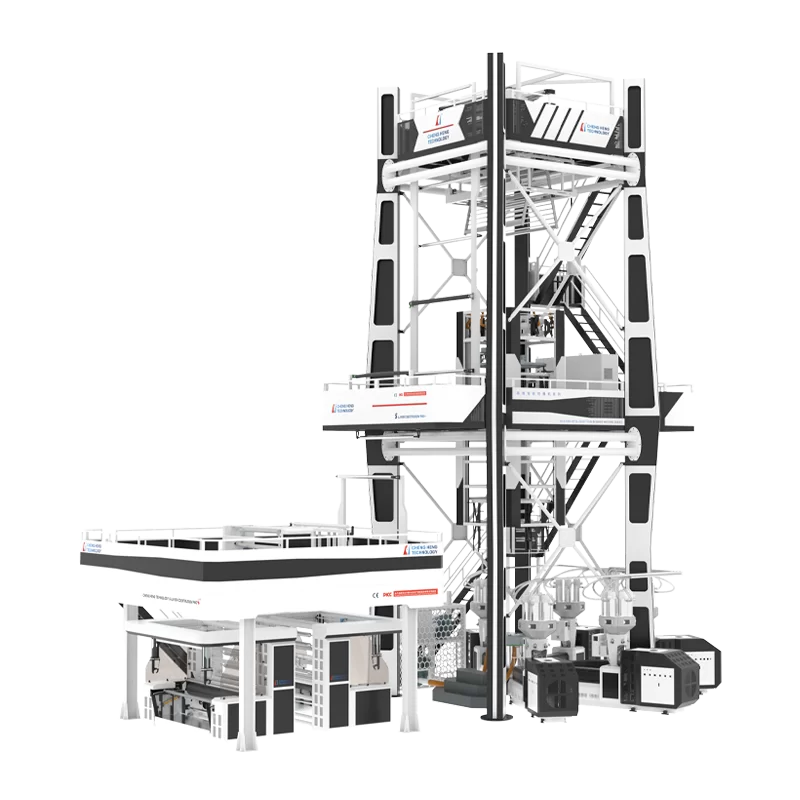
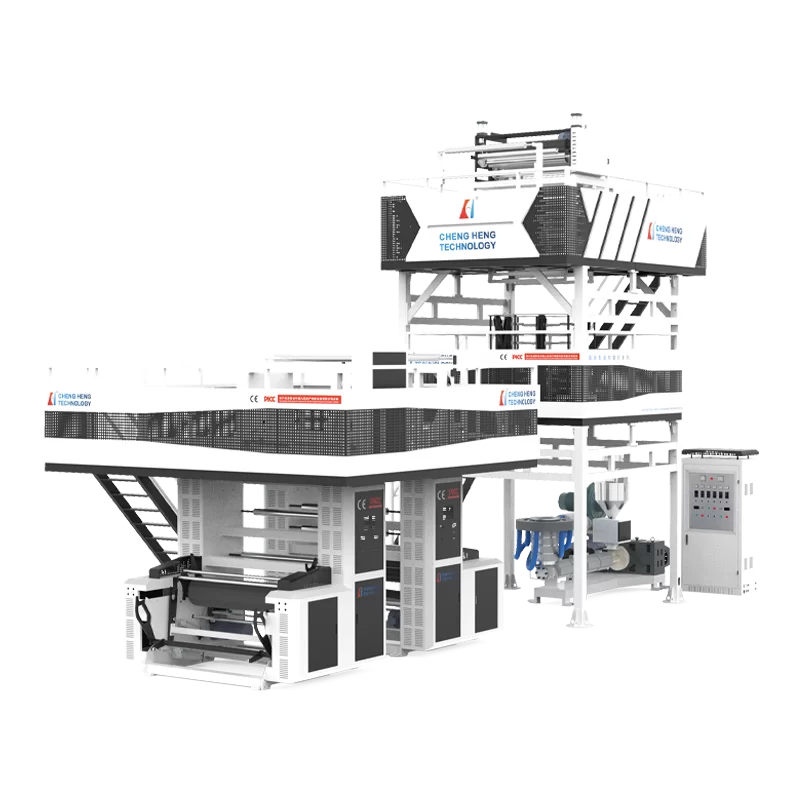
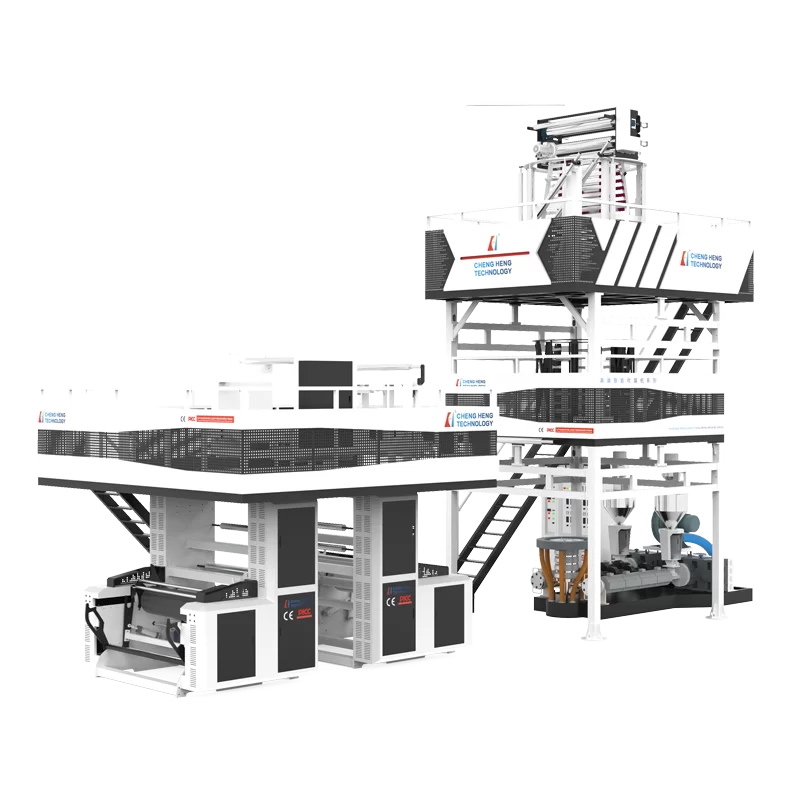
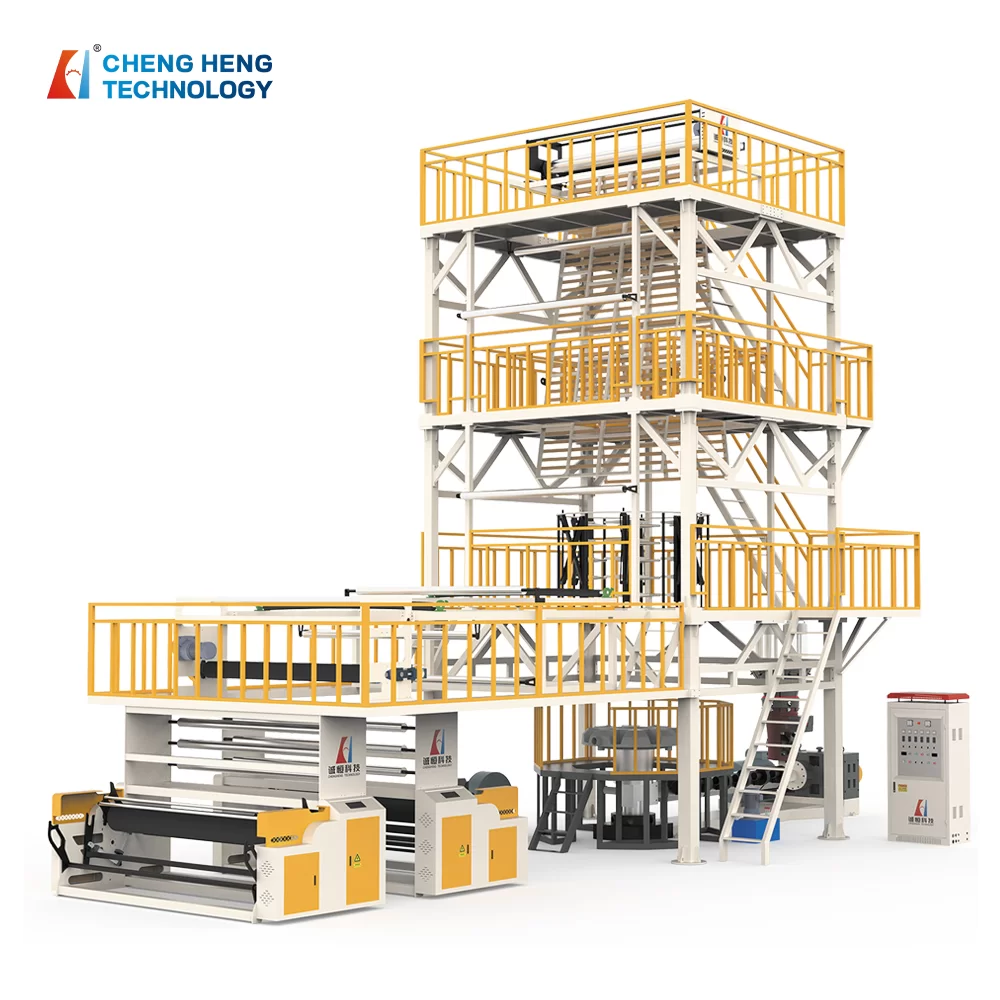
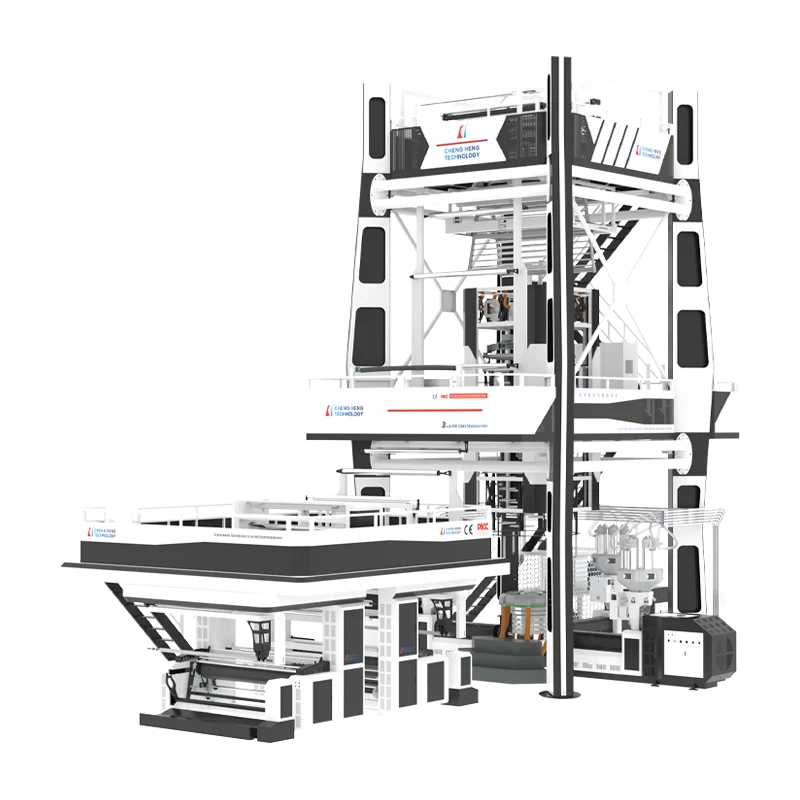
Advanced Blown Film Production Line Solutions for Pakistan's Packaging Industry

High-efficiency extrusion technology tailored for the diverse plastic processing needs of the Pakistani market, ensuring durability and precision.

Advanced Blown Film Production Line Solutions for Pakistan's Packaging Industry

We provide state-of-the-art extrusion systems designed to optimize the output of high-quality polyethylene films, catering to Pakistan's growing demand for industrial and consumer packaging.

The Current Landscape of Plastic Film Manufacturing in Pakistan

Analyzing the operational challenges and market dynamics of the blow molding sector in Asia - Pakistan.

The manufacturing sector in Pakistan, particularly in hubs like Karachi and Lahore, relies heavily on the film blowing machine to meet the demand for shopping bags, agricultural mulch, and food packaging. However, many local factories still operate with legacy equipment that lacks energy efficiency and precise gauge control.

Environmental conditions in Pakistan, characterized by extreme heat and humidity, place significant stress on the cooling systems of a blown film extrusion machine. This often leads to inconsistent film thickness and increased scrap rates, driving the need for advanced air-ring cooling technology and stabilized extrusion temperatures.

Economically, the industry is shifting toward the use of recycled resins to reduce raw material costs. This transition requires a robust blown film line capable of handling contaminated PCR (Post-Consumer Recycled) plastics without compromising the structural integrity of the finished film.
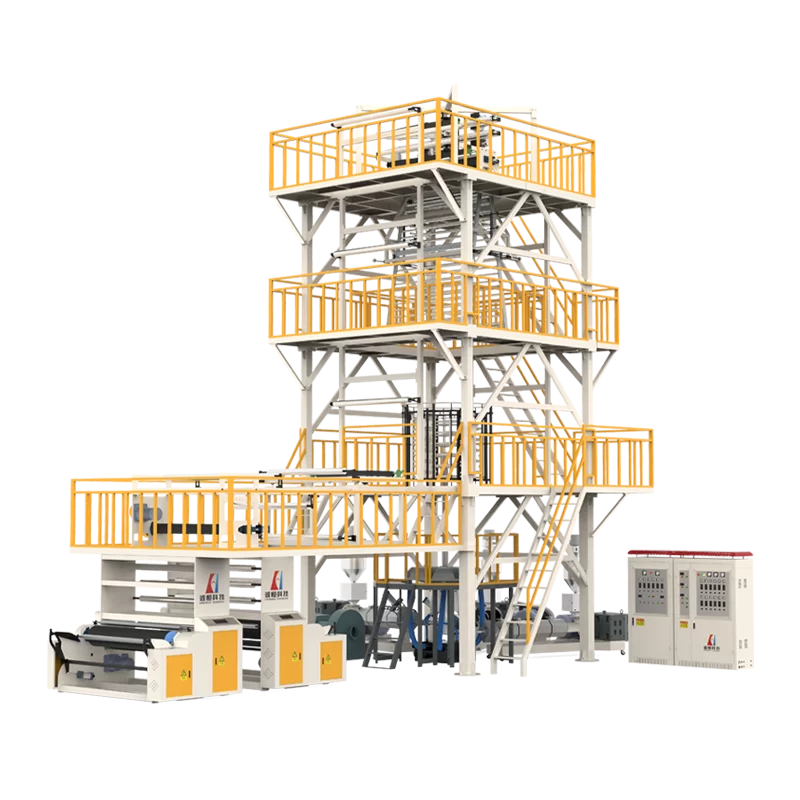
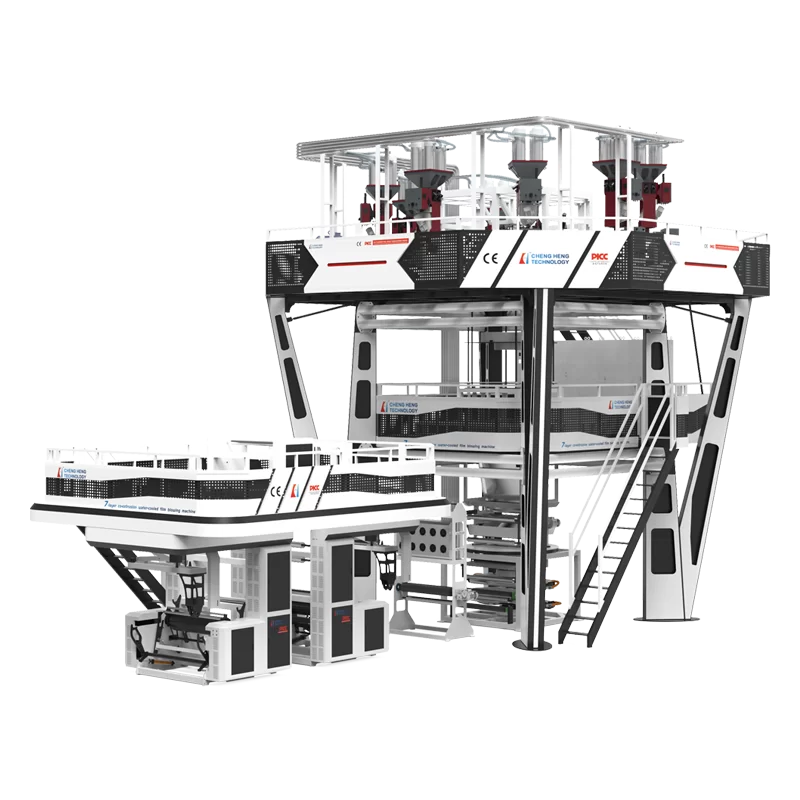
Technological Evolution and Development Trajectory

From manual controls to intelligent automation in the Pakistani plastic industry.

Market Development History

In the early 2000s, the Pakistani market was dominated by basic manual lown film machine units. These machines focused on high volume rather than quality, producing thick, uneven films primarily for heavy-duty industrial use.

Between 2010 and 2020, there was a significant shift toward semi-automatic systems. The introduction of PID temperature controllers and improved screw designs allowed manufacturers to produce thinner, more transparent films, expanding the market into the FMCG sector.

Currently, the industry is entering the era of Industry 4.0. Modern plants are integrating PLC-controlled blown film production line systems that offer real-time monitoring, drastically reducing human error and increasing energy efficiency by up to 30%.

Future Development Trends

Biodegradable Polymer Integration

With increasing global pressure on plastic waste, Pakistan is seeing a rise in demand for machines capable of processing PLA and PBAT materials to produce compostable films.

Nano-Layer Co-extrusion

The trend is moving toward 3-layer and 5-layer co-extrusion to create high-barrier films, reducing the need for aluminum foil laminates in food packaging.

Energy-Saving Servo Drive Systems

To combat rising electricity costs in Pakistan, the adoption of servo-motor-driven haul-off and wind-up units is becoming the gold standard for new installations.

Industry Outlook and Future Projections

Strategizing for the next 5 years of plastic extrusion in Asia - Pakistan.

Circular Economy Integration
Integrating advanced filtration and degassing systems into the blown film extrusion machine to enable 100% recycled feedstock.
Smart Gauge Control
Implementation of infrared thickness sensors and automatic air-ring adjustments for zero-defect film production.
High-Speed Output
Development of ultra-high-speed blown film line systems to meet the rapid urban consumption growth in Pakistan.
Energy-Efficient Heating
Transitioning to ceramic heaters and induction heating to lower the carbon footprint of extrusion plants.

Industry Outlook

Over the next 3-5 years, we anticipate a surge in the adoption of specialized blown film production line technology that prioritizes material reduction (down-gauging). This trend is driven by the need to lower costs per unit while maintaining the mechanical strength of the film.

Furthermore, Google search trends indicate a growing interest in "eco-friendly plastic machinery" within South Asia. This suggests that Pakistani entrepreneurs are actively seeking equipment that supports biodegradable resins, positioning the market for a transition toward sustainable packaging.

Local Application Scenarios in Pakistan

Tailored deployments of extrusion technology for specific Pakistani market needs.

1. Agricultural Mulch Film Production in Punjab

Deploying a heavy-duty blown film line to produce UV-stabilized mulch films that protect crops from Pakistan's intense sunlight and regulate soil moisture in arid regions.

2. High-Volume T-Shirt Bag Manufacturing in Karachi

Utilizing high-speed film blowing machine units to supply the retail sector with durable, cost-effective carrier bags using a mix of HDPE and recycled pellets.

3. Food Grade Packaging for Lahore's FMCG Sector

Implementing a multi-layer blown film extrusion machine to create high-barrier packaging for snacks and frozen foods, ensuring extended shelf life in warm climates.

4. Industrial Shrink Wrap for Textile Exports

Customizing production lines to generate high-clarity LDPE shrink films used for protecting textile exports during shipping from Gwadar and Karachi ports.

5. Medical Grade Sterile Film for Health Centers

Using a precision-controlled lown film machine to produce contaminate-free, high-strength medical packaging films for hospitals and clinics across the country.

Brand Story

Global Development Journey of Maqi Intelligent Technology Hebei Co., Ltd.

Founding Vision

Maqi was founded with a mission to solve the instability issues in plastic extrusion, focusing on creating machines that offer consistent thickness and low waste.

Technological Breakthrough

We pioneered the integration of intelligent PLC systems into standard extrusion lines, enabling operators to manage complex parameters with a single touch.

Global Expansion

Recognizing the needs of emerging markets, we expanded our footprint into Asia, optimizing our equipment for varying power grids and environmental conditions.

Sustainability Pivot

We invested heavily in R&D to create machinery capable of processing 100% biodegradable materials, supporting the global shift toward a plastic-free ocean.

Customer-Centric Leadership

Today, Maqi is a leader in providing turnkey solutions, from raw material selection to final product testing, for the global packaging industry.

Complete Extrusion Portfolio for the Pakistan Market

A comprehensive range of machinery designed to scale your production from small workshops to industrial complexes.

Common Questions for Plastic Manufacturers in Pakistan

Expert answers to the most frequent technical and operational queries.

How to maintain a blown film extrusion machine in high-temperature climates?

In Pakistan's heat, it is critical to use enhanced chilled water systems for the air ring and ensure the electrical panels are equipped with industrial cooling fans to prevent PLC overheating.

Can a blown film production line handle 100% recycled LDPE?

Yes, provided the line is equipped with an automatic screen changer and a high-torque screw design to handle the impurities common in recycled resins.

What is the average power consumption of a modern film blowing machine?

Modern energy-saving models use inverter technology and ceramic heaters, reducing power consumption by approximately 20-30% compared to older resistive heating models.

How do I reduce thickness variation in my blown film line?

Variation is typically caused by uneven cooling. Upgrading to a high-precision dual-lip air ring and ensuring a stable melt temperature through PID control usually solves this.

Which lown film machine is best for producing biodegradable bags?

For biodegradable resins like PLA, you need a machine with specialized screw geometry and precise temperature zones to prevent the polymer from degrading during extrusion.

What are the lead times for shipping a full production line to Pakistan?

Depending on the customization level, manufacturing takes 30-45 days, with shipping to Karachi port typically taking an additional 20-30 days.

Ready to Upgrade Your Production?

Our engineers are ready to provide customized extrusion solutions specifically for the industrial needs of Pakistan.

Contact Us Now