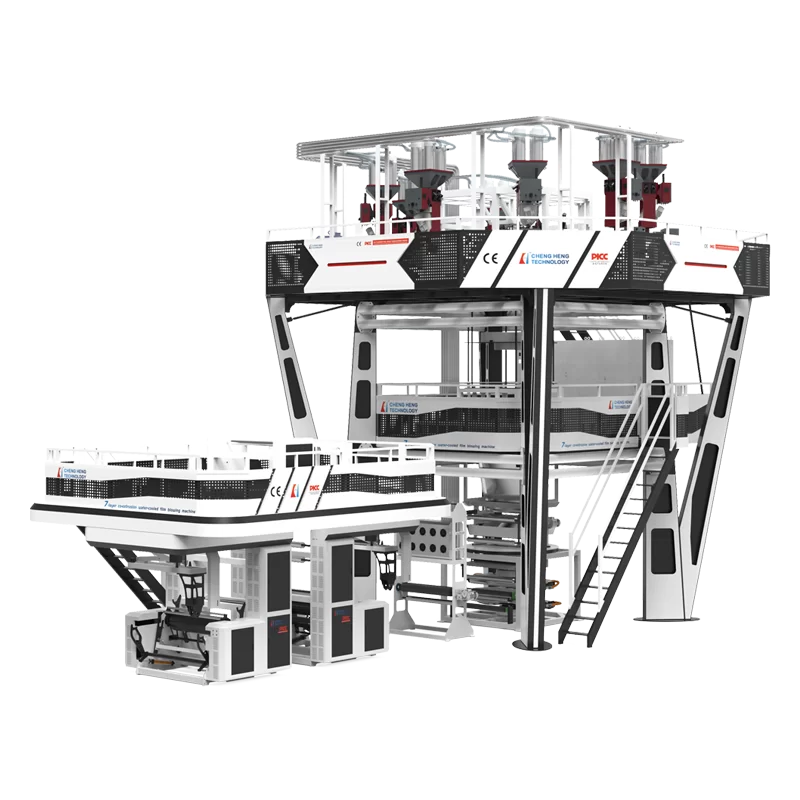
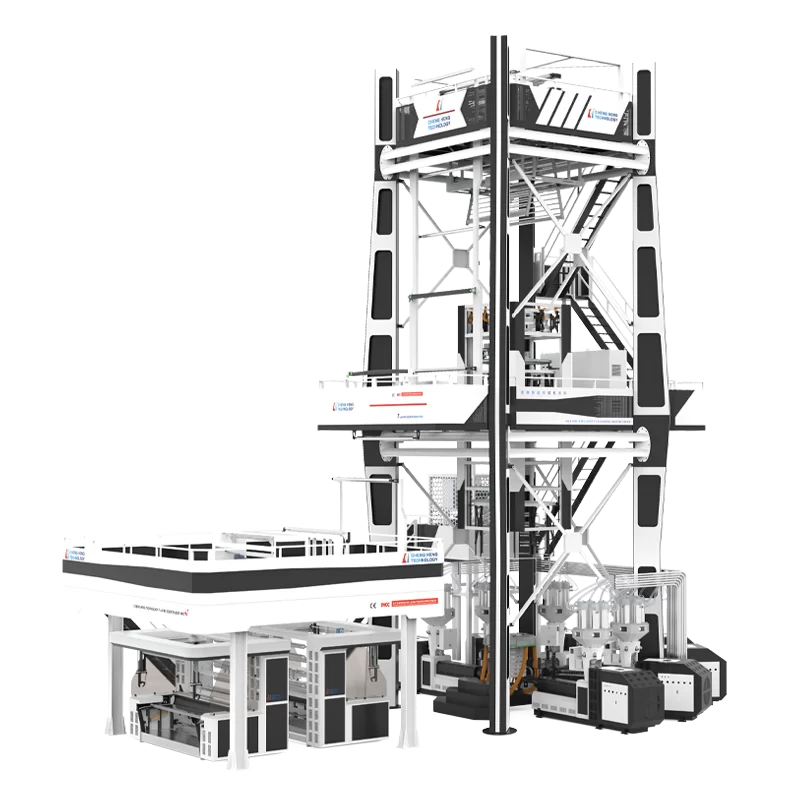
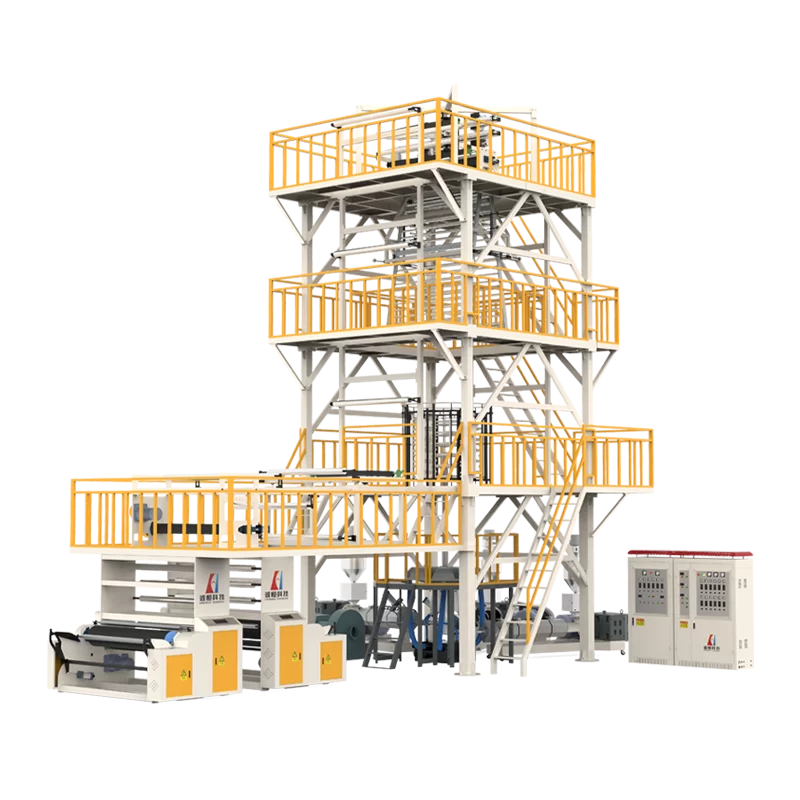
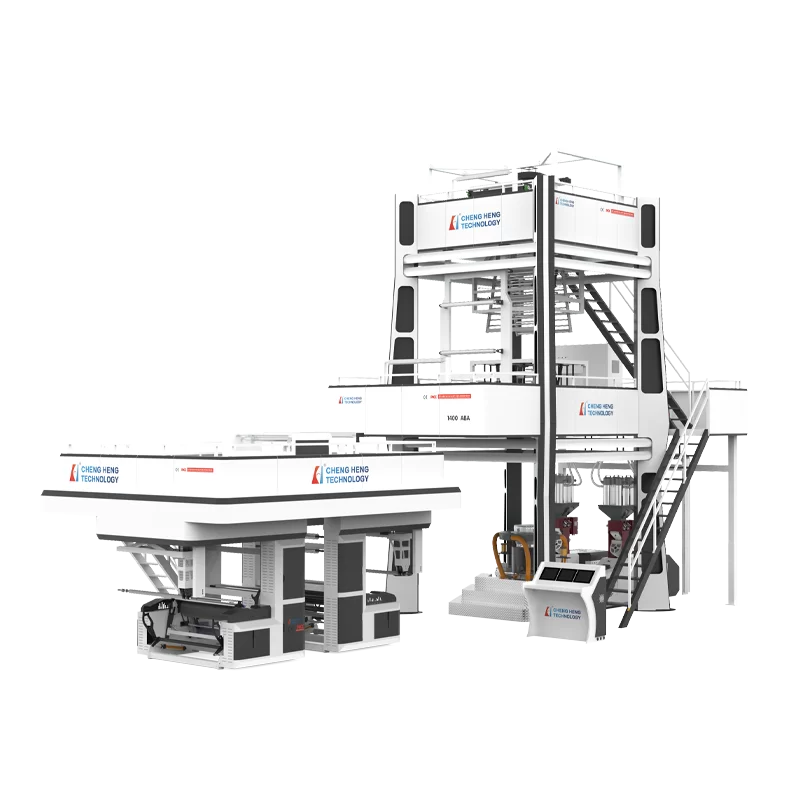
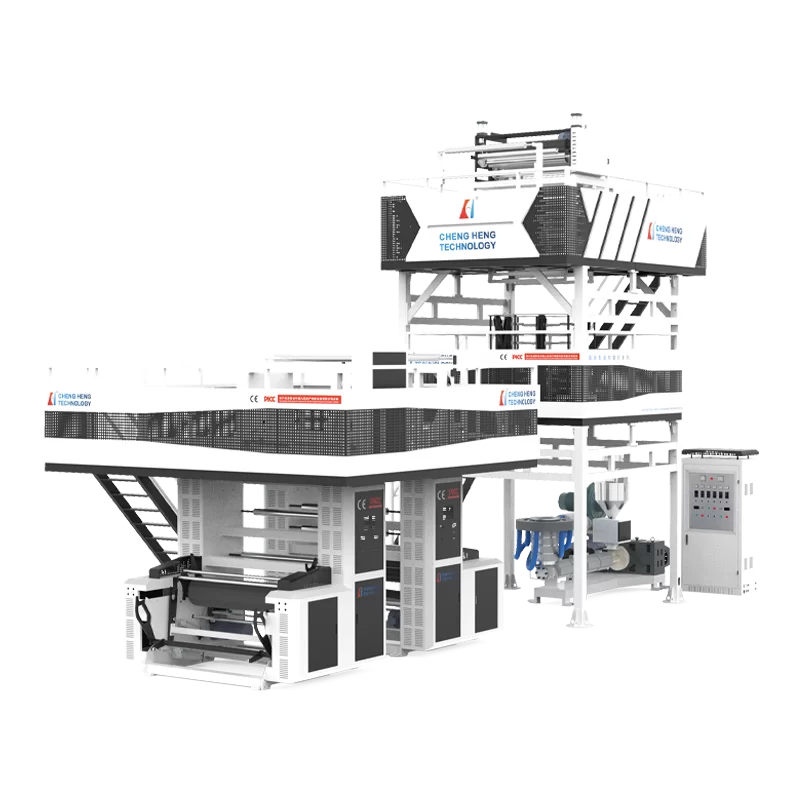
High-Efficiency blown film production line Solutions for Netherlands Market

Engineering precision plastic extrusion systems tailored for the Dutch commitment to sustainability and industrial circularity.

High-Efficiency blown film production line Solutions for Netherlands Market

Providing the Netherlands' packaging industry with advanced extrusion technology to optimize output and reduce carbon footprints through state-of-the-art machinery.

Plastic Extrusion Landscape in the Netherlands

Analyzing the operational reality of film production within the Benelux economic hub.

The Netherlands serves as a critical logistics gateway for Europe, where the demand for high-quality packaging is immense. However, the industry is currently under strict regulatory pressure from EU plastic directives, forcing manufacturers to upgrade from traditional film blowing machine setups to systems capable of processing biodegradable and recycled polymers.

Geographically, the Dutch market is characterized by high labor costs and a dense industrial infrastructure. This environment necessitates the adoption of highly automated blown film line systems that minimize manual intervention and maximize energy efficiency to remain competitive in the global market.

Furthermore, the local focus on "Circular Economy" means that the modern blown film extrusion machine must now integrate sophisticated filtration and degassing systems to handle post-consumer recycled (PCR) resins without compromising the mechanical properties of the final film.
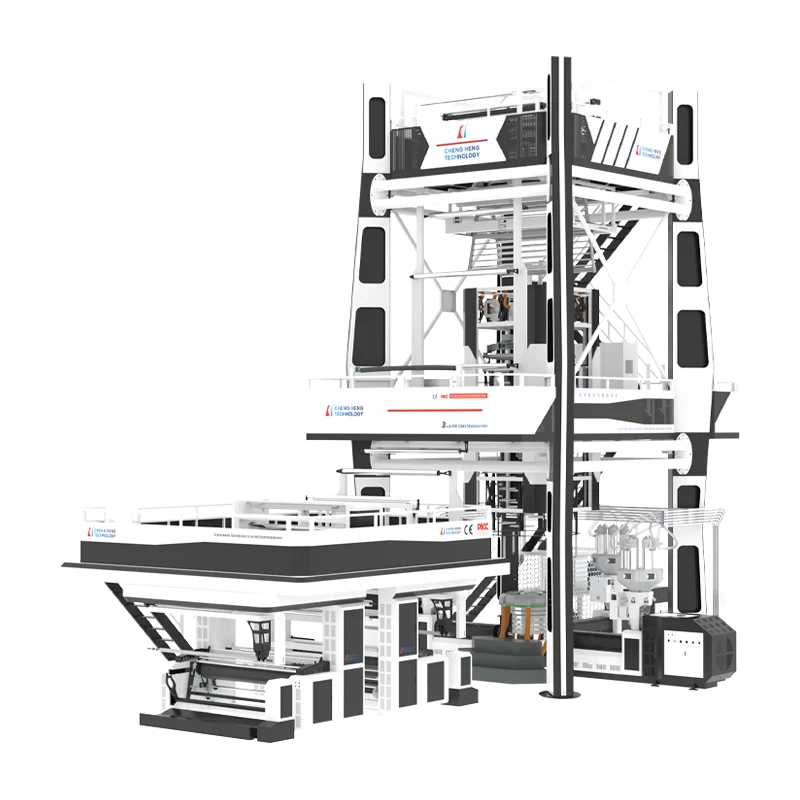
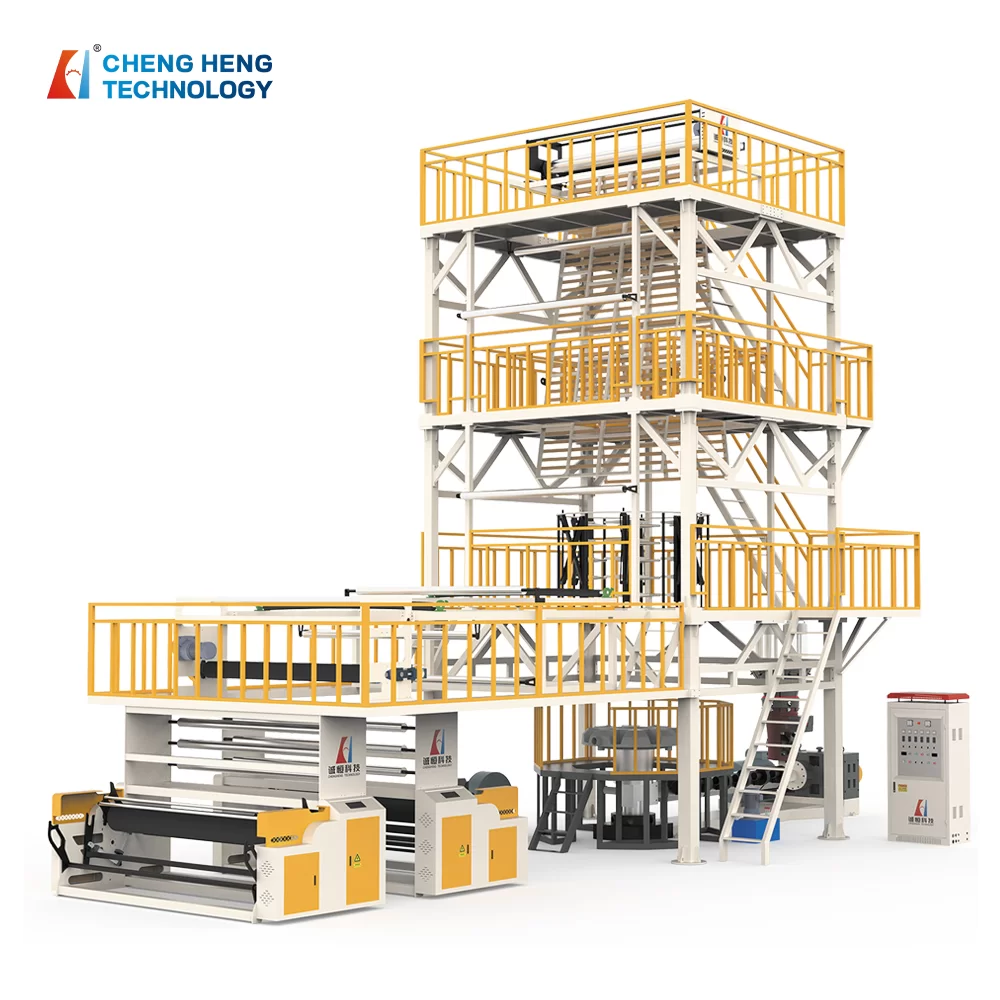
Technical Evolution of Film Production

Tracing the trajectory from basic extrusion to intelligent, sustainable manufacturing.

Market Development History

In the late 20th century, the Dutch market relied on mechanical lown film machine technology, which focused primarily on volume and basic LDPE production for agricultural use, such as greenhouse covers prevalent in Westland.

By the 2010s, the industry shifted toward multi-layer co-extrusion. The introduction of 3-layer and 5-layer technology allowed producers to create barrier films, reducing material usage while increasing strength, marking a transition toward high-performance industrial packaging.

From 2020 onwards, the integration of Industry 4.0 has become standard. Modern lines now feature PLC-controlled synchronization and AI-driven bubble stability monitoring, ensuring that every meter of film meets stringent European quality standards.

Future Development Trends

Bio-Polymer Optimization

The next 3-5 years will see a surge in machines specifically calibrated for PLA and PBAT materials to meet the Netherlands' aggressive plastic reduction targets.

Energy Recovery Systems

Integrating heat exchangers into the extrusion process will become mandatory to lower electricity consumption, aligning with Dutch green energy initiatives.

Nano-Layer Technology

Moving toward ultra-thin, high-strength films through nano-layering to drastically reduce the total volume of plastic entering the waste stream.

Industry Trends and Future Outlook

Strategic directions for the next generation of plastic processing equipment.

PCR Integration
Enhanced screw designs to handle high percentages of Post-Consumer Recycled materials without degradation.
Smart Automation
Integration of IoT sensors for real-time wall thickness control and automatic gauge adjustment.
Energy Efficiency
Low-inertia motors and optimized heating bands to reduce kWh per kg of produced film.
Material Diversification
Versatile screw configurations for rapid switching between PE, PP, and compostable resins.

Industry Outlook

The future of film extrusion in the Netherlands is inextricably linked to the "Green Deal." We predict a massive migration toward closed-loop systems where the machinery is designed not just for production, but for the seamless integration of recycled feedstocks.

Google search trends indicate a rising interest in "carbon-neutral manufacturing," suggesting that manufacturers who invest in energy-efficient extrusion lines will capture the majority of the B2B market share in the coming decade.

Localized Applications in the Netherlands

Real-world implementation of extrusion technology across various Dutch sectors.

1. High-Tech Greenhouse Horticulture

Utilizing a specialized blown film production line to produce UV-stabilized, anti-drip films for the massive greenhouse clusters in the Westland region.

2. Sustainable Logistics Packaging

Deploying high-speed lines to create ultra-thin stretch wraps for the logistics hubs around Rotterdam, focusing on reducing plastic weight while maintaining load stability.

3. Food Grade Barrier Films

Implementing multi-layer co-extrusion for the Dutch dairy and cheese industry, ensuring oxygen barriers that extend shelf life and reduce food waste.

4. Circular Economy Waste Bags

Configuring machines to process 100% recycled HDPE for the production of municipal waste bags, meeting the strict circularity requirements of Dutch municipalities.

5. Industrial Heavy-Duty Liners

Producing high-strength, puncture-resistant liners for the chemical industry in the Port of Antwerp-Rotterdam area using reinforced resin blends.

Brand Story

Global Development Journey of Maqi Intelligent Technology Hebei Co., Ltd.

Founding Vision

Established with a mission to bridge the gap between raw industrial output and precision engineering in the plastic machinery sector.

Technological Breakthrough

Developed proprietary screw and die designs that solved the common issue of bubble instability in high-speed extrusion.

Global Expansion

Entered the European market, adapting our machinery to meet the rigorous CE standards and the specific sustainability needs of the EU.

Sustainable Pivot

Invested heavily in R&D for biodegradable polymer processing, enabling our clients to transition to eco-friendly materials seamlessly.

Industry Leadership

Recognized as a key partner for manufacturers in the Netherlands, providing end-to-end solutions for the modern circular economy.

Common Questions from Dutch Manufacturers

Technical insights and regulatory guidance for the local market.

How can a blown film production line help in reducing carbon emissions?

Modern lines utilize energy-saving heating elements and high-efficiency motors, reducing the overall kWh per kg of resin processed, directly lowering the operational carbon footprint.

Is it possible to use 100% recycled HDPE in a standard film blowing machine?

While possible, it requires a specialized screw design and an advanced filtration system to remove contaminants and ensure consistent melt strength and film clarity.

What are the main differences between a basic blown film line and a co-extrusion line?

A basic line produces single-layer films, whereas a co-extrusion line combines multiple resins to create films with specific properties, such as higher barrier protection or increased strength.

How do I ensure my blown film extrusion machine complies with EU safety standards?

Ensure the equipment is CE certified, features integrated emergency stop systems, and employs enclosed heating zones to prevent operational hazards.

Can a lown film machine be adapted for biodegradable plastics like PLA?

Yes, but it requires precise temperature control and specific screw compression ratios to prevent the thermal degradation of bio-polymers.

What is the typical lead time for installing a new production line in the Netherlands?

Lead times vary by complexity, but typically range from 8 to 14 weeks, including manufacturing, shipping, and on-site commissioning by our engineers.

Ready to Optimize Your Production?

Contact our expert team to find the perfect extrusion solution for your facility in Netherlands.

Contact Us Now