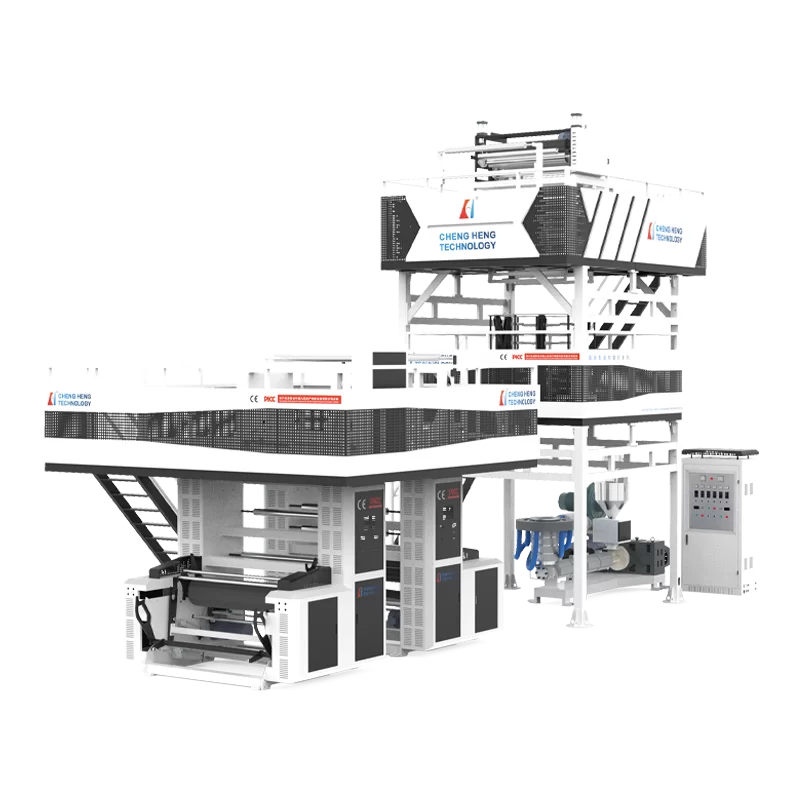
High-Efficiency blown film production line Solutions for North Korea

Industrial-grade plastic extrusion technology engineered for durability, energy efficiency, and high-output packaging production in the North Korean manufacturing sector.

High-Efficiency blown film production line Solutions for North Korea

We provide specialized extrusion equipment designed to meet the rigorous demands of the North Korean industrial landscape, ensuring stable production of high-quality plastic films.

Current State of Plastic Film Manufacturing in North Korea

Analyzing the industrial environment for film blowing machine operations in Asia - North Korea.

The manufacturing sector in North Korea currently faces a unique intersection of aging infrastructure and a growing demand for localized packaging materials. The reliance on domestic raw materials means that any blown film extrusion machine must be capable of handling varying resin purity levels without compromising the structural integrity of the final product.

Due to the regional climate and energy constraints, there is a significant shift toward equipment that minimizes power consumption. Local factories are increasingly seeking a reliable blown film line that can operate stably under fluctuating voltage conditions, which is a common challenge in the regional power grid.

Furthermore, the demand for agricultural films and industrial liners is peaking. This has led to a strategic push for integrating more advanced lown film machine technology to replace obsolete manual processes with semi-automated systems that increase yield and reduce waste.
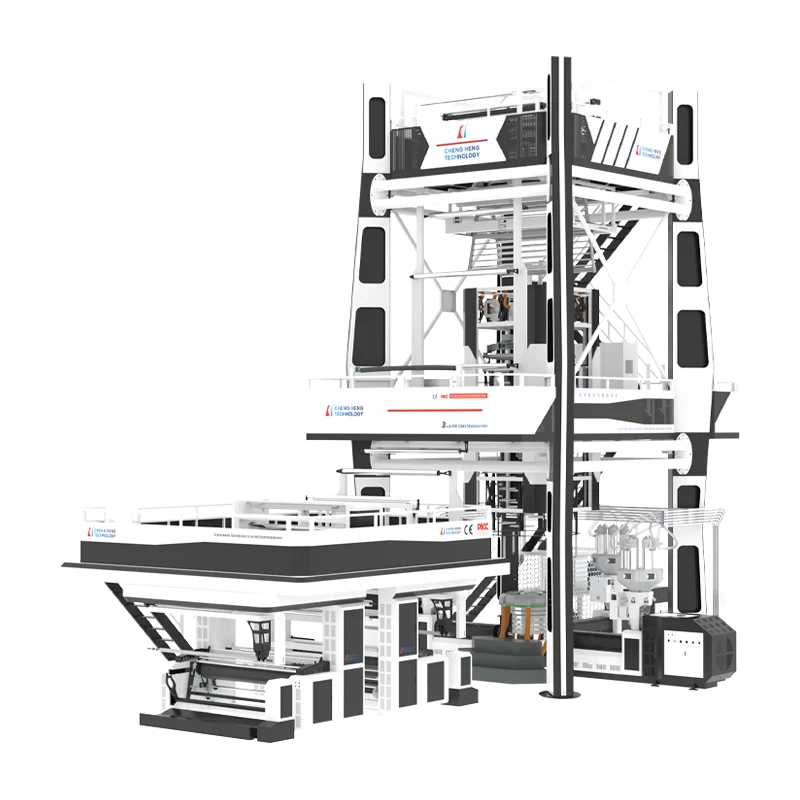
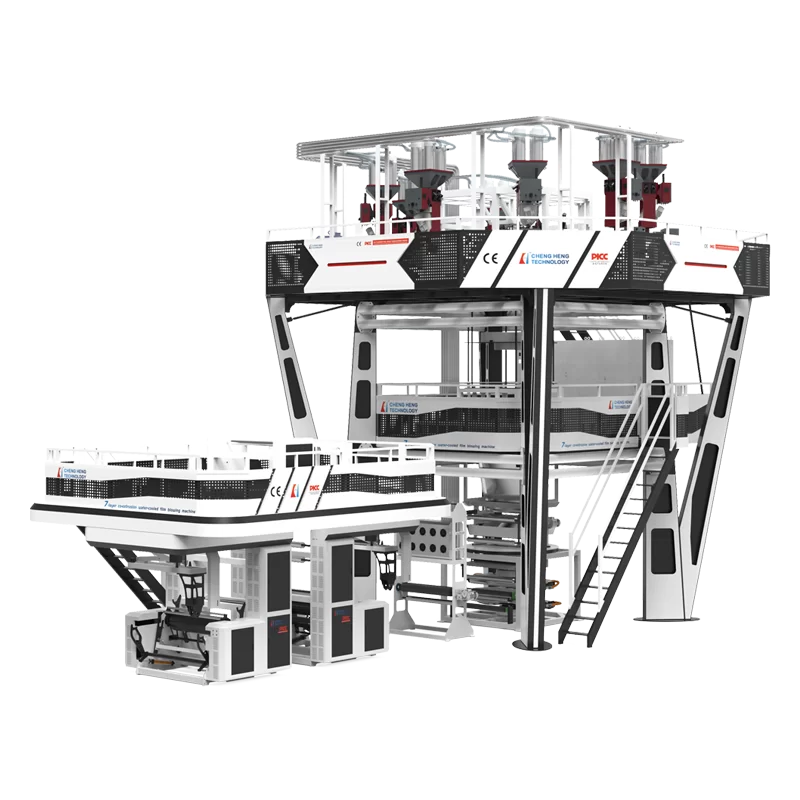
Evolution and Technical Trajectory of Blown Film Technology

From basic extrusion to high-precision automated systems in the regional market.

Market Development History

Between 1990 and 2010, the North Korean market relied heavily on first-generation single-screw extrusion systems. These early machines were primarily mechanical, with limited temperature control, resulting in inconsistent film thickness and high scrap rates.

From 2011 to 2020, the introduction of PLC-controlled film blowing machine units began to standardize production. This era marked the transition toward multi-layer co-extrusion, allowing factories to produce barrier films for food preservation.

Since 2021, the focus has shifted toward "Smart Extrusion." The integration of servo-motor drives and advanced air-ring cooling systems has allowed the modern blown film production line to achieve thinner gauges without sacrificing tensile strength.

Future Development Trends

Biodegradable Polymer Integration

Driven by global environmental shifts, we predict a move toward machines capable of processing PLA and PBAT resins to reduce long-term plastic pollution in Asia.

Energy-Saving Heating Elements

The adoption of infrared heating and ceramic heaters will reduce the carbon footprint and operational costs of the blown film extrusion machine.

AI-Driven Thickness Control

Future lines will incorporate real-time sensors and AI feedback loops to automatically adjust the bubble diameter, ensuring zero-defect production.

Future Outlook for Plastic Extrusion in North Korea

Strategic predictions for the next 3-5 years of the packaging industry.

Resource Optimization
Maximizing the use of recycled PE/PP resins through advanced filtration systems in the blown film line.
Automated Winding
Implementing automatic roll-change systems to reduce downtime and labor intensity in production.
Multi-layering Tech
Expanding from 2-layer to 3-layer and 5-layer systems for specialized industrial packaging.
Modular Design
Easily upgradable components to allow factories to scale output as regional demand grows.

Industry Outlook

The trajectory of the plastic industry in North Korea is moving toward self-sufficiency. By adopting more efficient lown film machine technology, the region can decrease its reliance on imported finished films and increase the value-add of its own chemical industry.

Google search trends indicate a rising interest in "energy-efficient extrusion" and "recycled plastic processing" within the Asian industrial sector, suggesting that the future of the blown film production line will be defined by sustainability and cost-reduction.

Localized Application Scenarios in North Korea

Practical implementations of blown film technology across various regional sectors.

01. Agricultural Greenhouse Film Production

Utilizing UV-stabilized extrusion processes to produce high-durability greenhouse films that withstand the harsh winters of the region, ensuring food security.

02. Industrial Heavy-Duty Liners

Deploying high-output blown film extrusion machine units to create thick, puncture-resistant liners for mining and chemical transport.

03. Consumer Retail Packaging

Production of thin-gauge LDPE bags for supermarkets and retail outlets using high-speed film blowing machine systems.

04. Medical Grade Sterile Packaging

Implementing clean-room compatible extrusion lines to produce medical-grade films for local pharmaceutical and healthcare supplies.

05. Waste Management Poly-bags

Creating large-scale municipal waste bags using recycled polymers to support urban sanitation initiatives in major cities.

Brand Story

Global Development History of Maqi Intelligent Technology Hebei Co., Ltd.

Foundational Engineering

Started with a mission to simplify plastic extrusion, focusing on robust mechanical designs that could survive the toughest industrial environments.

Precision Innovation

Introduced PLC automation and servo-control technology to the blown film line, reducing material waste by 15%.

Market Globalization

Expanded operations into Asia and beyond, tailoring machinery to meet specific regional power and raw material requirements.

Sustainability Pivot

Developed specialized screws and barrels to handle biodegradable resins, aligning the brand with global green manufacturing standards.

Smart Factory Leadership

Now leading the industry in AI-integrated extrusion, providing end-to-end smart solutions for the global packaging market.

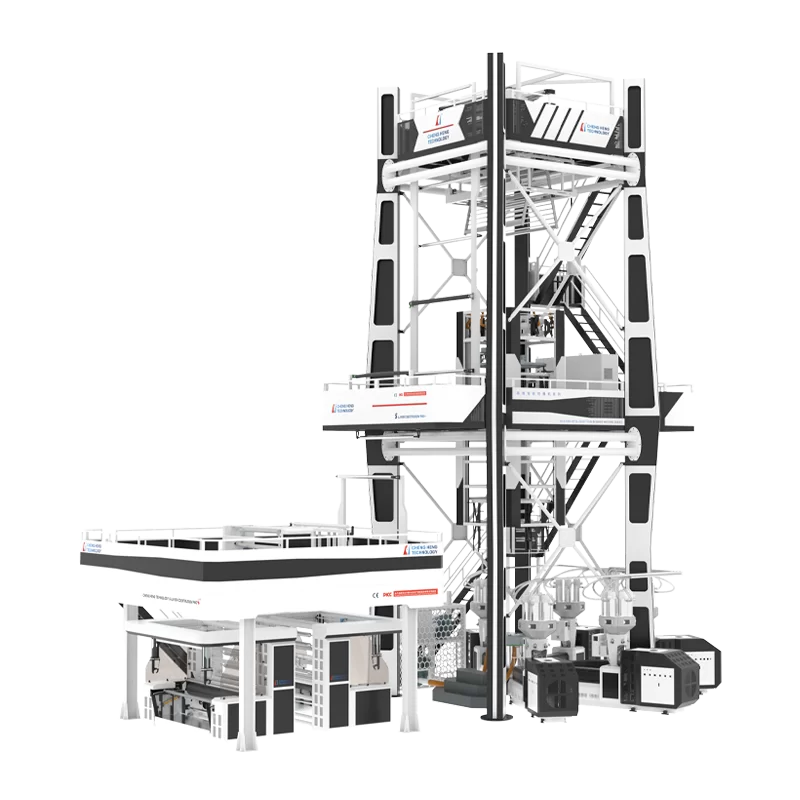
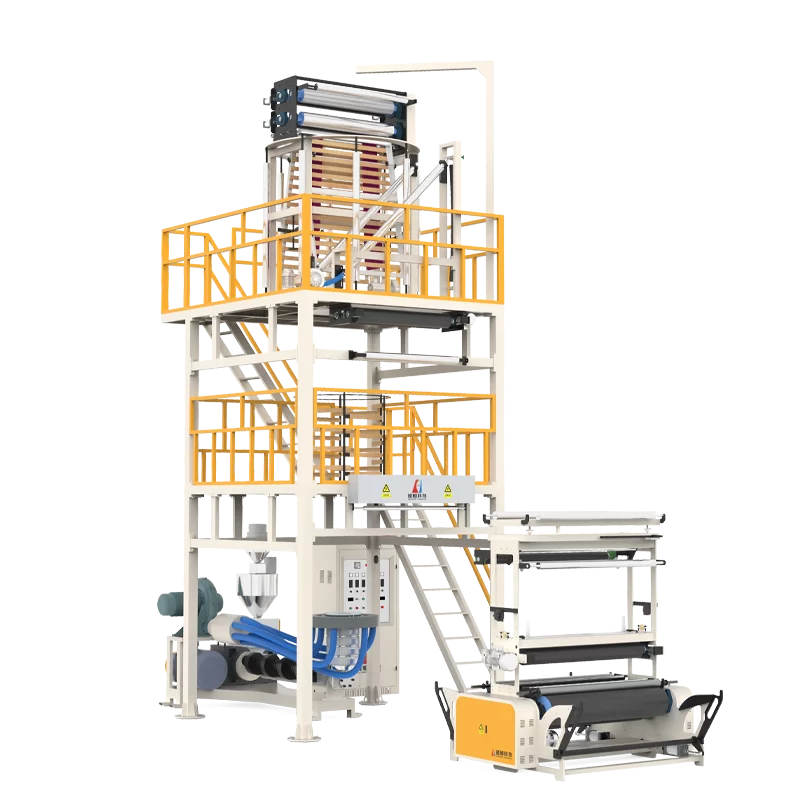
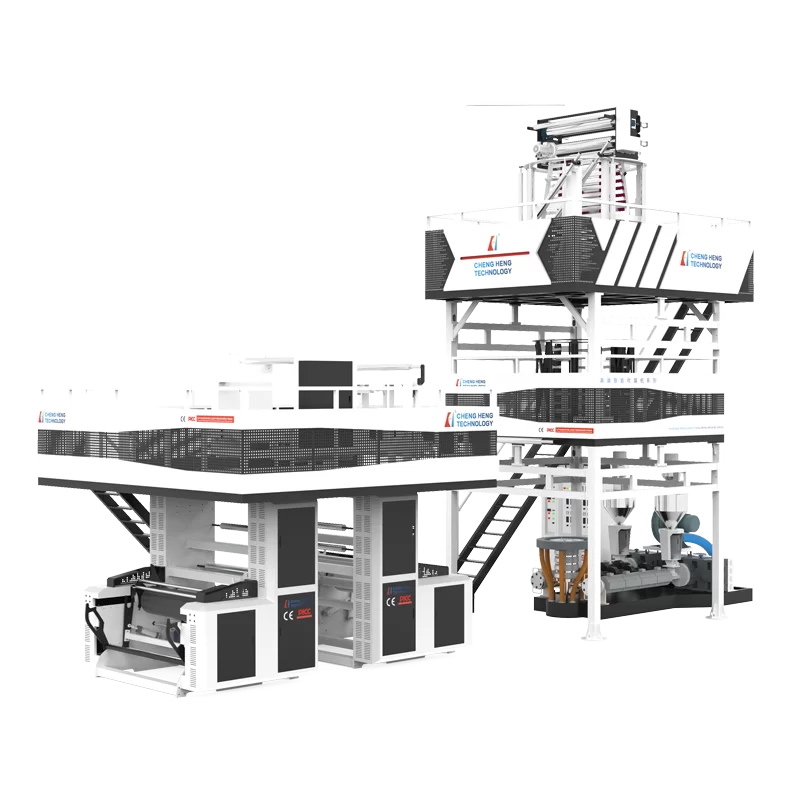
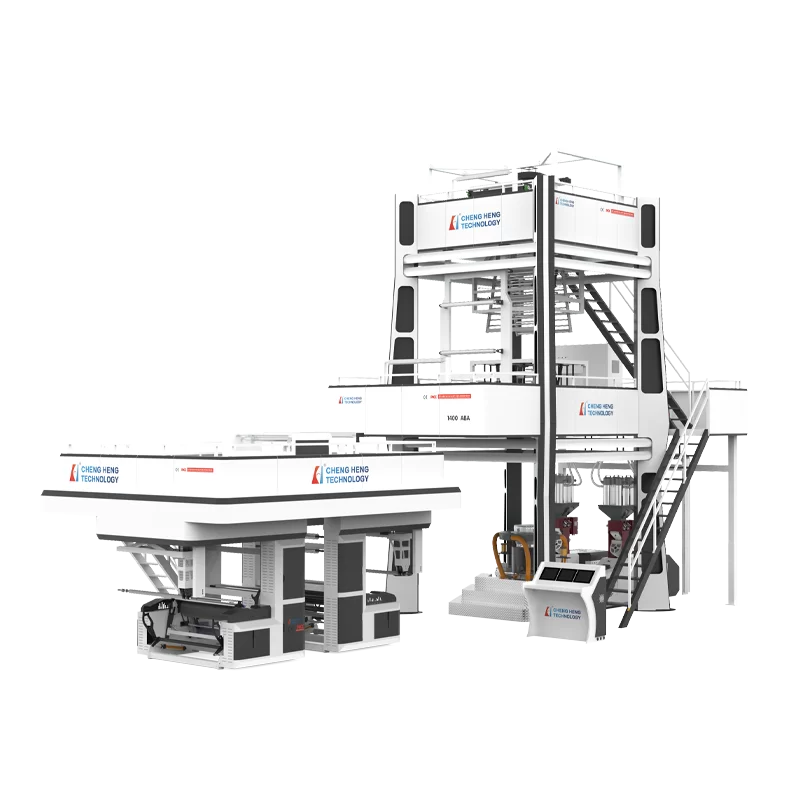
Complete Product Portfolio for North Korea

A comprehensive range of extrusion solutions from entry-level to fully automated lines.

Common Questions for North Korea Market

Expert answers regarding the installation and operation of plastic film machinery.

How to maintain a blown film extrusion machine with unstable power?

We recommend installing high-capacity voltage stabilizers and UPS systems to protect the PLC and heating elements from surges and drops.

Can a lown film machine process recycled LDPE?

Yes, our machines come with optional high-performance screen changers that efficiently remove impurities from recycled resins.

What is the average output of a professional blown film production line?

Depending on the screw diameter and motor power, our lines can range from 50kg/h to over 500kg/h for industrial scale production.

How to reduce bubble instability in a film blowing machine?

Bubble instability is usually solved by optimizing the air ring wind-box and ensuring precise temperature control of the melt.

Is it possible to customize a blown film line for specific gauges?

Absolutely. We customize die head diameters and screw ratios to meet specific thickness requirements for your target products.

What are the installation requirements for a large film production line?

You will need a facility with high ceiling clearance for the bubble tower and a reinforced concrete floor to handle the vibration of the extruder.

Ready to Upgrade Your Production?

Contact our engineering team for tailored plastic extrusion solutions specifically designed for the industrial needs of North Korea.

Contact Us Now