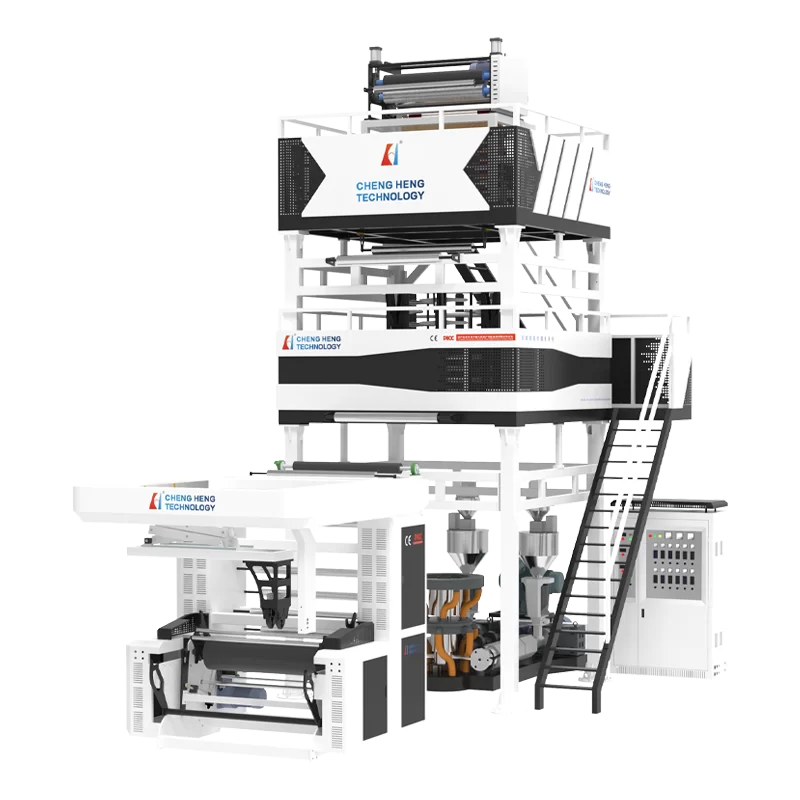
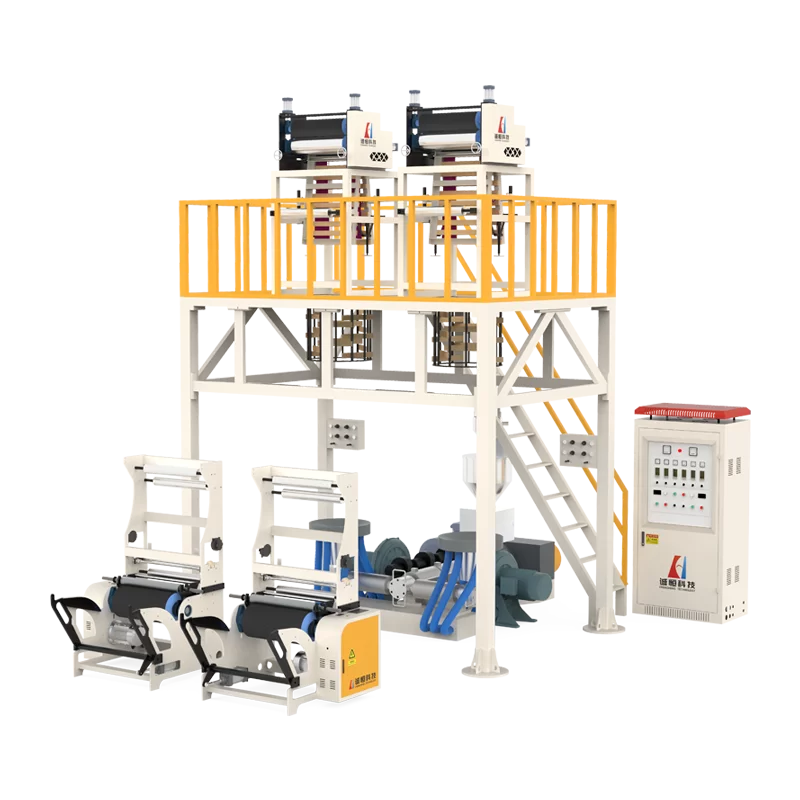
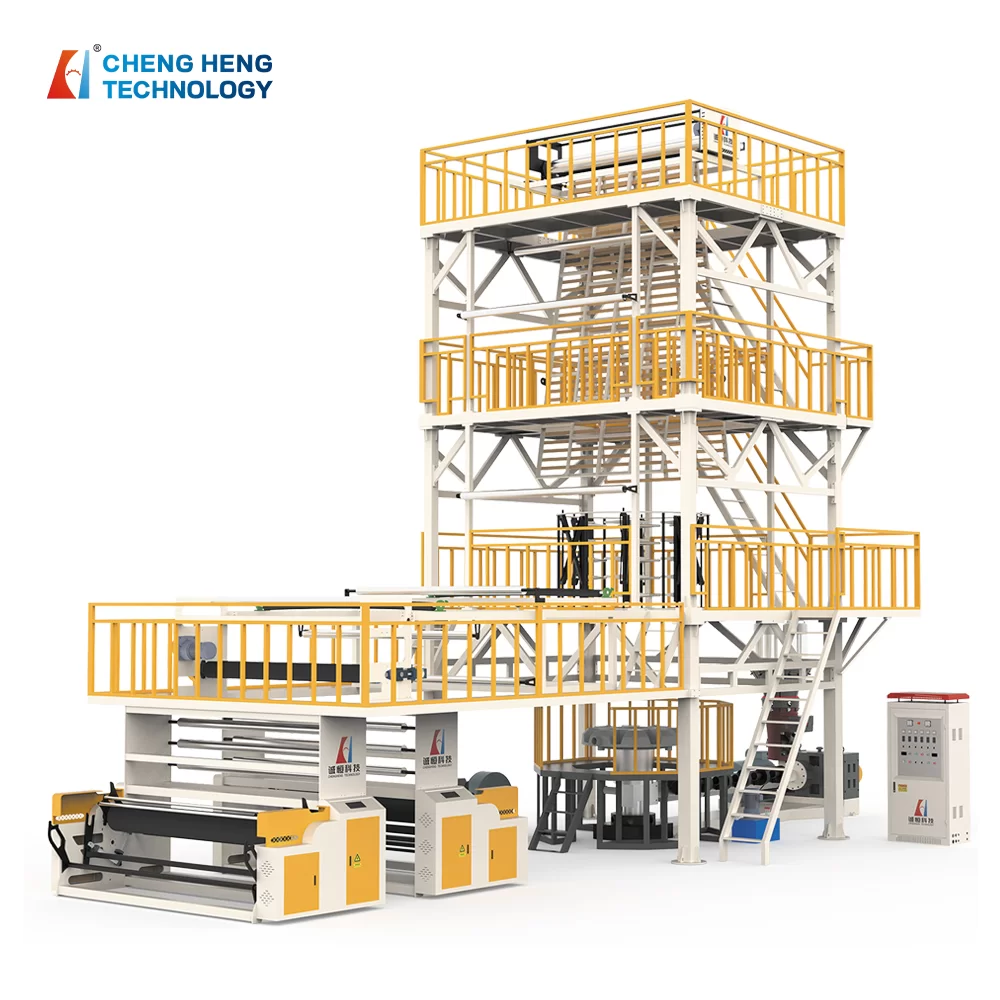
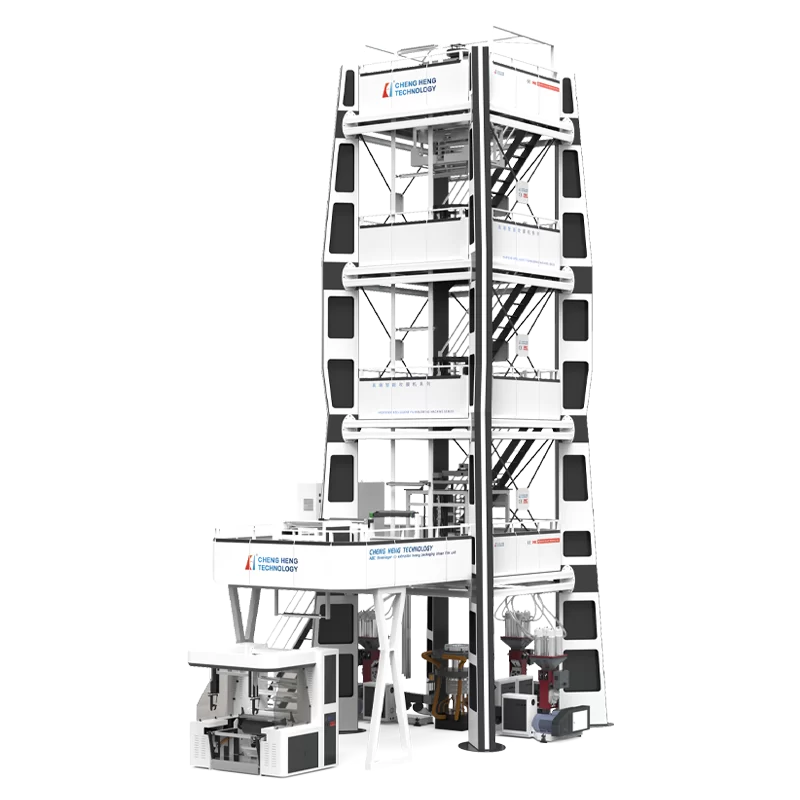
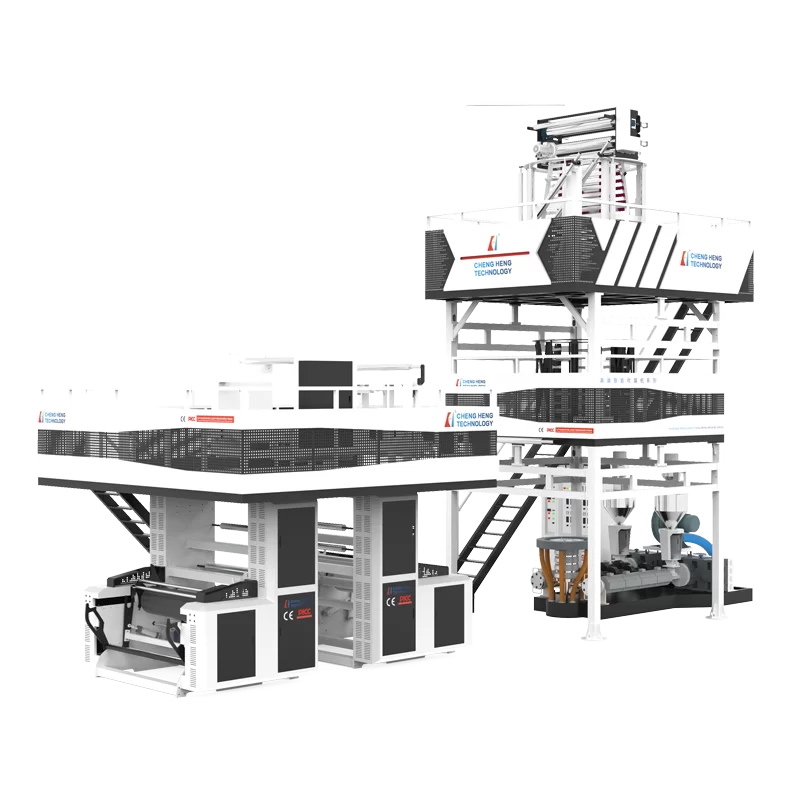
High-Efficiency Blown Film Production Line Solutions for Spain

Advanced plastic extrusion technology tailored for the Spanish packaging market, optimizing throughput and sustainability.

High-Efficiency Blown Film Production Line Solutions for Spain

Delivering world-class extrusion precision and energy efficiency to Spanish manufacturers seeking to upgrade their plastic packaging capabilities.

Current Landscape of Plastic Extrusion in Spain

Analyzing the shift toward circular economy and high-performance machinery in the Iberian Peninsula.

The Spanish manufacturing sector is currently undergoing a significant transition driven by strict EU plastics directives. Local producers are moving away from single-use plastics, creating a surging demand for a sophisticated film blowing machine capable of processing biodegradable resins and recycled LDPE/HDPE materials.

Geographically, Spain's diverse industrial hubs—from Catalonia to Madrid—require equipment that can withstand varying ambient temperatures while maintaining bubble stability. The adoption of a modern blown film line is no longer just about volume, but about reducing the carbon footprint per kilogram of film produced.

Furthermore, the Spanish market is characterized by a strong focus on agricultural packaging and food-grade films. This requires a blown film extrusion machine that ensures zero contamination and high optical clarity, meeting the rigorous quality standards of the European Union.
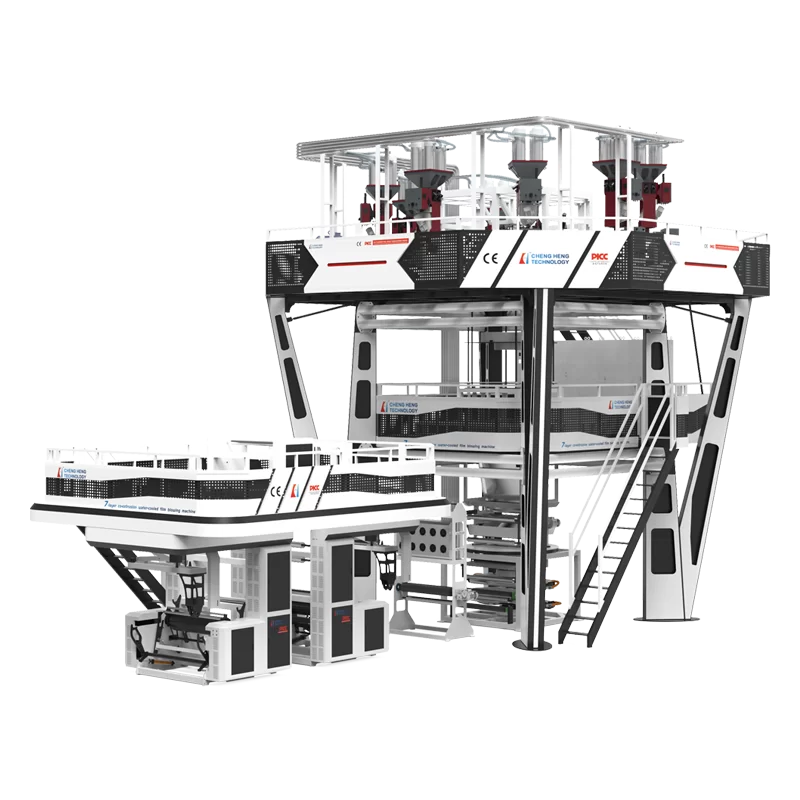
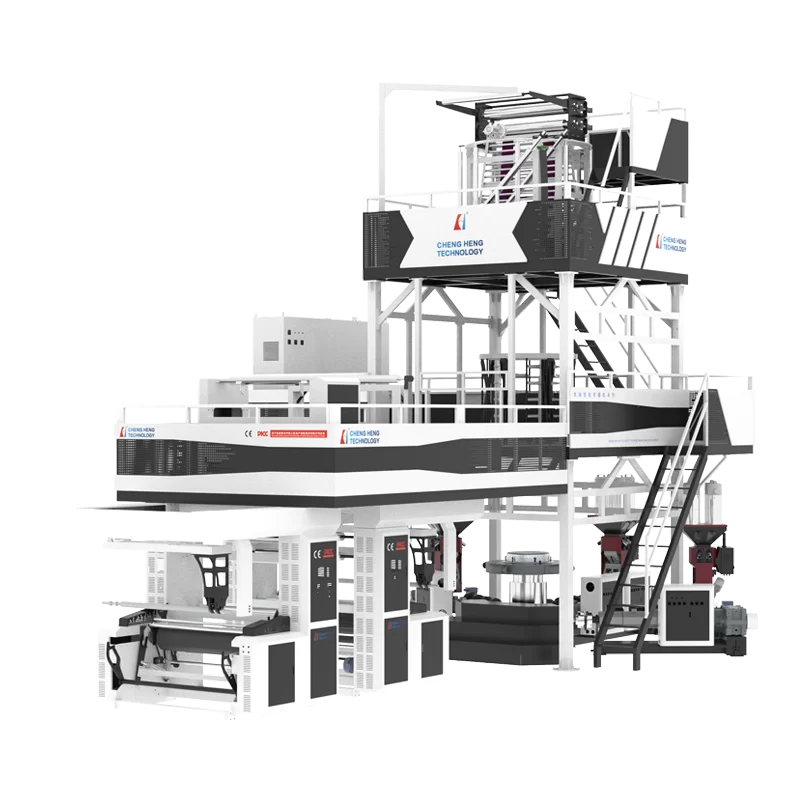
Evolution and Technical Trajectory of Blown Film Technology

From manual controls to Industry 4.0 integrated extrusion systems.

Market Development History

In the late 1990s and early 2000s, the Spanish industry relied heavily on mechanical lown film machine setups with basic temperature controls, focusing primarily on low-cost commodity bags with high material waste.

By 2010, the transition toward PLC automation began. Manufacturers integrated corona treatment and air rings to improve the surface tension and thickness uniformity of the blown film line, allowing for the production of multi-layer structures.

From 2018 to the present, the focus has shifted to "Smart Extrusion." The current era is defined by servo-driven haul-offs and precision melt pumps, transforming the blown film production line into a data-driven operation that minimizes scrap.

Future Development Trends

Integration of AI-Driven Gauging

Expect the widespread adoption of automatic thickness control systems that use infrared sensors to adjust the air ring in real-time, ensuring micron-level precision.

Biodegradable Material Optimization

Future machines will feature specialized screw designs optimized for PLA and PBAT polymers to meet the "Green Spain" ecological initiatives.

Energy Recovery Systems

A shift toward hybrid heating elements and heat recovery units will reduce the power consumption of the blown film extrusion machine by up to 30%.

Industry Trends and Future Outlook (2024-2029)

Strategic forecasts for the plastic processing equipment sector in Europe.

Circular Economy Integration
Scaling the use of PCR (Post-Consumer Recycled) resins without compromising the tensile strength of the film.
Nano-Layer Co-extrusion
Moving toward 5-7 layer structures to create high-barrier films for pharmaceutical packaging.
IoT-Enabled Maintenance
Predictive maintenance alerts for screws and heaters to eliminate unplanned downtime in 24/7 factories.
Ultra-Thin Down-gauging
Developing machinery that maintains puncture resistance while reducing film thickness to lower material cost.

Industry Outlook

Based on Google search trends and EU regulatory roadmaps, the Spanish market will likely see a massive replacement cycle of legacy machines. Companies are searching for "energy-efficient extrusion" and "biodegradable film production" at record rates.

The future belongs to modular systems that can quickly switch between different polymers, allowing Spanish SMEs to be agile in a volatile global raw material market.

Localized Application Scenarios in Spain

How our technology solves specific regional challenges in the Spanish plastic industry.

1. Greenhouse Film for Almería Agriculture

Deploying a high-stability blown film production line to create UV-resistant, high-transparency films specifically for the intensive greenhouse farming in Southern Spain.

2. Sustainable Retail Packaging in Barcelona

Utilizing a precision film blowing machine to produce recycled PE shopping bags that comply with local urban environmental regulations.

3. Industrial Stretch Wrap for Logistics Hubs

Implementing a high-output blown film line to produce heavy-duty stretch films for the massive logistics centers serving Madrid and Valencia.

4. Food-Grade Vacuum Pouches for Seafood Export

Using a multi-layer blown film extrusion machine to ensure oxygen barriers and high hygiene standards for Galicia's seafood packaging exports.

5. Biodegradable Mulch Films for Olive Groves

Customizing a lown film machine to produce compostable mulch films that decompose naturally in Andalusian soil, reducing plastic pollution.

Brand Story

Global Development History of Maqi Intelligent Technology Hebei Co., Ltd.

Founding Vision

Established with the mission to solve the inefficiency of traditional extrusion, we focused on precision engineering for the global plastic industry.

Technological Breakthrough

Developed proprietary screw-barrel designs that reduced energy consumption by 15%, setting a new benchmark for film production.

European Expansion

Entered the EU market, specifically Spain, tailoring our equipment to meet the CE standards and the circular economy requirements.

Intelligence Integration

Launched the "Smart-Flow" series, integrating IoT sensors into every production line for remote monitoring and optimization.

Sustainability Leadership

Today, we lead the industry in bio-polymer processing, helping clients worldwide transition to a zero-waste future.

Frequently Asked Questions in Spain

Expert answers to technical and regulatory queries regarding blown film machinery.

Which blown film production line is best for recycled LDPE in Spain?

For recycled materials, we recommend lines equipped with high-capacity degasification extruders and advanced filtration systems to handle impurities common in PCR resins.

Do your film blowing machine units comply with EU CE certification?

Yes, all our machinery exported to Spain is fully CE certified, meeting all European safety and electrical standards for industrial equipment.

How to reduce energy costs on a blown film line?

We implement ceramic heating bands and inverter-controlled motors that optimize power usage based on the actual load of the extruder.

Can a blown film extrusion machine process PLA bio-plastics?

Absolutely. We provide specialized screws and temperature profiles specifically designed for the thermal sensitivity of PLA and other biodegradable polymers.

What is the average lead time for a lown film machine delivery to Spain?

Typically, the manufacturing and testing phase takes 30-45 days, followed by shipping to Spanish ports such as Valencia or Barcelona.

Do you provide on-site installation for blown film production line setups?

Yes, our technical team provides comprehensive on-site installation, calibration, and operator training to ensure maximum productivity from day one.

Ready to Upgrade Your Production?

Consult with our experts to find the perfect extrusion solution for your business in Spain.

Contact Us Now