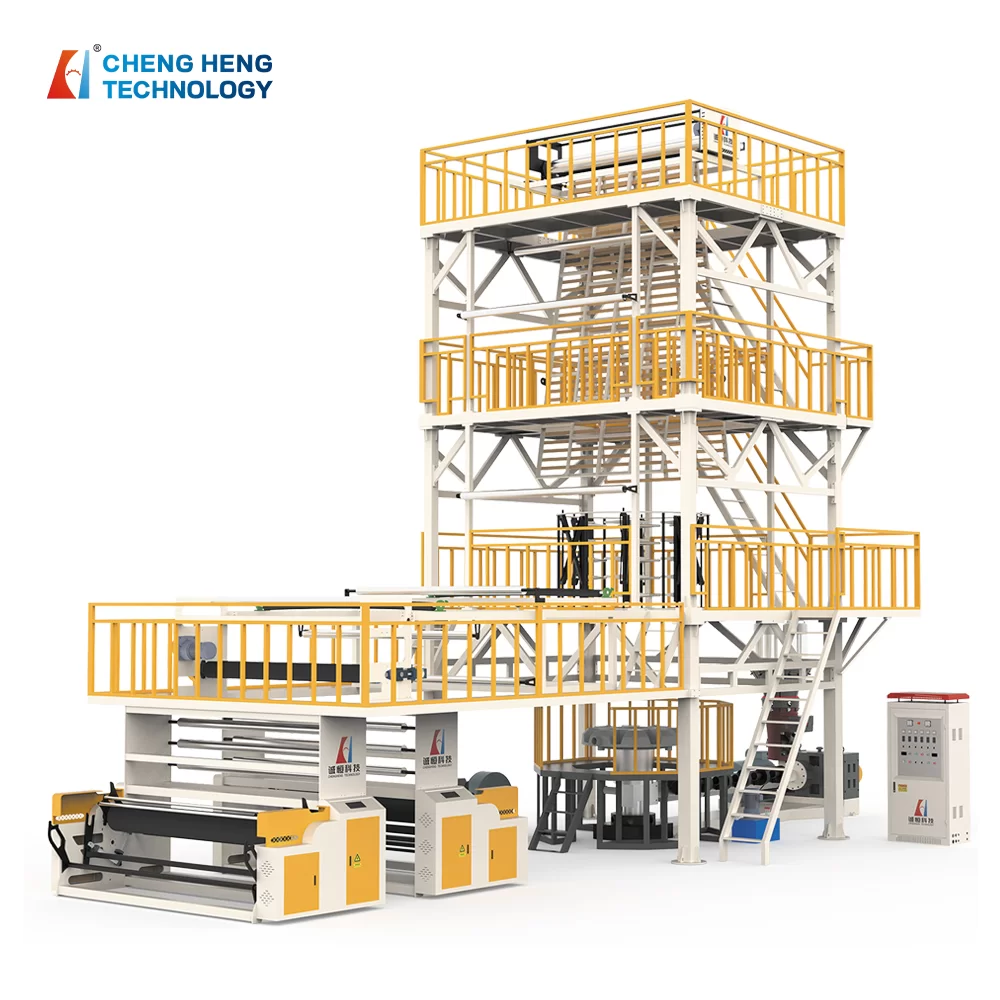
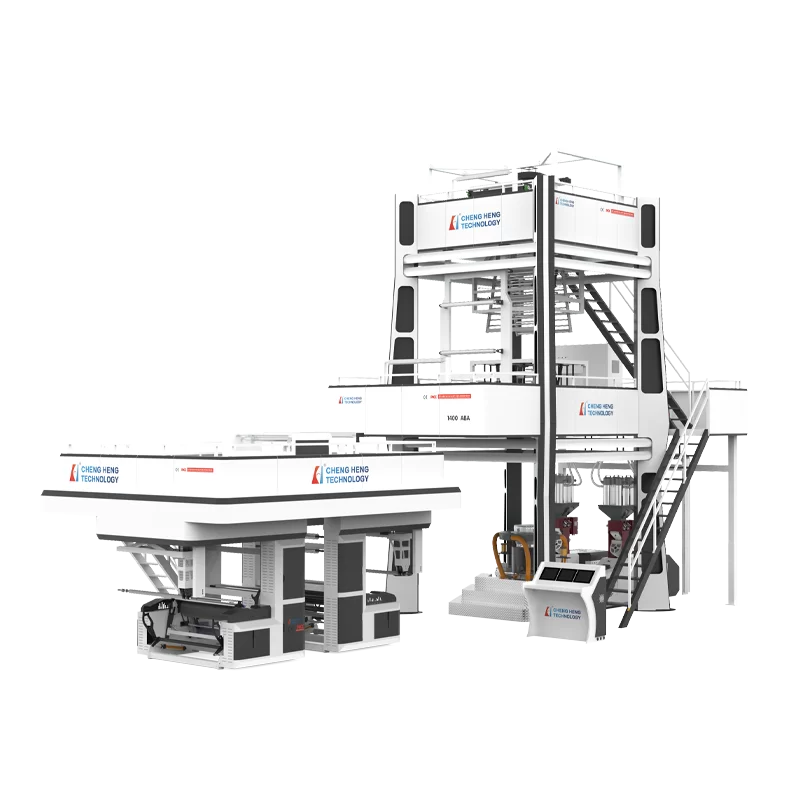
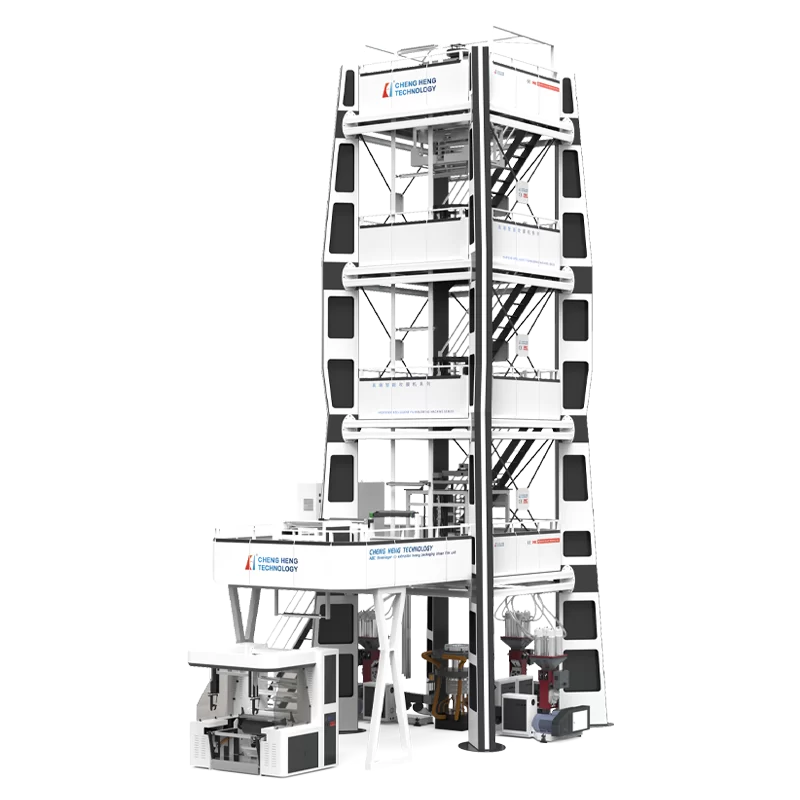
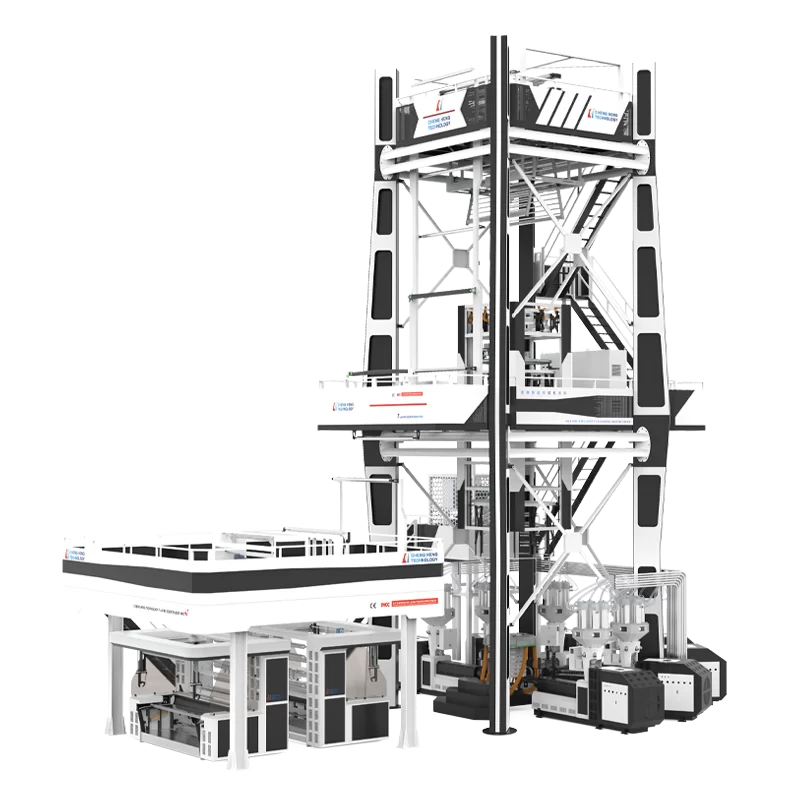
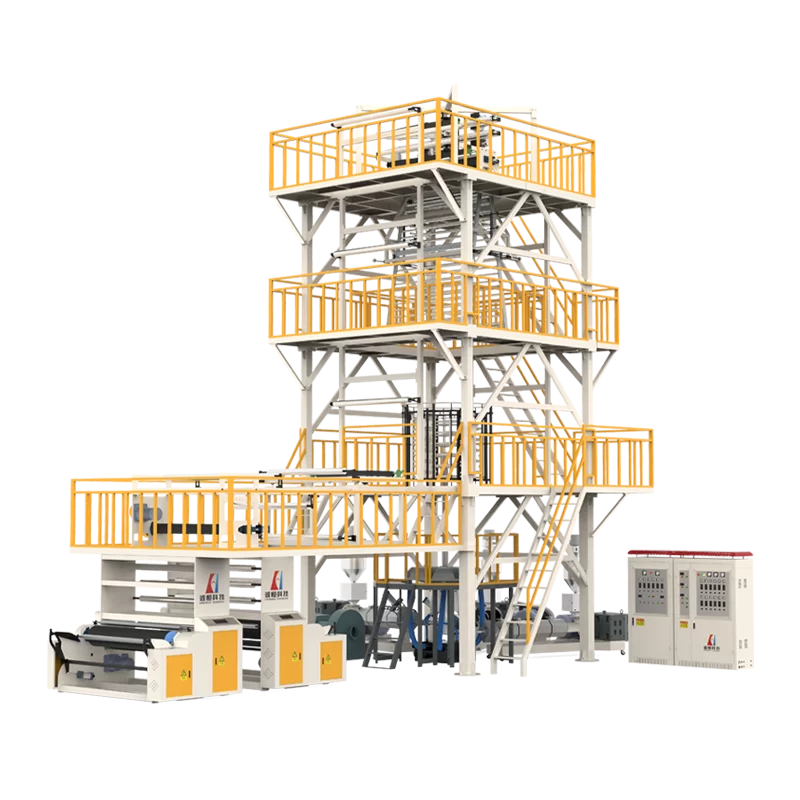
High-Performance Blown Film Production Line Solutions for Russia

Advanced plastic extrusion technology engineered for the rigorous demands of the Russian industrial landscape, ensuring maximum durability and output.

Current State of Plastic Processing in Russia

Analyzing the operational landscape of film extrusion in the Russian Federation.

The Russian market for a film blowing machine is currently shaped by extreme climatic variations and a strong demand for heavy-duty packaging. Manufacturers must operate equipment that can withstand significant temperature swings while maintaining precise thermal control for polymer melting.

Economic shifts have led to an increased reliance on localized production of packaging materials. This has sparked a surge in demand for a robust blown film line that can process both virgin and recycled resins to reduce raw material costs in the face of supply chain volatility.

Currently, there is a transition toward high-barrier films for the food and chemical sectors. This requires an advanced lown film machine capable of multi-layer co-extrusion to meet the strict preservation standards required for long-distance logistics across the Russian territory.
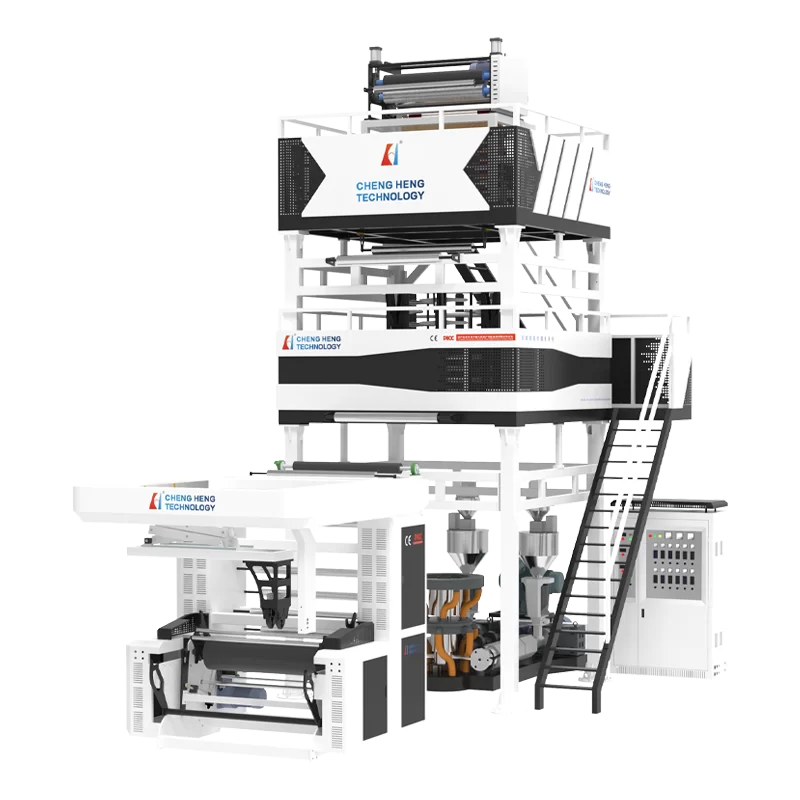
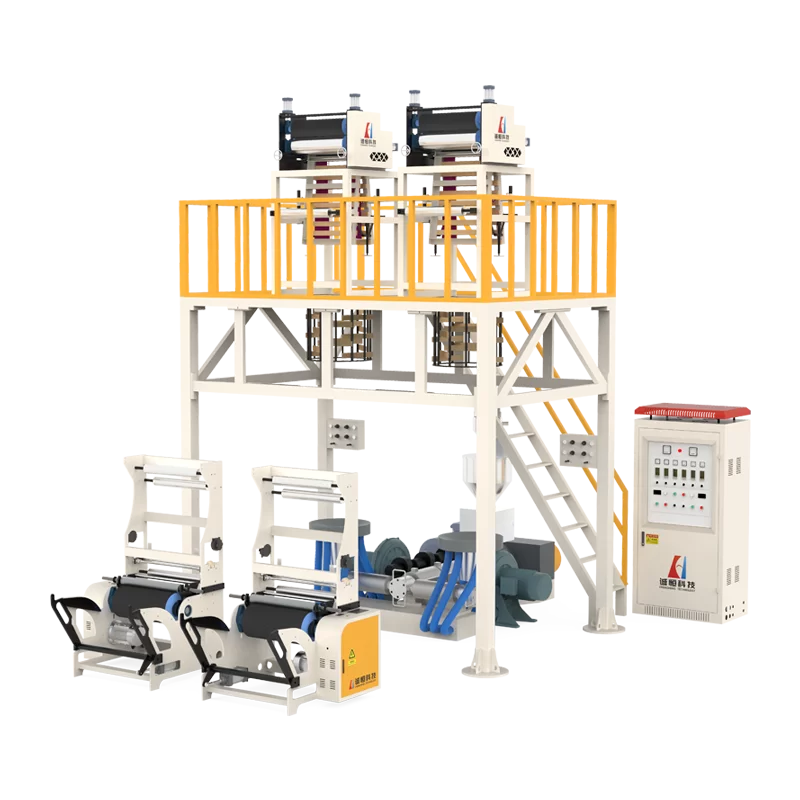
Evolution and Development Trajectory

From traditional extrusion to the era of intelligent automation.

Market Development History

In the late 1990s and early 2000s, the Russian industry relied heavily on legacy single-screw blown film extrusion machine units. These machines were characterized by manual controls and lower energy efficiency, focusing primarily on basic LDPE bags.

Between 2010 and 2020, the market witnessed a shift toward precision engineering. The introduction of PLC-controlled blown film production line systems allowed for better thickness uniformity and the adoption of LLDPE materials, enhancing the mechanical strength of the produced films.

Since 2021, the trajectory has moved toward "Smart Manufacturing." Modern factories are now integrating IoT sensors into their film blowing machine setups to monitor real-time pressure and temperature, drastically reducing waste and downtime.

Future Development Trends

Biodegradable Material Integration

Driven by emerging environmental regulations, future lines will prioritize the processing of PLA and PBAT resins to create eco-friendly packaging.

AI-Driven Quality Control

Integration of automated optical inspection systems within the blown film line to detect anomalies in real-time without stopping production.

Energy Recovery Systems

Implementation of advanced heating elements and heat recovery units to lower the high energy consumption typical of heavy-industrial extrusion in cold climates.

Industry Trends and Future Outlook

Strategic forecasts for the Russian plastic packaging sector.

Circular Economy Shift
Increased adoption of PCR (Post-Consumer Recycled) resin processing capabilities in every blown film production line.
Multi-Layer Co-extrusion
Transitioning from mono-layer to 3-layer and 5-layer systems for superior puncture resistance and barrier properties.
Digital Twin Integration
Using virtual simulations to optimize the blown film line setup before physical production.
Ultra-Thin Film Tech
Developing advanced lown film machine technology to reduce plastic usage per unit of packaging.

Industry Outlook

The Russian market is poised for a consolidation phase where efficiency-driven upgrades will replace outdated equipment. We anticipate a 15% increase in the adoption of high-automation extrusion lines as labor costs rise and the need for consistent quality increases.

Furthermore, the integration of local Russian polymer additives with high-end foreign machinery will lead to a new generation of high-performance films, specifically tailored for the extreme cold-chain logistics of the region.

Localized Application Scenarios in Russia

Tailored solutions for specific Russian industrial needs.

01. Arctic-Grade Industrial Packaging

Using a specialized blown film extrusion machine to produce high-impact resistance films that do not become brittle at -40°C, essential for oil and gas equipment protection in Siberia.

02. Agricultural Greenhouse Films

Implementation of a wide-width blown film line to create UV-stabilized films for large-scale agricultural complexes in Southern Russia.

03. Food-Grade Barrier Packaging

Utilizing a multi-layer blown film production line for the dairy and meat industry in Moscow and St. Petersburg, focusing on oxygen barrier properties.

04. Heavy-Duty Construction Liners

High-output film blowing machine production for thick, puncture-resistant liners used in large-scale infrastructure projects across the Urals.

05. E-commerce Shipping Mailers

Fast-cycle lown film machine production for high-strength, lightweight shipping bags to support the rapid growth of Russian online retail.

Brand Story

Global Development Journey of Maqi Intelligent Technology Hebei Co., Ltd.

The Foundation of Precision

Started with a mission to solve the inconsistency of film thickness in early extrusion, focusing on the core mechanics of the screw and die.

Technological Breakthrough

Developed an advanced cooling ring system that allowed for faster bubble stabilization, significantly increasing production speeds.

Global Expansion

Successfully entered the Russian and European markets, adapting machinery to withstand varied electrical standards and climate conditions.

Intelligence Integration

Launched the Smart-Series, integrating AI-driven diagnostics into every production line to minimize human error and material waste.

Commitment to Sustainability

Now leading the way in biodegradable polymer extrusion, helping global clients transition to a greener future without sacrificing quality.

Comprehensive Product Portfolio for the Russian Market

A full range of extrusion solutions from entry-level to high-capacity industrial lines.

Frequently Asked Questions for Russian Clients

Expert answers to common technical and operational queries.

How does the blown film production line perform in extreme cold?

Our machines are equipped with specialized insulation and high-efficiency heating bands to ensure the polymer remains at a constant temperature regardless of the external environment.

Can your film blowing machine process recycled LDPE?

Yes, we provide specialized degassing extruders that remove volatiles from recycled resins, preventing bubbles and defects in the final film.

What is the average lead time for a custom blown film line?

Depending on the complexity and layer requirements, the lead time typically ranges from 45 to 90 days, including rigorous factory acceptance testing (FAT).

Does the blown film extrusion machine support PLC automation?

Absolutely. All our modern lines use industrial-grade PLCs with intuitive touchscreens for precise control of screw speed and temperature profiles.

How do I optimize the output of my lown film machine?

Optimization involves balancing the blow-up ratio (BUR) with the cooling capacity of the air ring to achieve the desired thickness and strength.

What maintenance is required for high-capacity extrusion lines?

Regular lubrication of the gearbox, cleaning of the die head, and periodic calibration of temperature sensors are essential for longevity.

Ready to Optimize Your Production?

Contact our technical experts today for a tailored extrusion solution for your facility in Russia.

Contact Us Now