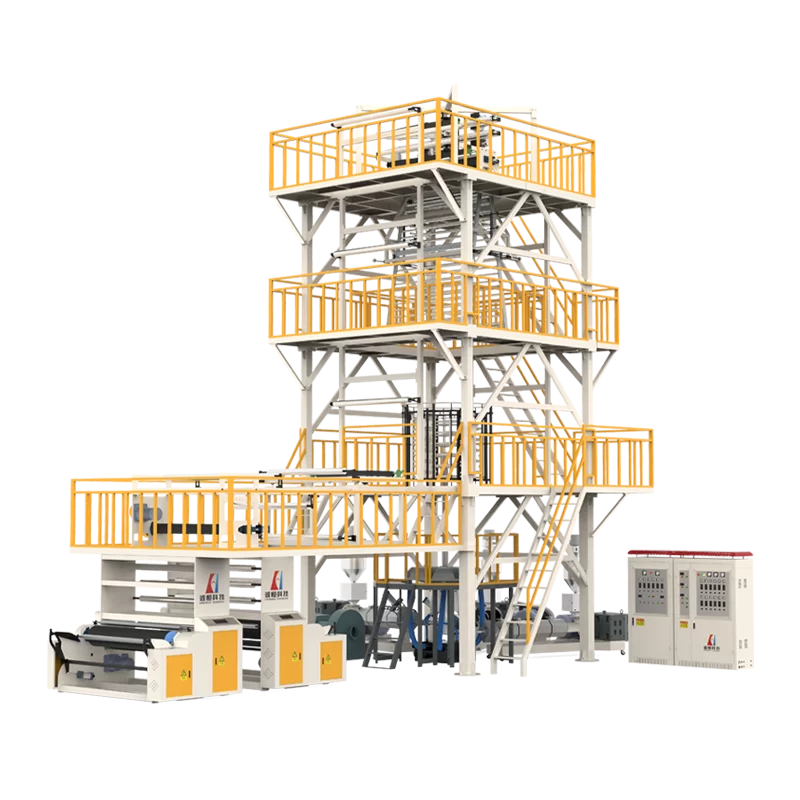
High-Performance Blown Film Production Line Solutions for Tajikistan

Empowering Tajikistan's plastic manufacturing sector with advanced extrusion technology and energy-efficient production systems tailored for the Central Asian market.

High-Performance Blown Film Production Line Solutions for Tajikistan

Integrating cutting-edge blown film extrusion machine technology to provide Tajikistan manufacturers with superior film strength, clarity, and operational stability.

Plastic Film Manufacturing Landscape in Tajikistan

Analyzing the operational challenges and opportunities for film blowing machine deployment in the Tajik region.

In Tajikistan, the demand for plastic packaging is growing rapidly, driven by the agricultural sector's need for mulch films and the retail industry's demand for shopping bags. However, the local industry often struggles with extreme temperature fluctuations between high-altitude regions and valley floors, which can affect the cooling process of a blown film line, leading to inconsistencies in film thickness.

Economic shifts towards import substitution have pushed Tajik enterprises to invest in their own lown film machine capabilities. Many factories are transitioning from outdated, energy-intensive Soviet-era equipment to modern, automated systems that reduce waste and lower electricity consumption, which is critical given the local energy infrastructure.

The current market shows a strong preference for versatility. Manufacturers are seeking a blown film production line that can handle both LDPE and HDPE materials to cater to a wide range of end-products, from heavy-duty industrial liners to thin, transparent food wraps.
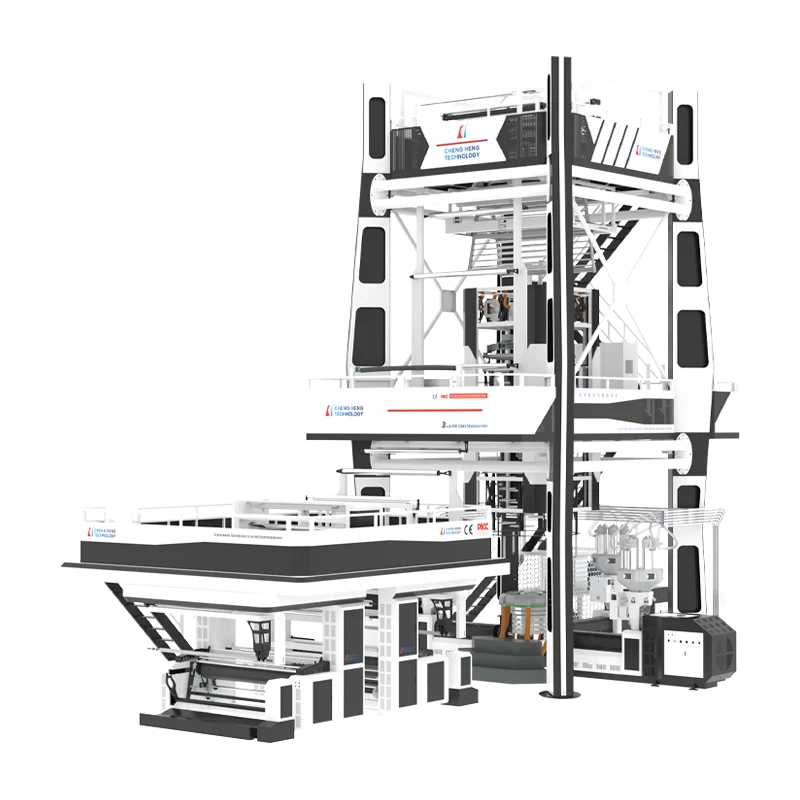
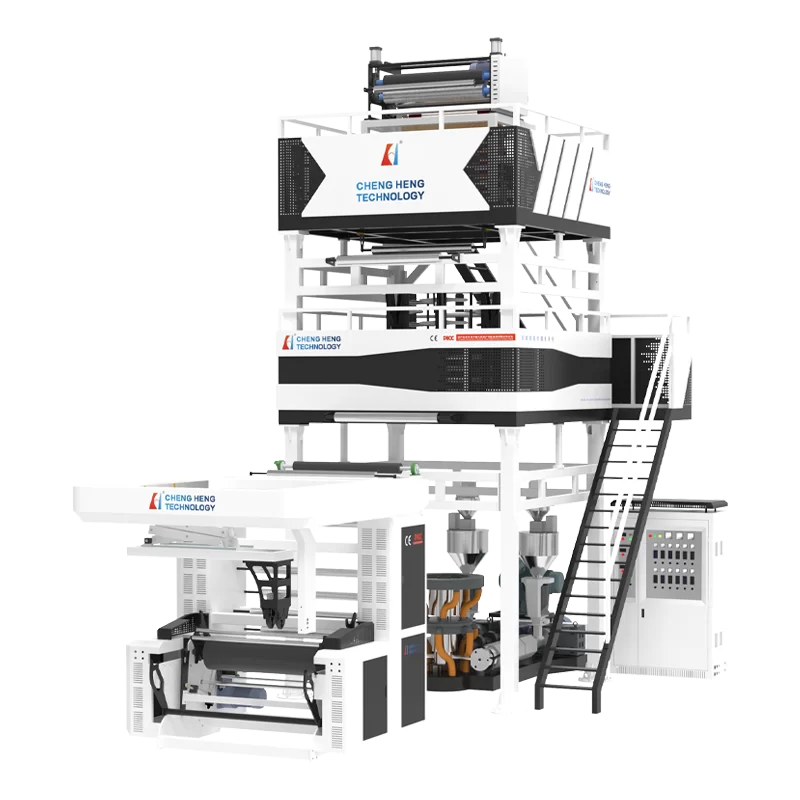
Evolution and Trajectory of Film Extrusion in Tajikistan

From manual operation to intelligent automation in the plastic processing industry.

Market Development History

Between 2000 and 2010, the Tajik market was dominated by basic, semi-automatic machines. These early systems lacked precise temperature control, making the output of a blown film extrusion machine highly dependent on operator experience rather than technical precision.

From 2011 to 2020, there was a significant shift toward the adoption of multi-layer co-extrusion technology. This period saw the introduction of the blown film line with ABC three-layer capabilities, allowing local producers to create barrier films that improved food shelf-life for Tajik agricultural exports.

Since 2021, the focus has shifted toward "Smart Manufacturing." The integration of PLC control systems and servo-motor drives has become the standard for any modern film blowing machine, ensuring minimal downtime and higher material utilization rates.

Future Development Trends

Biodegradable Material Integration

Driven by global environmental standards, Tajik manufacturers will increasingly adopt machines capable of processing PLA and PBAT materials to reduce plastic pollution in the Pamir mountains.

Ultra-Thin High-Strength Films

Technological iteration will move toward nano-layering, allowing a blown film production line to produce thinner films without sacrificing tensile strength, reducing raw material costs.

Energy-Efficient Heating Systems

Future upgrades will focus on infrared heating and optimized insulation to combat the energy challenges in Tajikistan, maximizing the output of every lown film machine.

Strategic Industry Trends and Future Outlook

Forecasting the next 5 years of plastic processing evolution in Central Asia.

Eco-Friendly Polymer Transition
Shifting from virgin PE to recycled and compostable resins to align with international trade regulations.
IoT-Driven Quality Control
Implementing real-time thickness monitoring and cloud-based diagnostics to ensure zero-defect production.
High-Speed Output Optimization
Developing advanced air-ring cooling systems to increase extrusion speeds without compromising film bubble stability.
Modular Machine Architecture
Switching to modular designs that allow easy upgrades of screws and barrels as production needs expand.

Industry Outlook

Based on search trends for industrial machinery in Central Asia, there is a clear movement toward "Green Manufacturing." We expect that within 3-5 years, the standard for a blown film production line in Tajikistan will include mandatory energy recovery systems and advanced filtration for recycled resins.

Furthermore, the synchronization of production lines with automated bagging machines will become the competitive edge, transforming standalone extrusion into fully integrated packaging ecosystems.

Localized Application Scenarios in Tajikistan

Practical deployments of film blowing technology across various Tajik industrial sectors.

1. Agricultural Mulch Film Production

Deploying a heavy-duty blown film extrusion machine to produce UV-stabilized mulch films that protect cotton and fruit crops from the harsh Tajik climate and soil erosion.

2. Food-Grade Packaging for Export

Using multi-layer blown film lines to create high-barrier packaging for dried fruits and nuts, ensuring long-term freshness for exports to Russia and Europe.

3. Commercial Retail Bag Manufacturing

Implementing high-efficiency film blowing machines for the mass production of HDPE T-shirt bags and LDPE shopping bags for Dushanbe's expanding retail markets.

4. Industrial Liners for Mining

Producing thick, puncture-resistant liners using a specialized blown film production line to prevent chemical seepage in Tajikistan's mining and mineral processing sites.

5. Medical and Hygiene Wrap

Utilizing high-precision lown film machines to manufacture sterile packaging and hygienic wraps for local healthcare facilities.

Brand Story

Global Development Journey of Maqi Intelligent Technology Hebei Co., Ltd.

Engineering Excellence Origins

Founded on the principle of precision, we began by solving the most common failure points in traditional extrusion, focusing on screw wear and thermal instability.

Technological Breakthroughs

We pioneered the integration of intelligent PLC systems into the blown film line, reducing manual error and increasing output consistency by 30%.

Global Market Expansion

Recognizing the needs of developing markets, we optimized our equipment for varying power grids and climates, successfully entering the Central Asian market.

Commitment to Sustainability

Our mission evolved to lead the transition toward biodegradable plastics, developing specialized screws for PLA processing in our blown film extrusion machine.

The Future of Intelligent Plastic

Today, we focus on the "Zero-Waste" factory model, ensuring every client in Tajikistan achieves maximum efficiency with minimum environmental impact.

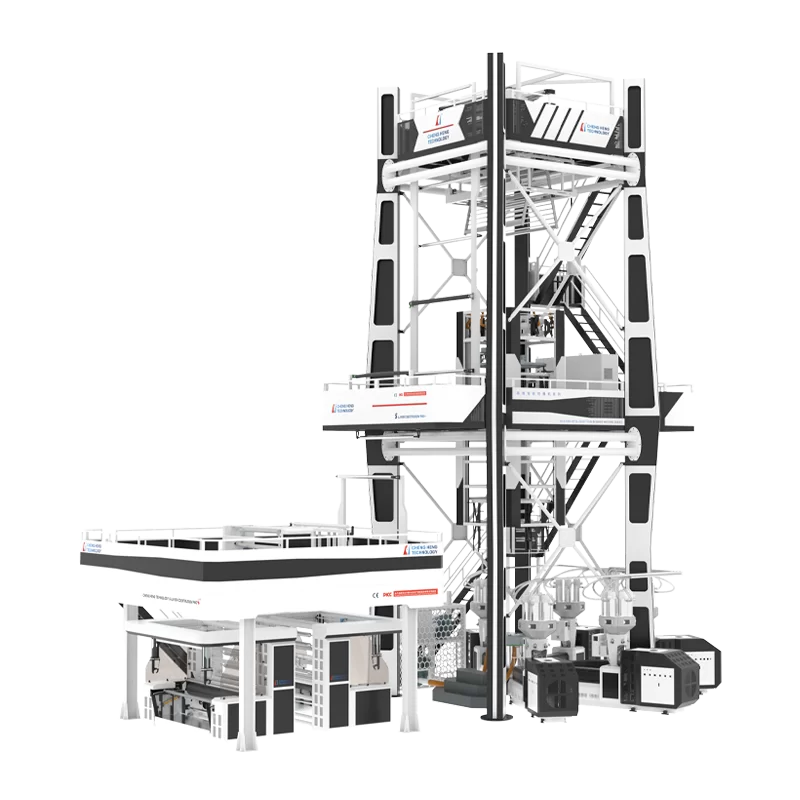
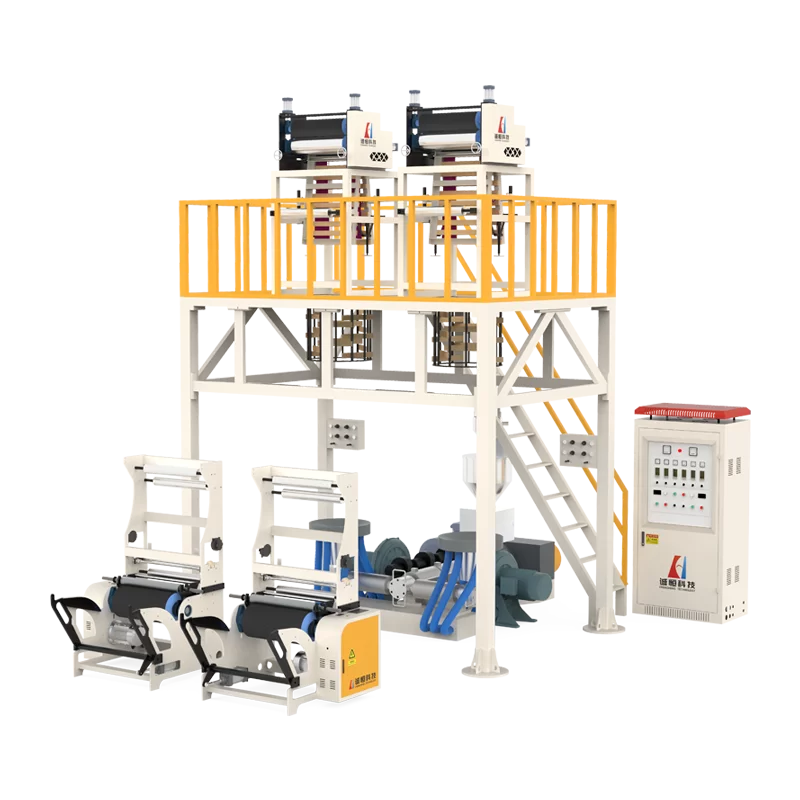
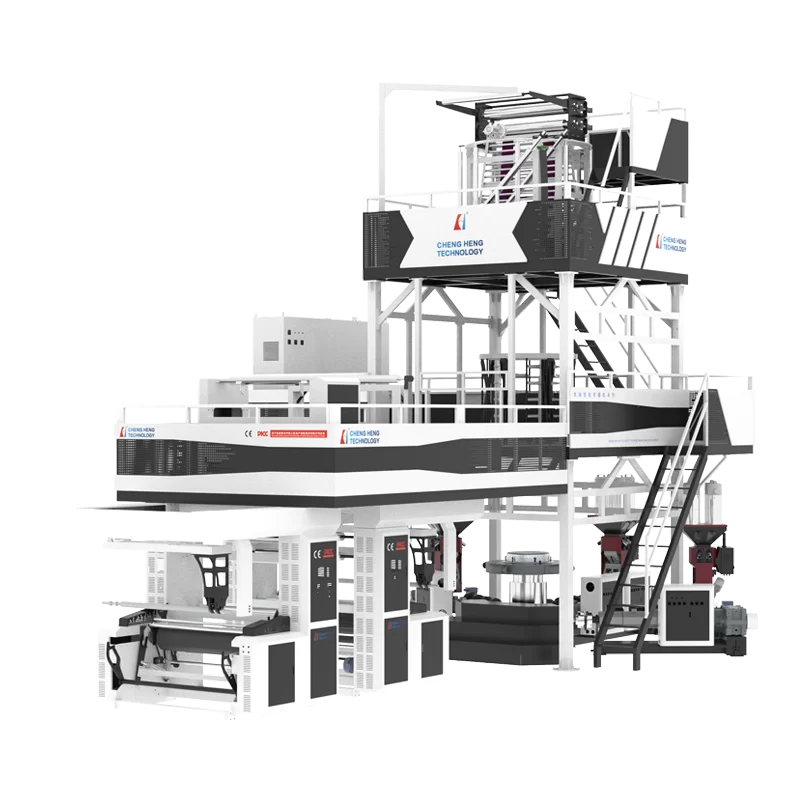
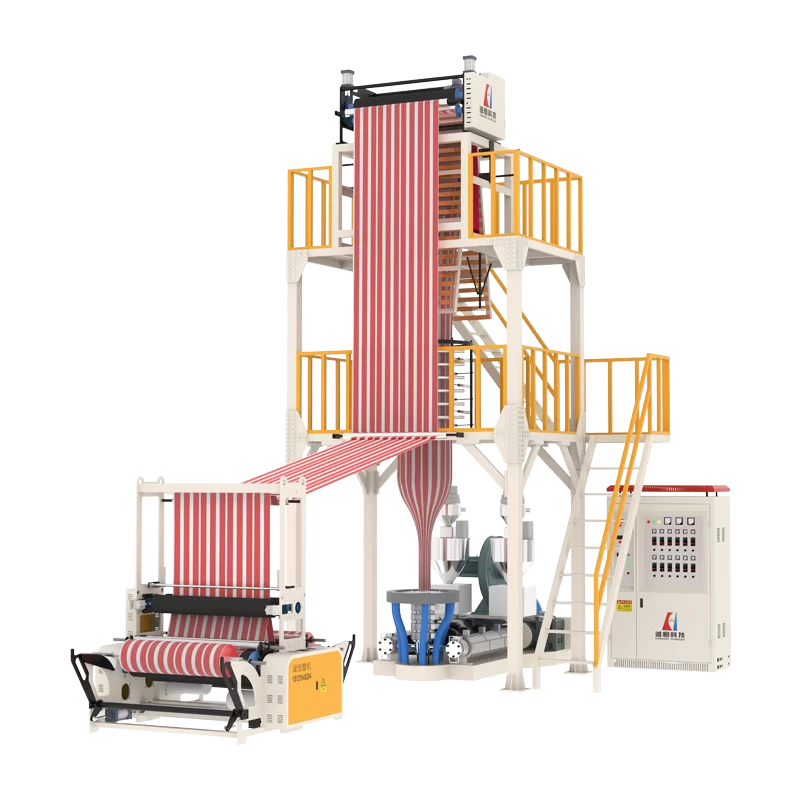
Comprehensive Plastic Film Equipment Portfolio for Tajikistan

From entry-level blowing machines to fully automated industrial production lines.

Common Questions for Tajikistan Plastic Manufacturers

Expert answers regarding the installation and operation of film blowing equipment.

Which blown film production line is best for agricultural mulch in Tajikistan?

For agricultural use, we recommend a three-layer co-extrusion line that allows for a UV-resistant outer layer and a recycled inner layer to balance cost and durability.

How to maintain a film blowing machine in high-dust environments?

We provide specialized air-filtration systems for the control cabinets and recommend a strict weekly cleaning schedule for the cooling fans to prevent overheating.

Can a blown film extrusion machine process recycled LDPE pellets?

Yes, our machines can be equipped with specialized degassing extruders and filtration screens to handle recycled materials without compromising film clarity.

What is the average power consumption of a modern blown film line?

Our latest energy-saving models use ceramic heaters and inverter drives, reducing power consumption by approximately 15-20% compared to traditional equipment.

How do I solve bubble instability in my lown film machine?

Bubble instability is often caused by uneven cooling. We suggest checking the air ring alignment and ensuring the cooling air temperature is consistent.

What is the lead time for shipping a production line to Dushanbe?

Typically, manufacturing takes 30-45 days, and shipping to Tajikistan takes another 20-30 days depending on the logistics route chosen.

Ready to Upgrade Your Production?

Our technical experts are ready to help you select the perfect extrusion system for your factory in Tajikistan.

Contact Us Now