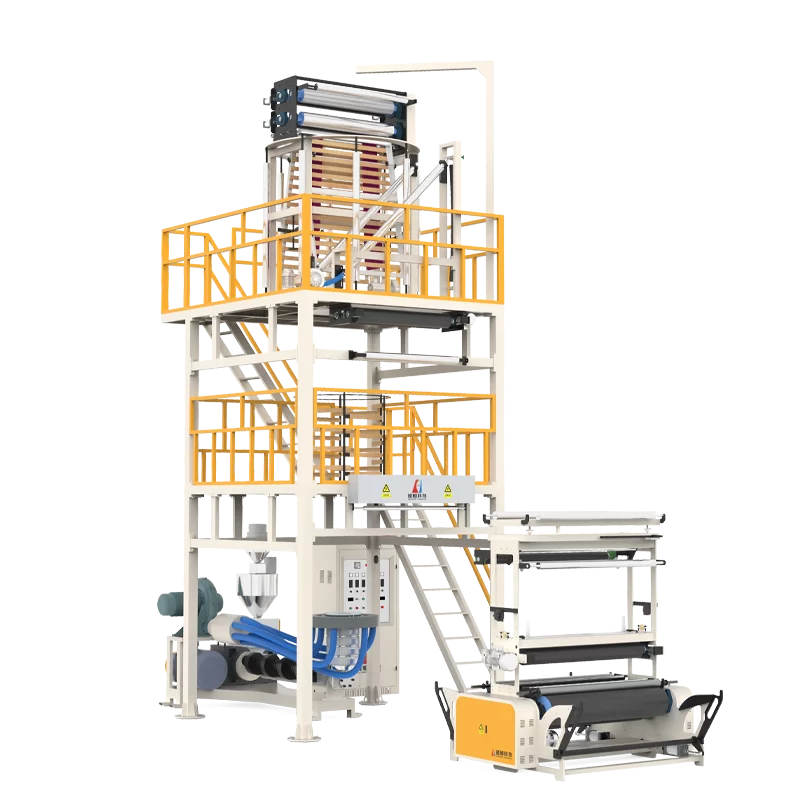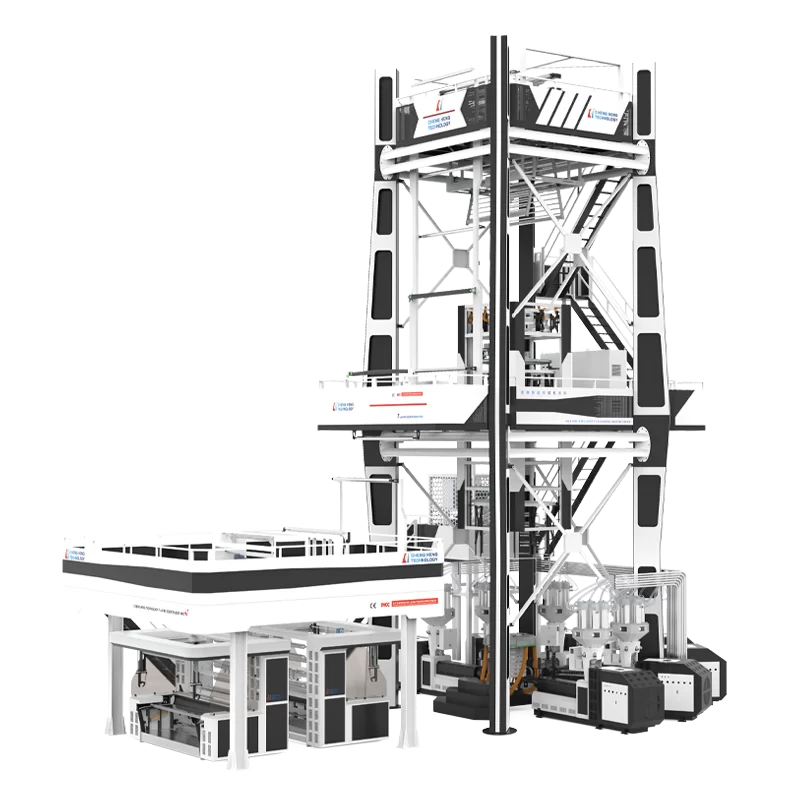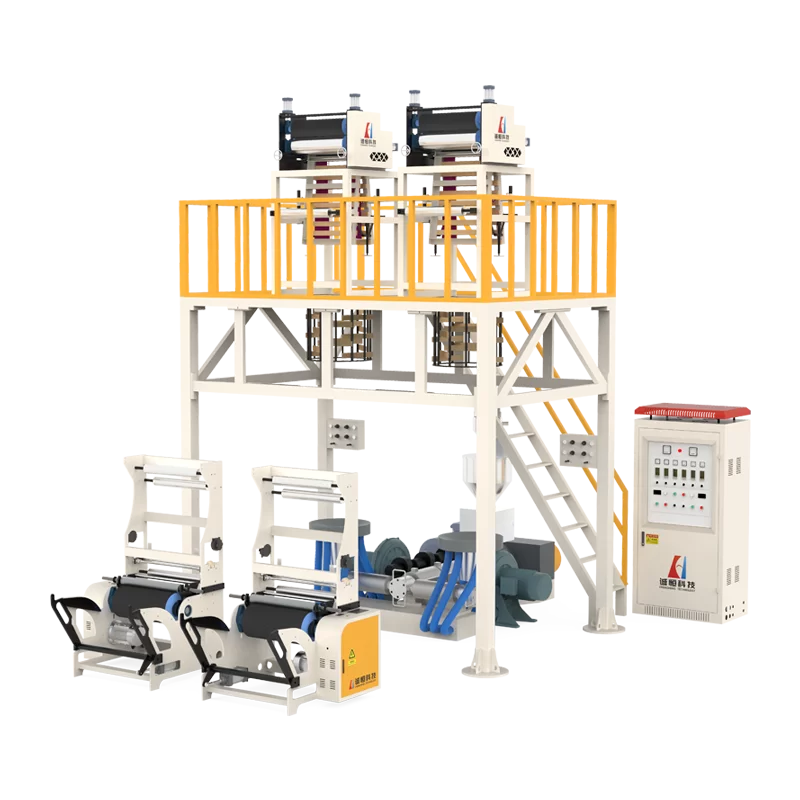
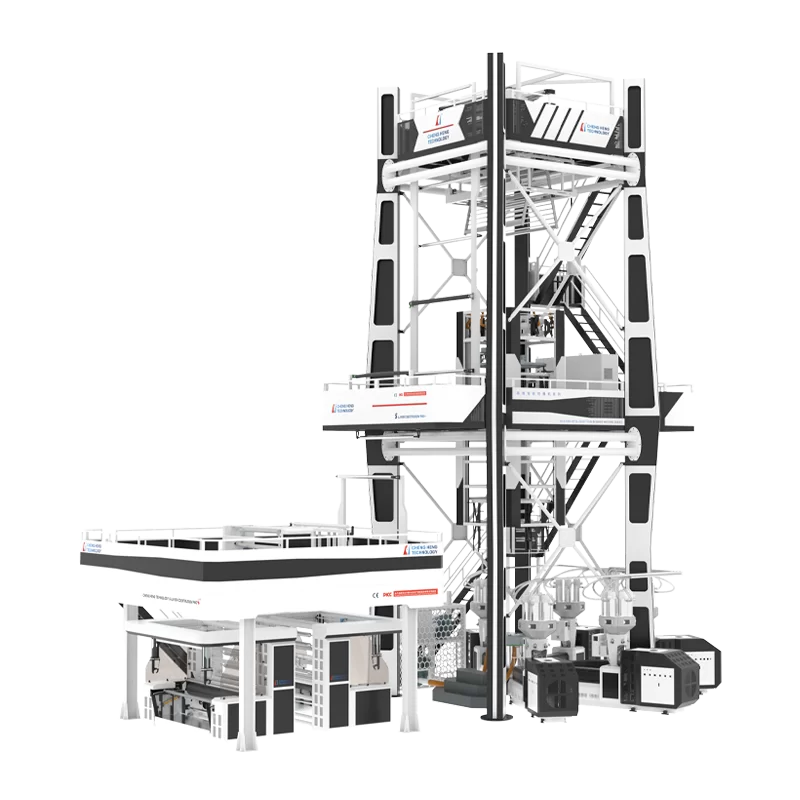
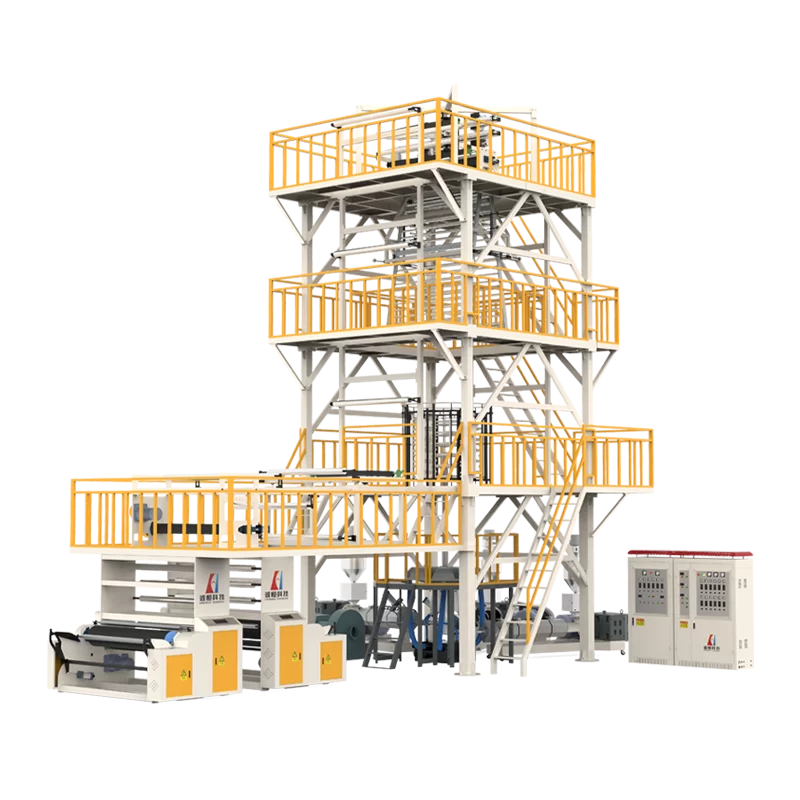
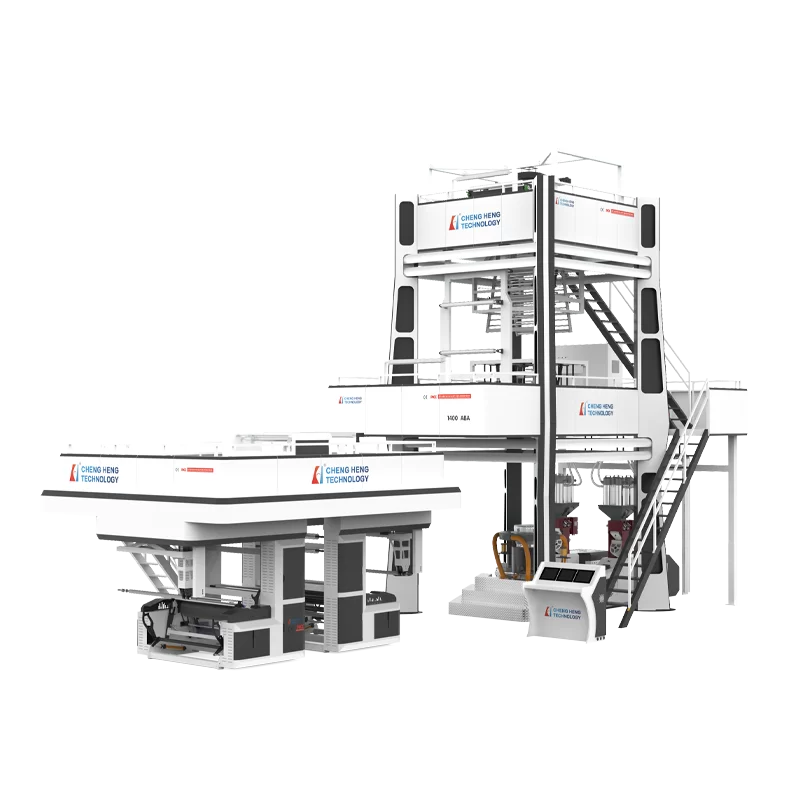
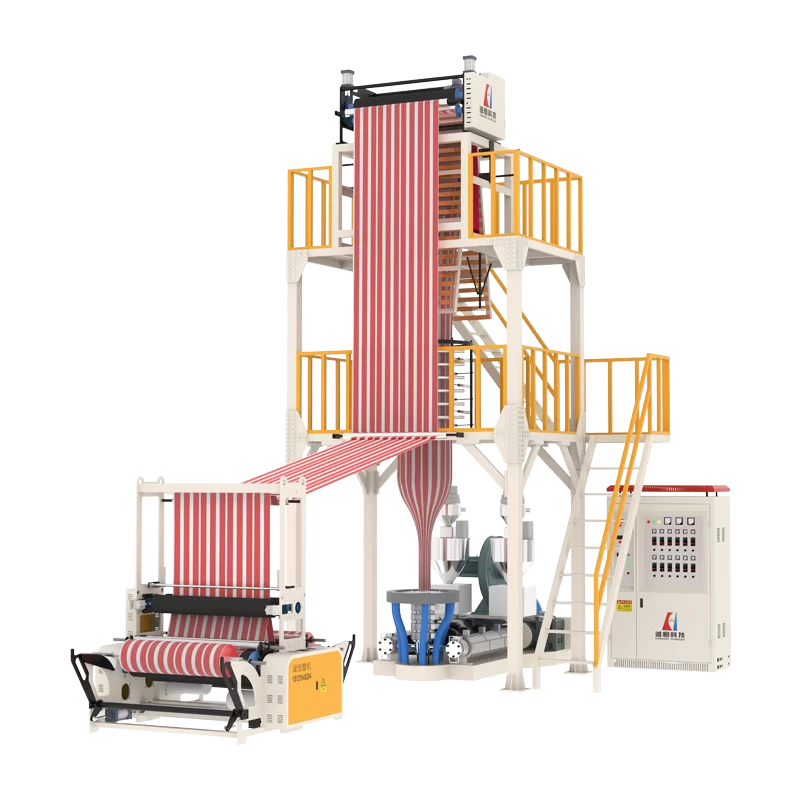
Zambia's manufacturing sector is currently witnessing a surge in demand for flexible packaging, driven by the growth of the agricultural and mining industries. However, many local producers still rely on imported films or outdated film blowing machine units that consume excessive energy and produce inconsistent gauge thickness, limiting their competitiveness in the regional SADC market.
The climatic conditions in Zambia, characterized by distinct wet and dry seasons, pose challenges for raw material storage and machine cooling. Modern blown film line installations now require advanced air-cooling rings and stabilized temperature control systems to ensure that the film bubble remains steady despite external ambient temperature fluctuations.
Furthermore, the shift toward sustainable development in Lusaka and the Copperbelt province is pushing manufacturers to adopt a lown film machine capable of processing biodegradable resins or recycled HDPE. This transition is essential for compliance with emerging environmental regulations aimed at reducing plastic waste across Zambia.